Giovani e senior, le politiche per vincere la sfida del lavoro
C’è chi sta rafforzando la formazione in ingresso dei giovani talenti, affiancati dal personale senior. Chi sta trattenendo profili prossimi alla pensione per non disperdere il patrimonio di conoscenze e...
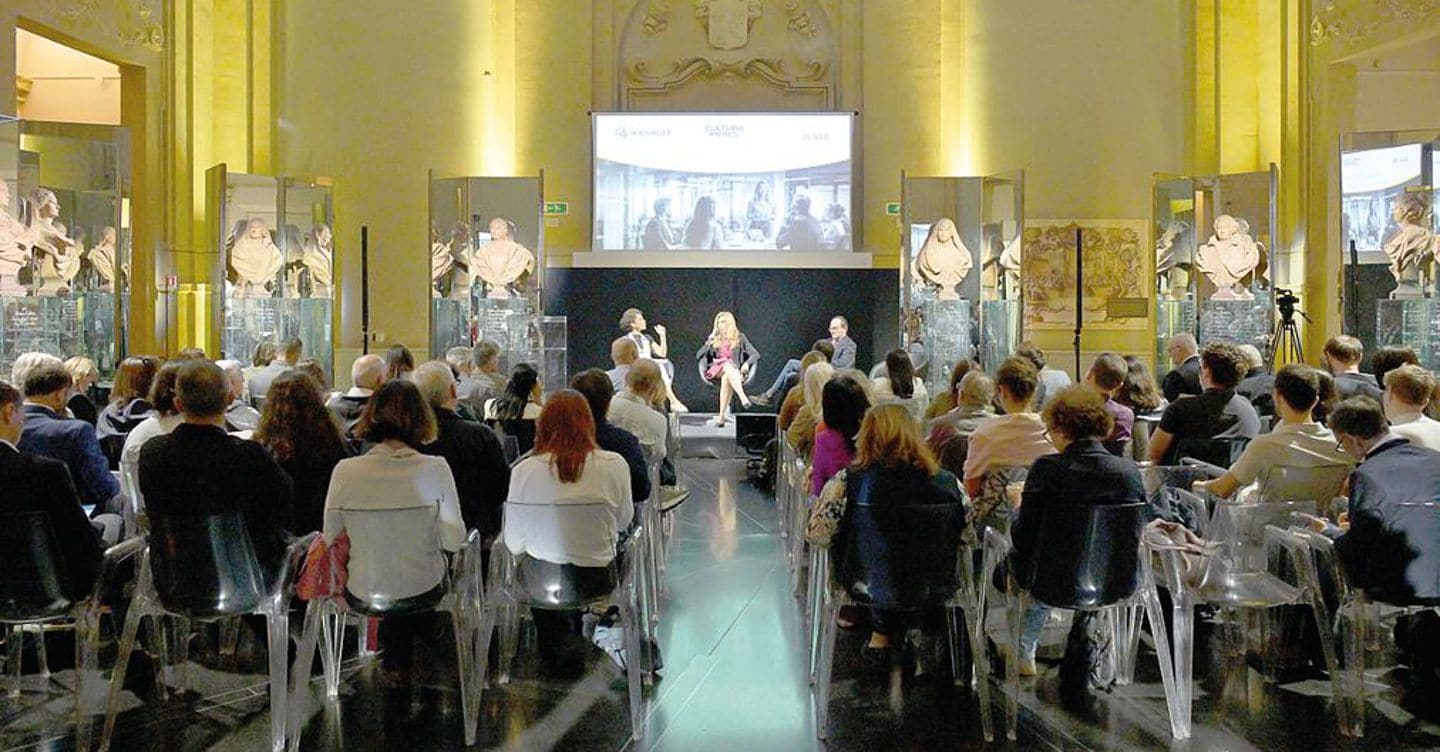
Giovani and senior employees are the focus of new policies aimed at overcoming the challenges of the modern workforce. Companies are increasing training for young talent while retaining experienced staff to preserve their specialized knowledge. Innovative tools are also being developed to help manage professional transitions, ensuring competitiveness and innovation.
The roadshow event in Bologna, organized by 4Manager and the Il Sole 24 Ore Group, highlighted the importance of these changes. Tiziana Ferrari, DG of Confindustria Emilia, emphasized the need to extend professional life and professional and entrepreneurial renewal, dedicating attention to training all levels within the company.
Paola Boromei, COO of Il Sole 24 ORE, stated that generational gaps are closing when skills are shared, and intergenerational teamwork and mentoring bring together the experience of experienced employees with new digital languages. Technology accelerates work, but the judgment is built between people, and plural generational diversity becomes a competitive advantage.
Elena Bonetti, chair of the parliamentary committee on the economic and social effects of the demographic transition, highlighted that having multiple generations in the workforce is not enough; the advantage comes from the experience of one generation becoming a lever for growth and innovation in others. Claudio Lucifora, professor of economic politics at the Catholic University of the Sacred Heart, explained that continuous training, sharing of skills between generations, and overcoming stereotypes about age are crucial to valuing the experience of senior workers and supporting productivity.
Paolo Sestito, head of the Planning, Organization, and Budget Department at the Bank of Italy, noted that early retirement pensions are no longer economically sustainable, and the focus should be on how to value the coexistence of multiple generations in companies through incentives other than payroll and long-term career perspectives.
The use of AI and less rigid team and organizational structures could provide a basis for materializing this coexistence, as suggested by Gaia Giappichelli, leader of the National Commission for Human Resources, Management, and Industrial Relations.
Written by urgent.news from Il Sole 24 Ore's reporting — not their text. Machine-written — may contain errors; check the original before relying on it.