'Swamp-like colors' on the moon: NASA report reveals strange sights from Artemis II mission
Astronauts on NASA's Artemis II mission saw surprising "jaundiced yellow" and "swampy green" colors on the moon during their close lunar flyby, a new report reveals.
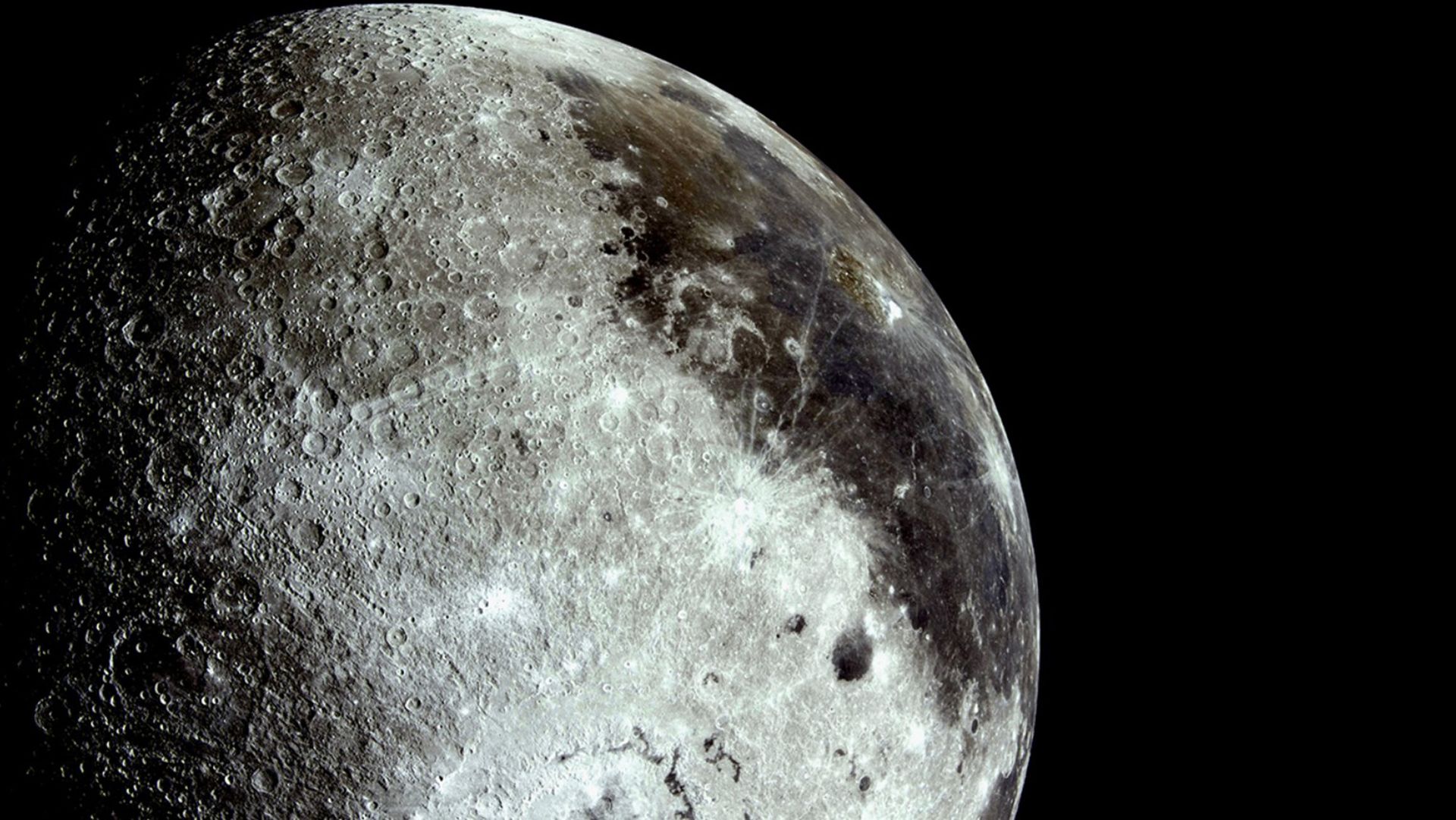
NASA s Artemis II mission crew offered a stunning visual tour of the moon, revealing a vibrant palette of colors that defy expectations. Contrary to the typical white or gray hue most people associate with the lunar surface, the crew observed yellow, brown, green, blue, and tan features scattered across vast volcanic plains and near craters.
The crew s firsthand observations, detailed in NASA s Artemis II Preliminary Lunar Science Report, suggest these hues could be linked to specific geological compositions such as titanium-rich orange and magnesium-rich green glass beads. Among the most striking observations was the Aristarchus Plateau, a broad elevated region on the moon s near side.
The crew described the plateau as a "yellow snow-capped mountain" with bright, sunlight-reflecting craters, likening its appearance to a jaundiced cheek of the Moon. Another region that captured the crew's attention was the Orientale Basin, a large, multiringed impact crater nearly three times the size of Massachusetts. The crew noted a mix of gray, brown, tan, and green colors within the basin, with the largest, outermost ring displaying swamp-like colors.
The crew's unique perspective, gained through extensive training, revealed valuable scientific insights that autonomous cameras or orbiters could not capture. Their observations underscore the irreplaceable role of human observation and cognition in planetary exploration, emphasizing the richness and complexity of the moon's surface features.
Written by urgent.news from Live Science's reporting — not their text. Machine-written — may contain errors; check the original before relying on it.
This story
This is one outlet's version. Read the fullest account.