Archaeologists reveal huge stretch of ancient Lower Aqueduct into Jerusalem
Newly revealed 300-meter span of the Lower Aqueduct to Jerusalem reveals repairs from farmers illegally siphoning water
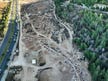
A significant 300-meter segment of the ancient Lower Aqueduct leading to Jerusalem has been discovered following surveys that began in the 1970s. The excavation site is located approximately 5 kilometers south of the Temple Mount, near Kibbutz Ramat Rachel. The Israel Antiquities Authority (IAA) announced the discovery on Sunday.
The aqueduct, which has been in continuous use for over 2,000 years since the Hasmonean period (late second century to first century BCE), was covered by debris and detritus over time. It remained in use until the 20th century, when new technologies supplanted it. The aqueduct's route was determined based on its historical context, its decline in height, and the presence of repair holes created by farmers illegally diverting water.
The Lower Aqueduct is the first of two ancient aqueducts that feed Jerusalem, with its starting point being natural springs in Gush Etzion. From there, it winds through Bethlehem, around the Jerusalem hills, and into the Old City, passing beneath the Abu Tor promenade. The newly revealed 300-meter stretch represents the largest segment of the aqueduct discovered to date.
Despite its antiquity, the aqueduct's engineering remains impressive, as it declined only 40 to 30 meters in height over its entire 26-kilometer route. The discovery sheds light on the aqueduct's maintenance and usage throughout various historical periods, including the Byzantine, Umayyad, and Ottoman eras. However, the precise dating of the aqueduct remains a subject of ongoing academic debate, as its layers of repairs and modifications have obscured a definitive timeline.
Written by urgent.news from Haaretz's reporting — not their text. Machine-written — may contain errors; check the original before relying on it.