How the 2026 Super El Niño and Climate Change Are Related
Here’s what we know about the record-setting El Niño on a record-hot planet, and the most important questions scientists are trying to answer.
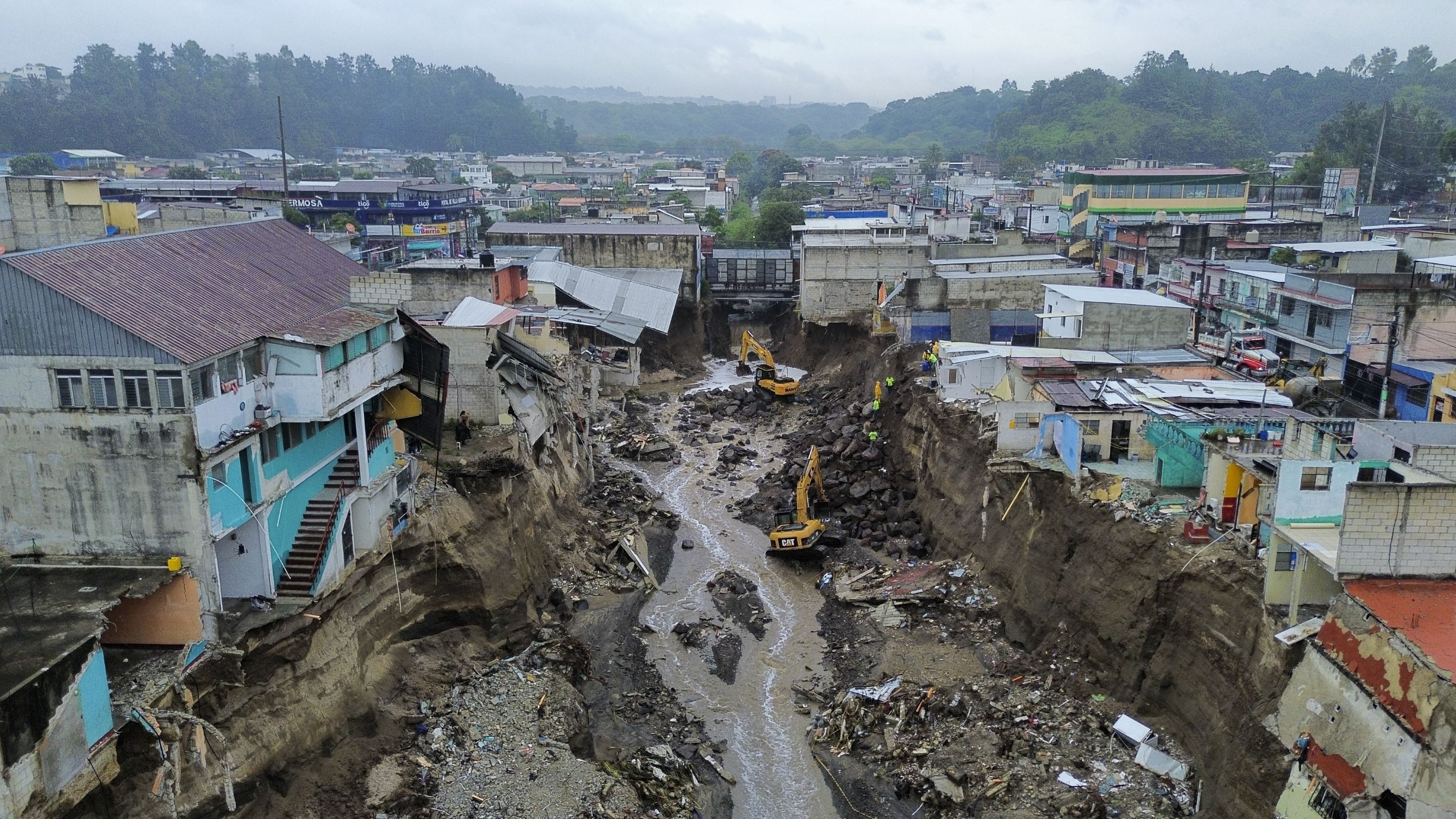
This year’s El Niño, an annual climate phenomenon, has been unusually strong and forecast to reach unprecedented levels during the winter of 2026. While often characterized as a naturally occurring event, scientists are now exploring the potential link between this El Niño and the ongoing climate change driven by human activities, primarily the burning of fossil fuels.
Christopher Callahan, a climate researcher at Indiana University, admits that the relationship between the two processes is still an area of active research, acknowledging that there are more questions than answers at this point. However, he emphasizes that the two phenomena are inextricably linked, and cannot be viewed as separate entities.
The El Niño phenomenon works by influencing atmospheric circulation patterns around the globe, much like a domino effect. As ocean temperatures rise, weather patterns shift, often leading to extreme consequences. The current El Niño is already setting multiple all-time daily heat records, with an unprecedented peak of 3.4 degrees Celsius, which could potentially surpass 3 degrees Celsius.
While climate models suggest that El Niño will likely intensify due to global warming, researchers are still uncertain about the extent of this relationship. However, evidence from paleoclimate records, such as ancient coral data, indicates that the current El Niño is part of a more active period than the last 1,000 years.
As for how El Niño is impacting climate change, it's clear that the two phenomena interact in ways that could lead to unprecedented consequences. For example, El Niño's effects on weather patterns, known as teleconnections, could become even more intense in the context of a warmer climate. This could result in more severe droughts, heavy precipitation, and an increased likelihood of extreme weather events, such as those affecting the Amazon, Indonesia, and the Southwest United States.
The potential impacts of this combined El Niño-climate change scenario are significant, with the possibility of trillions of dollars in damages to global GDP and severe consequences for ecosystems, particularly coral reefs facing mass bleaching events. As such, international organizations like the United Nations are calling for urgent adaptation measures to mitigate the risks and protect vulnerable populations and ecosystems from the combined effects of El Niño and climate change.
Written by urgent.news from Wired's reporting — not their text. Machine-written — may contain errors; check the original before relying on it.
This story
This is one outlet's version. Read the fullest account.