Europe Needs More Rockets. Can Its Launch Industry Keep Up?
ESA is reviewing Europe's rocket launch capacity as satellite demand grows, while funding new launch providers alongside Ariane 6 and Vega-C.
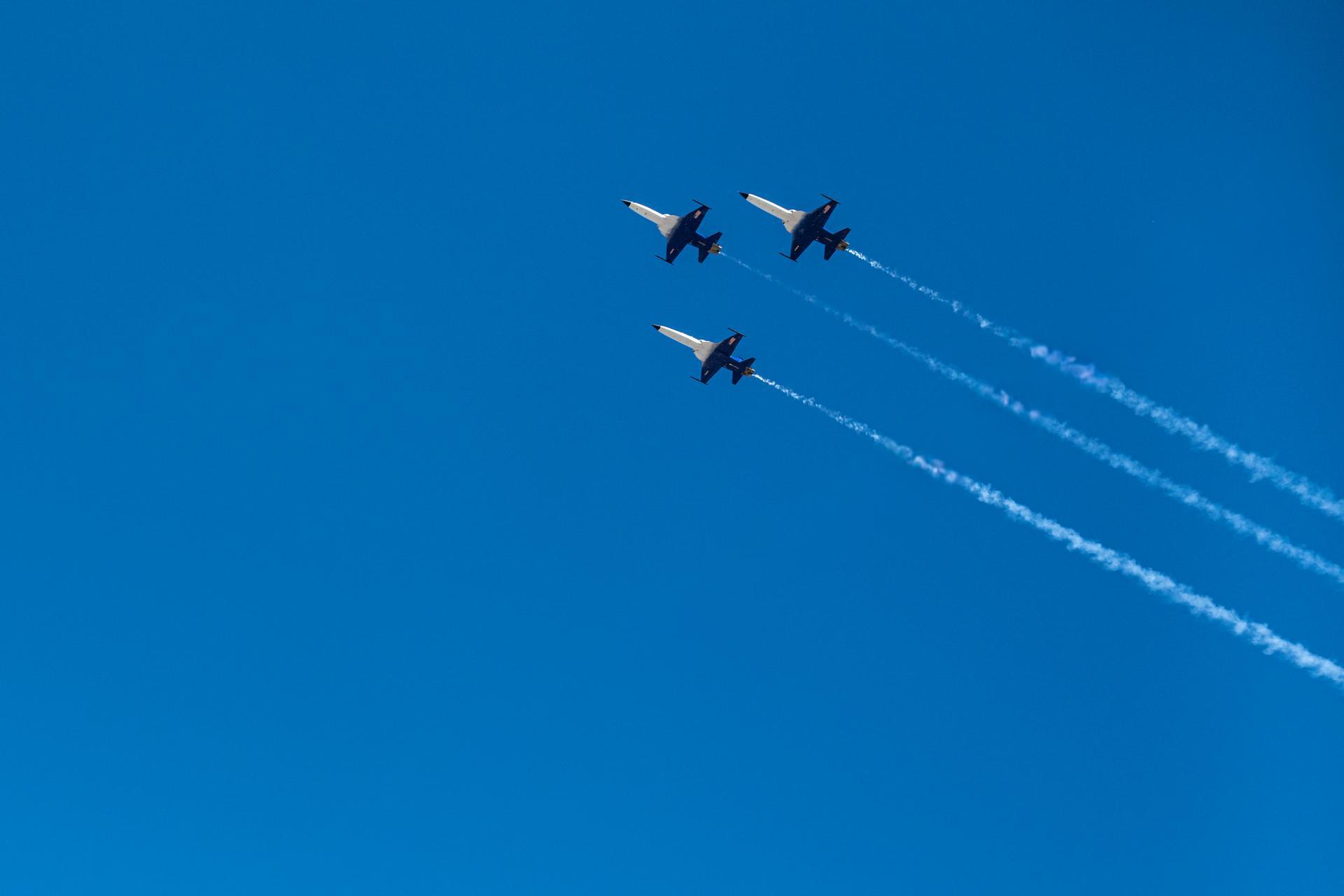
Europe's rocket industry faces growing pressure to increase its launch capacity in order to meet rising satellite launch demand, which could peak as early as 2030. The European Space Agency (ESA) is currently reviewing whether its current rocket capacity, primarily the Ariane 6 and Vega-C rockets, can handle this increased demand. ESA director general Josef Aschbacher has acknowledged that the agency has not yet decided whether to raise its launch rate, stating that a decision will need to be made "pretty soon."
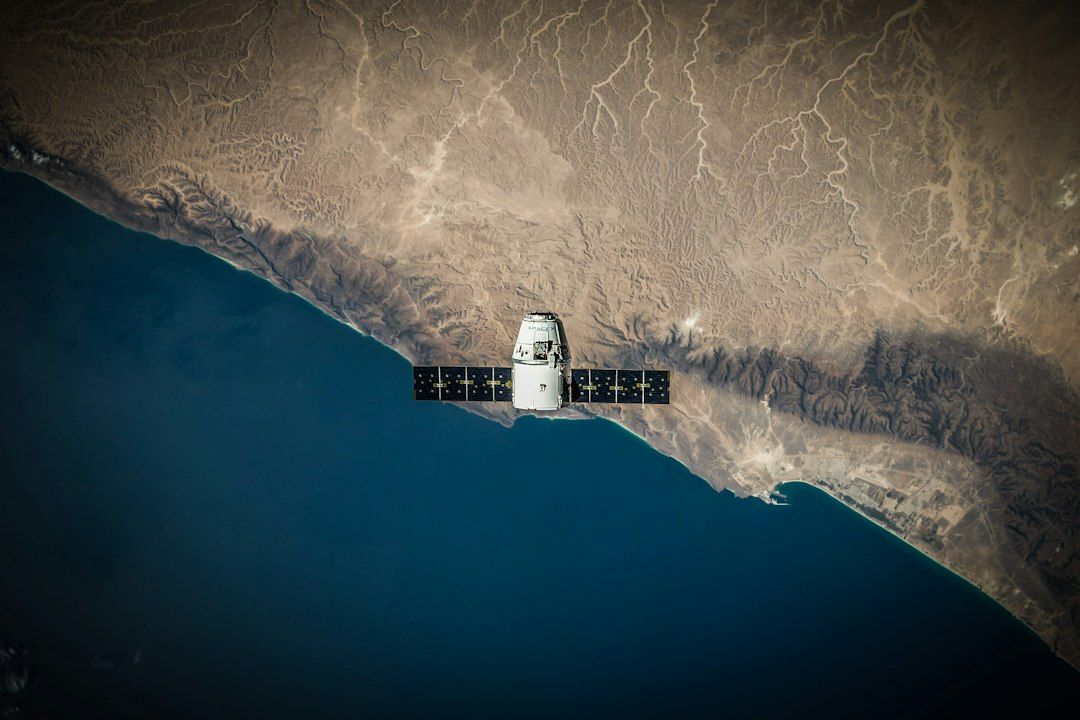
Amazon has added to the pressure on Europe's launch industry by commissioning 18 launches, in addition to Arianespace's projected nine or ten annual Ariane 6 flights from 2027. ESA is also investing in new European rocket companies to expand supply beyond Ariane 6 and Vega-C. Three private rocket companies have received funding under the European Launcher Challenge program: Rocket Factory Augsburg, PLD Space, and Isar Aerospace.
These companies are developing rockets capable of carrying payloads up to 1,000 kilograms to low Earth orbit.
ESA expects satellite launch demand to rise sharply, with the potential for additional commercial missions in the future. However, the final number of required launches remains uncertain. Any expansion of Europe's launch capacity would require decisions on factories, suppliers, infrastructure, and launch operations. Aschbacher emphasized the need to make a decision soon, as the industry faces significant challenges in satisfying all these upcoming launches.
Written by urgent.news from HackerNoon's reporting — not their text. Machine-written — may contain errors; check the original before relying on it.