WHO backs Kenya, DRC and Uganda in Ebola response
The support includes contact tracing, surveillance, screening and other response measures.
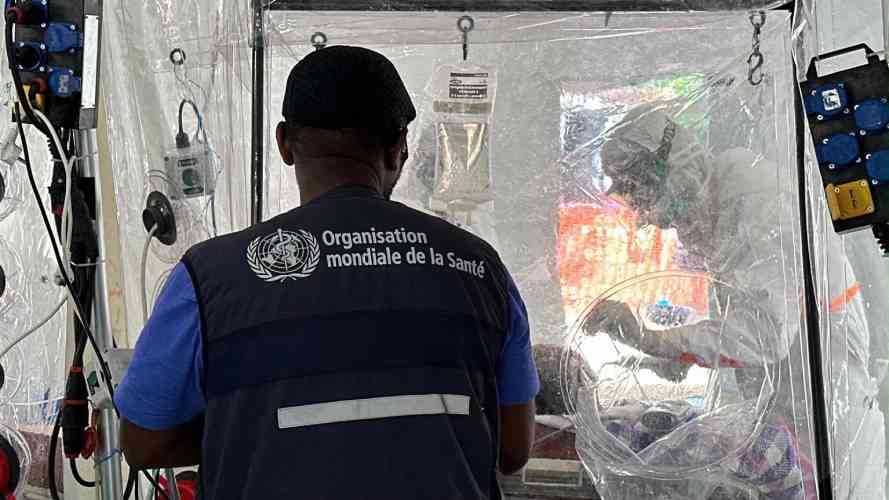
The Kenya Health Cabinet Secretary, Aden Duale, has informed the public that 28 individuals are being traced following contact with the country's first Ebola patient, who has since passed away. Eight of these contacts, including family members and medical staff who treated the deceased, have already been identified and are currently being monitored by health authorities.
Additionally, Duale mentioned that there are further 23 passengers and four crew members who were on the same flight as the deceased individual also under investigation.
According to Duale, who made this announcement on October 6, 2026, the government is taking stringent measures to prevent the virus from spreading further. Plans for the quarantine of those considered at risk have been established, aimed at safeguarding public health. Public Health Director-General, Dr Patrick Amoth, also shared updates on the situation, stating that all suspected individuals will undergo a 21-day quarantine period.
During this time, they will be closely monitored and tested for any signs of the virus. Those who test positive will be transferred to designated Ebola treatment centers for further management. Conversely, individuals who test negative and successfully complete the monitoring period will be released and allowed to return to their normal lives.
Amoth provided further insight into how the first reported Ebola patient managed to bypass the country's screening process despite being ill for about a month. The patient had been receiving treatment at various health facilities in the Democratic Republic of Congo before traveling to Kenya via Uganda. Amoth explained that the patient's previous treatment could have impacted the effectiveness of screening at the airport, as some medications could potentially mask symptoms such as fever, leading to a false negative screening.
Furthermore, Amoth noted that the patient's decision to go directly to the hospital upon arrival in Kenya suggested that he was acutely aware of his health condition.
Written by urgent.news from People Daily Kenya's reporting — not their text. Machine-written — may contain errors; check the original before relying on it.
This story
This is one outlet's version. Read the fullest account.
- What is Bundibugyo Ebola? The strain behind Kenya’s first case capitalfm.africa
- WHO advises against travel curbs after Kenya Ebola case kbc.co.ke
- Kenya records 1st Ebola death after man travels between several countries abcnews.com
- Kenya reports first-ever Ebola death citizen.co.za
- Kenya reports first-ever Ebola death medicalxpress.com
- 28 people are being traced after contact with Kenya’s deceased Ebola patient peopledaily.digital
- Kenya reports first-ever Ebola death dw.com
- Kenya reports first-ever Ebola death gulfnews.com