Russia denies imposing anti-plague measures after death of worker
Irkutsk Regional Governor Igor Kobzev said an inspection by health watchdog Rospotrebnadzor found that the woman died of pneumonia, as US Secretary of State Marco Rubio urged Russia to provide more information.
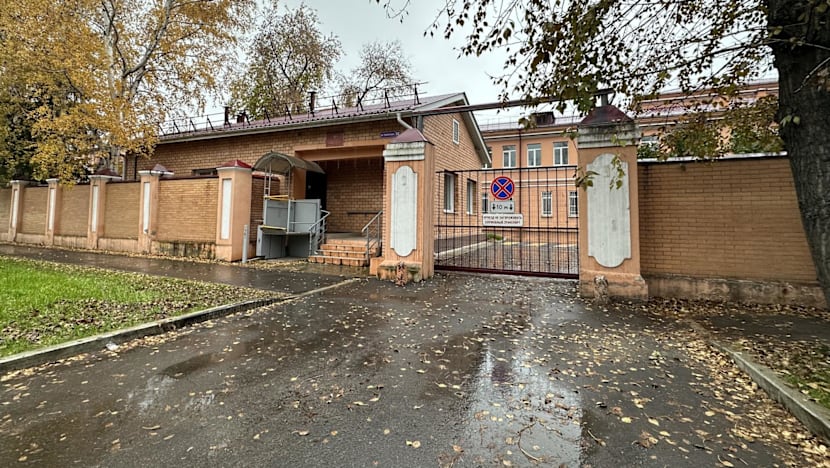
Russian authorities have denied accusations that they imposed anti-plague measures following the death of a laboratory technician in Irkutsk, Siberia. The woman, identified as 28-year-old Darya Shipilova, reportedly died from pneumonic plague, but Russian officials say postmortem tests have not confirmed the disease. Health watchdog Rospotrebnadzor conducted an inspection and found that no microorganisms linked to her professional work were present in her biological samples.
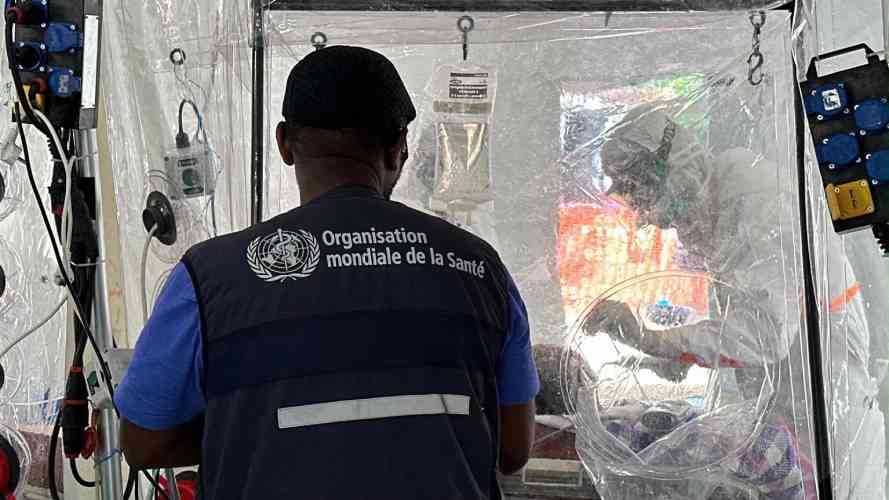
Up to 200 people who may have had contact with her were placed under quarantine, but none of them required medical attention. The World Health Organization stated that no case of pneumonic plague has been recorded in Irkutsk, and the risk to the city and Russia as a whole is moderate to low. US Secretary of State Marco Rubio urged Russia to provide more information about the situation, calling for transparency.
Russian officials emphasized that the laboratory death remains under investigation and that no dangerous infectious disease pathogens were found in any contacts.
Written by urgent.news from Channel News Asia's reporting — not their text. Machine-written — may contain errors; check the original before relying on it.