What is Bundibugyo Ebola? The strain behind Kenya’s first case
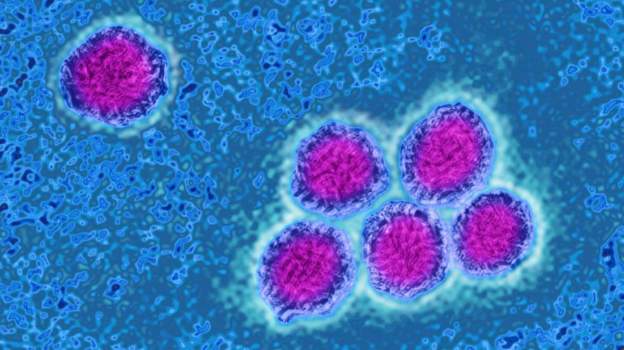
Kenya’s confirmed case involves Bundibugyo virus, a species first identified during an outbreak in Uganda’s Bundibugyo District in 2007.

Nairobi, Kenya — The Ebola strain detected in Kenya is a distinct species called Bundibugyo virus, not the same one responsible for the 2014–2016 West Africa epidemic. The Bundibugyo virus, initially identified in Uganda in 2007, belongs to a group of four Orthoebolavirus species known to cause human disease: Ebola virus, Bundibugyo virus, Sudan virus, and Taï Forest virus.
Unlike the respiratory viruses like COVID-19, Bundibugyo virus spreads through direct contact with an infected person's bodily fluids or contaminated materials. It primarily spreads in healthcare settings and during unsafe burials. Symptoms of Bundibugyo virus disease, such as fever, fatigue, muscle pain, and bleeding, can be mistaken for less severe illnesses, making early identification crucial.
The incubation period ranges from two to twenty-one days, during which an infected individual is not contagious. Treatment for Bundibugyo virus disease focuses on supportive care, such as rehydration and managing symptoms, as there is no specific vaccine or approved treatment available. The current outbreak in Kenya underscores the need for rapid detection, isolation, contact tracing, and infection prevention to control the spread of this virus.
Written by urgent.news from Capital FM Kenya's reporting — not their text. Machine-written — may contain errors; check the original before relying on it.
Also reported by 5 other outlets
- Kenya reports first-ever Ebola death citizen.co.za
- Kenya reports first-ever Ebola death medicalxpress.com
- 28 people are being traced after contact with Kenya’s deceased Ebola patient peopledaily.digital
- Kenya reports first-ever Ebola death dw.com
- Kenya reports first-ever Ebola death gulfnews.com