New crocodile species discovered in rocks used to build the Great Sphinx
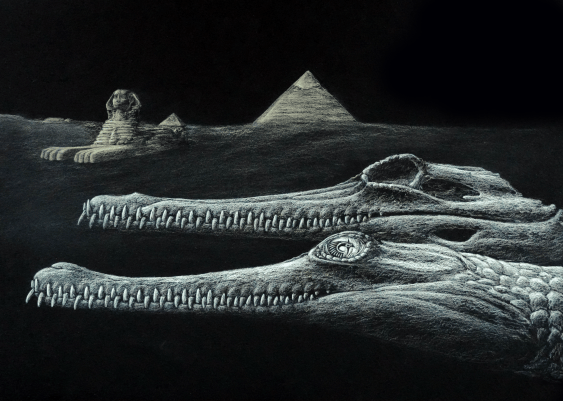
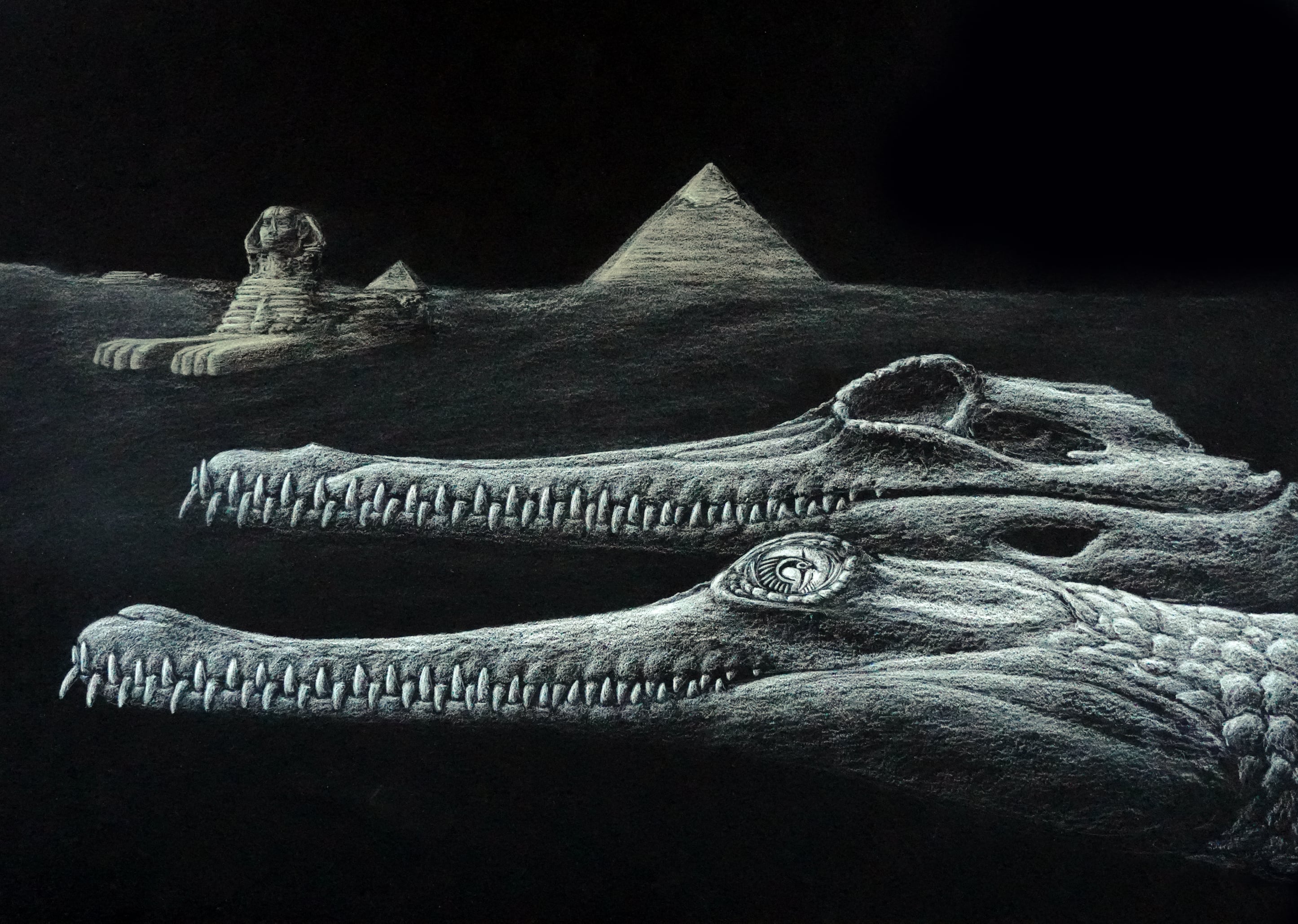
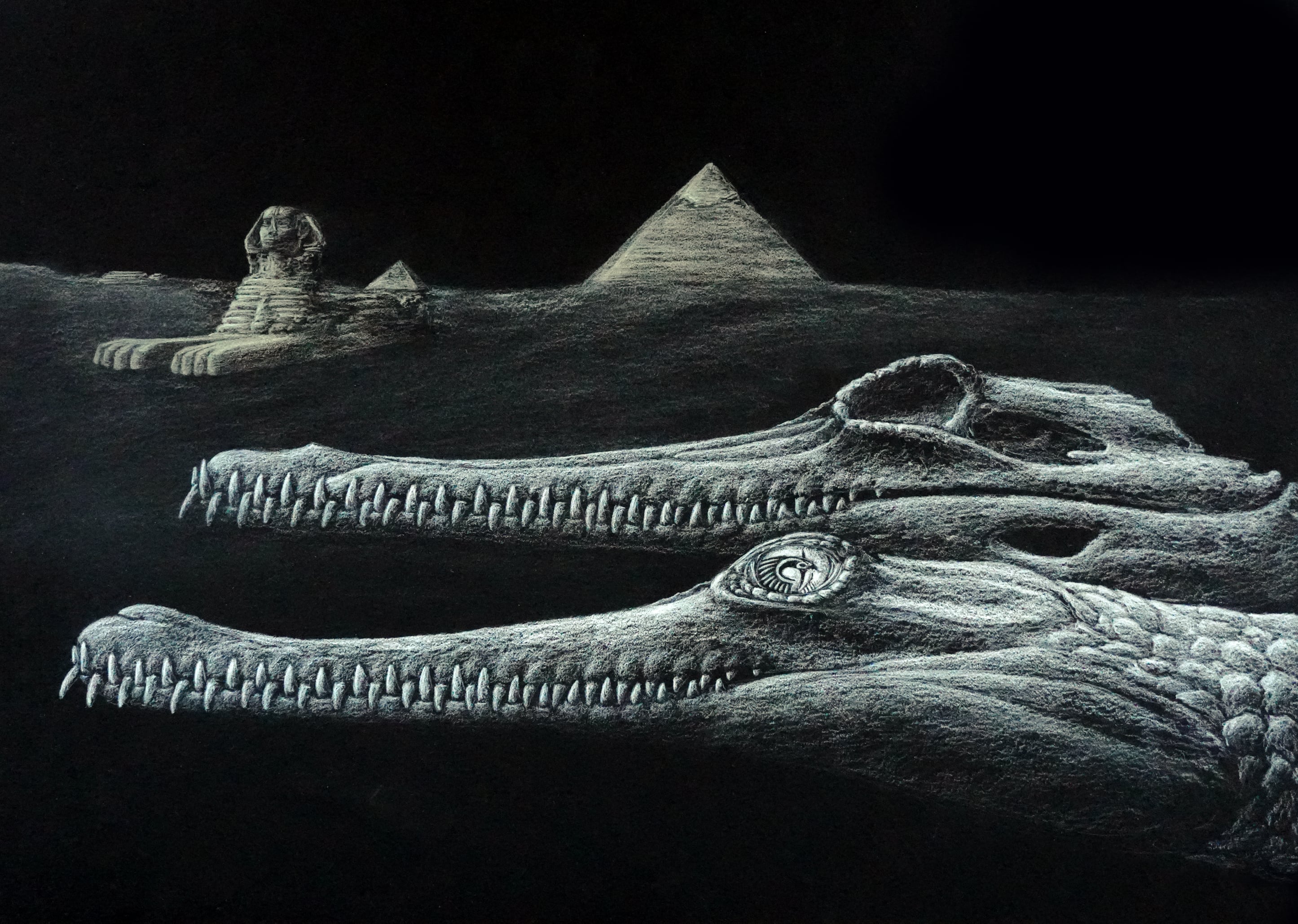
A new species of extinct crocodile from Egypt has been discovered, sharing more than just its home with the Great Sphinx. Herugavialis cairensis was found in the very same rocks used to build the iconic monument. And, just as the Sphinx is famously missing the tip of its nose, the fossil crocodile is also missing the tip of its snout.

Scientists have recently determined the identity of an ancient Egyptian crocodile species based on a 45-million-year-old fossil skull, which bears a striking resemblance to the missing nose of the Great Sphinx. The fossil was discovered in the Mokattam Formation, the same limestone bedrock where the iconic monument was carved. The researchers, hailing from Egypt, the UK, Sweden, and Germany, have named this newfound creature Herugavialis cairensis.
First identified as Tomistoma cairense in 1927, the species was previously classified under the same genus as the living false gharial. However, a closer examination of the skull's structure and evolutionary relationships revealed significant differences, leading to the designation of a new genus. These distinct traits include elevated, protruding eye sockets, which inspired the researchers to name the species after the Egyptian god Heru, in honor of the Sphinx's missing nose.
The ancient crocodile inhabited the region approximately 45 million years ago, during a time when much of the area was submerged under shallow seas. Herugavialis shared the landscape with two other long-snouted crocodile species. Like many of its relatives, the animal belonged to a group now represented only by the Indian gharial and false gharial. Fossil evidence indicates that these crocodiles once had a much broader distribution, with over 40 recognized species.
The researchers propose that as the climate cooled and sea levels fell, suitable habitats around the Mediterranean became scarce. However, subsequent warming events may have allowed the crocodiles' diversity to rebound. Further fossil discoveries could shed light on how these ancient crocodiles spread across the Mediterranean and the reasons behind their eventual disappearance from the region.
Written by urgent.news from Euronews's reporting — not their text. Machine-written — may contain errors; check the original before relying on it.
This story
This is one outlet's version. Read the fullest account.
- Great Sphinx rocks reveal new species of crocodile thenationalnews.com
- New crocodile species found fossilized in stone used to build Egypt’s Great Sphinx news.mongabay.com
- Scientists identify ancient Egyptian crocodile whose skull is missing its nose like the Sphinx euronews.com
- From the Great Sphinx’s Raw Materials, a New Crocodile Species Surfaces nautil.us
- An extinct crocodilian was found among rocks that built the Great Sphinx sciencenews.org
- This Newly Identified Species of Extinct Crocodile is Missing the Tip of Its Nose, Just Like the Great Sphinx discovermagazine.com