Great Sphinx rocks reveal new species of crocodile
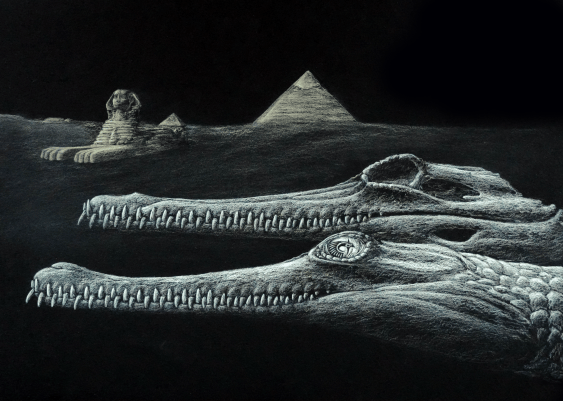
Fossils recovered a century ago in the rocks that make up the 45-million-year-old Mokattam Formation in Egypt have revealed a new species of crocodile. The rocks, used to build the Great Sphinx , contained the skull of a crocodile, missing only the tip of its snout. It has been named Herugavialis cairensis. “Given this coincidence with the famously missing nose of the Great Sphinx, we decided to…
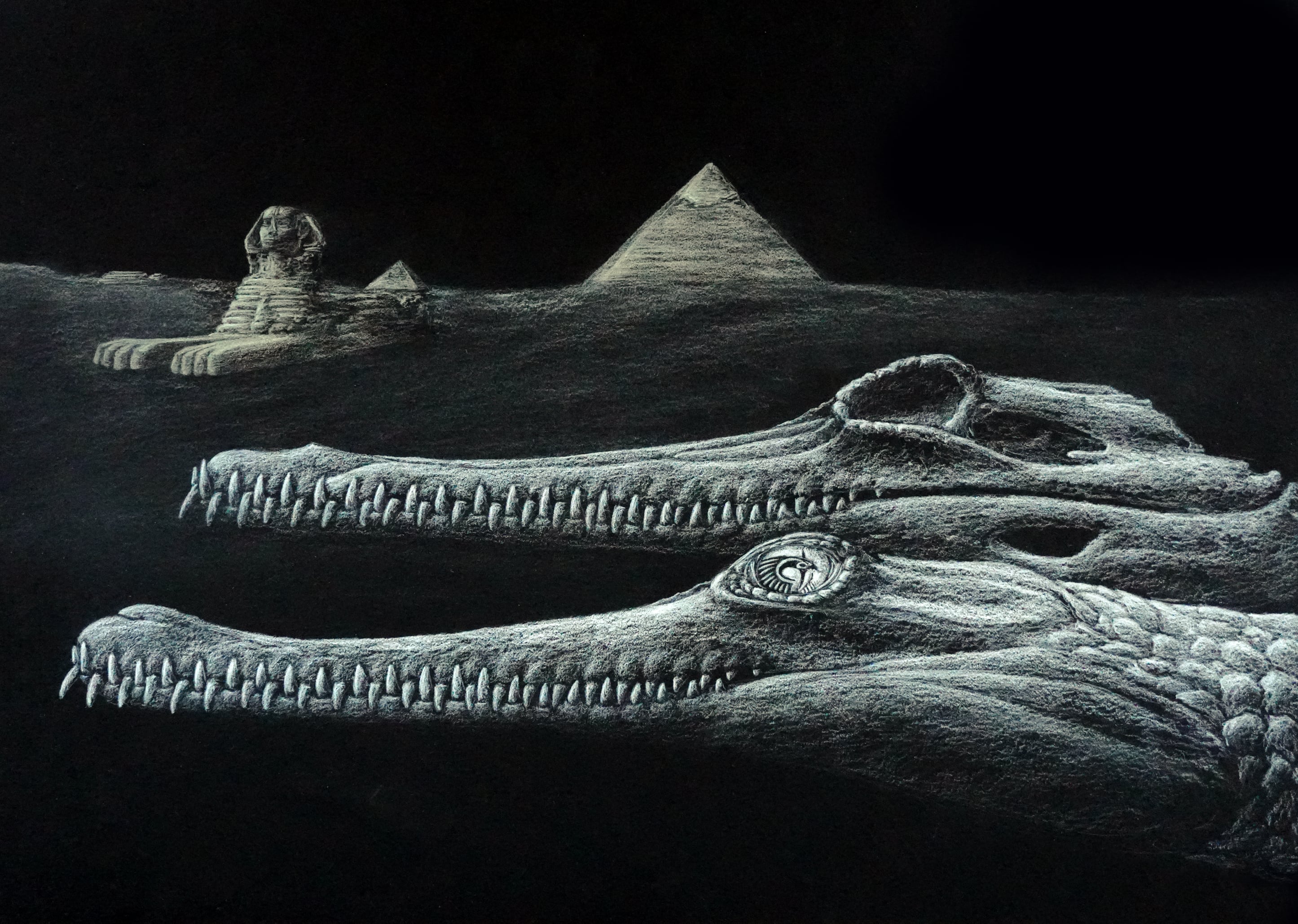
A century-old fossil discovered in the rocks used to construct the Great Sphinx in Egypt has revealed a new species of crocodile. The skull, missing only the tip of its snout, has been named Herugavialis cairensis, inspired by the Egyptian god Heru and the Sphinx's missing nose. Professor Philip Mannion of University College London, who co-led the study, explained the decision behind the name.
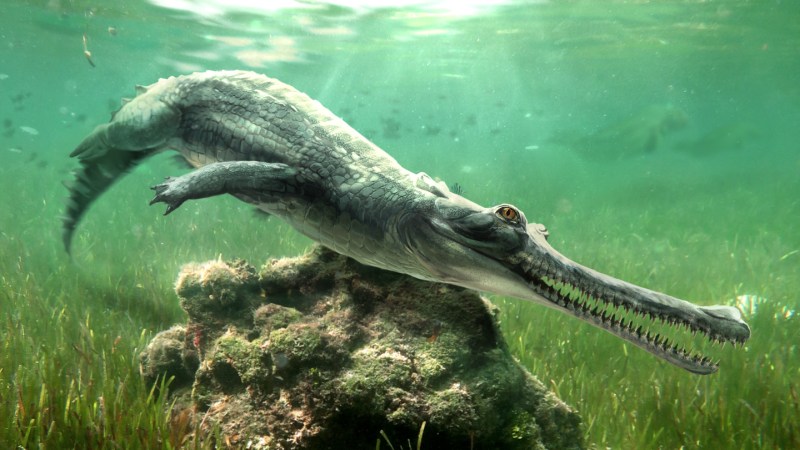
Initially, the fossil was believed to belong to the Tomistoma schlegelii species of freshwater crocodiles, but recent advancements in paleontology have led to its reclassification. Utilizing a CT scan, an international team of researchers identified several differences between the fossil and Tomistoma, placing the new species within the gavial group of crocodiles.
Gavials are now found only in the Indian subcontinent and South-East Asia, but their fossil record demonstrates a near-global distribution spanning over 100 million years. In Egypt during the Mokattam Formation's 45-million-year existence, at least three gavial species coexisted with the two other known gavial species already present in the region.
Dr. Paul Burke of the Swedish Museum of Natural History in Stockholm and the study's lead author noted that the Mediterranean region hosted a diverse array of crocodiles, including gavials, for millions of years.
However, this diversity fluctuated over time, corresponding to shifts in global temperature and sea levels, before the disappearance of all crocodiles in the region due to the Mediterranean's drying approximately six million years ago. The Great Sphinx, with its human-headed head and lion body, was sculpted from Mokattam limestone approximately 5,000 years ago and stands 20 meters tall on the west bank of the Nile in Giza.
Written by urgent.news from The National Business's reporting — not their text. Machine-written — may contain errors; check the original before relying on it.
This story
This is one outlet's version. Read the fullest account.
- This Newly Identified Species of Extinct Crocodile is Missing the Tip of Its Nose, Just Like the Great Sphinx discovermagazine.com
- Great Sphinx rocks reveal new species of crocodile thenationalnews.com
- New crocodile species found fossilized in stone used to build Egypt’s Great Sphinx news.mongabay.com
- New crocodile species discovered in rocks used to build the Great Sphinx phys.org
- From the Great Sphinx’s Raw Materials, a New Crocodile Species Surfaces nautil.us
- An extinct crocodilian was found among rocks that built the Great Sphinx sciencenews.org