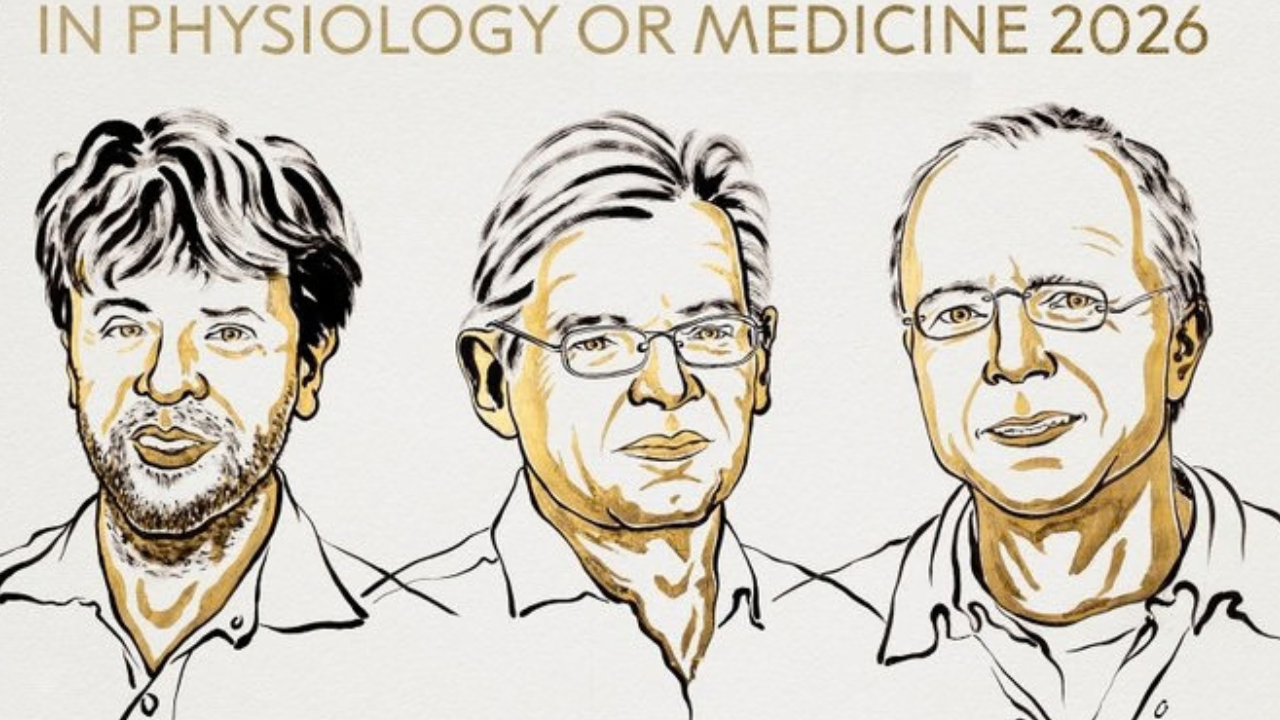
Nobel prize in medicine 2026 awarded for research into mysteries of brain
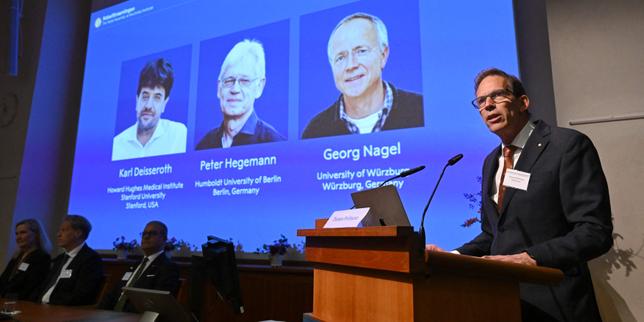
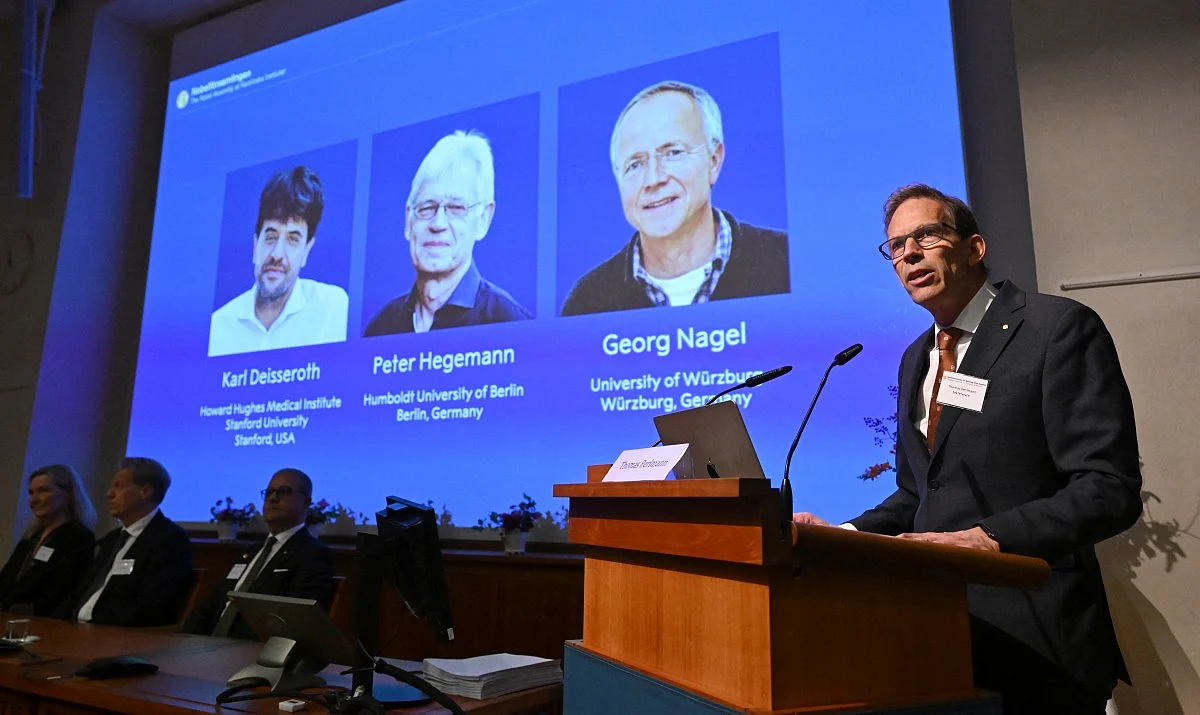
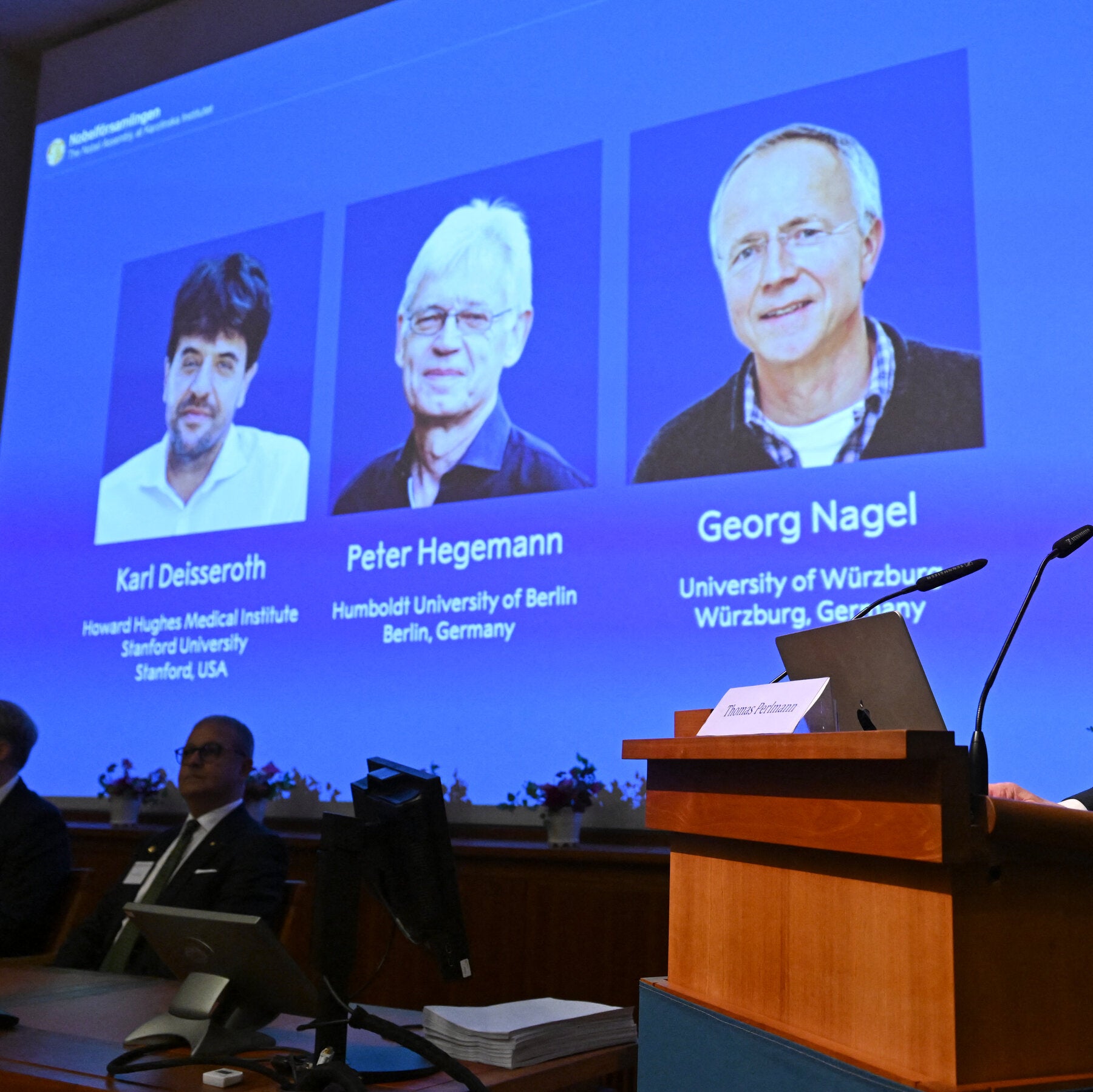
Three scientists to share 12m Swedish kronor prize for their work on ‘light-gated ion channels and optogenetics’ The Nobel prize in physiology or medicine 2026 has been awarded to three scientists for their work on investigating the mysteries of the brain. Karl Deisseroth of both Howard Hughes Medical Institute and Stanford University, Peter Hegemann of the Humboldt University of Berlin, and…
The 2026 Nobel Prize in Physiology or Medicine has been awarded to three scientists who made groundbreaking discoveries in the field of optogenetics. Karl Deisseroth, Georg Nagel, and Peter Hegemann were recognized for their work on using light and genetics to control individual cells. Their discovery of rhodopsin and optogenetics has opened up new possibilities for understanding and treating various medical conditions.
Founded in 1901, the Nobel Prize in Physiology or Medicine is the oldest field-specific Nobel Prize, having been awarded 116 times to 232 winners for their contributions to medicine and biological sciences. Previous laureates have been honored for a wide range of groundbreaking research, from the discovery of insulin and penicillin to early vaccines and treatments for diseases such as malaria and cervical cancer.
In more recent years, the prize has also been awarded for the development of the mRNA vaccine for COVID-19, the discovery of microRNA, and advancements in peripheral immune tolerance.
Optogenetics, the technique that Deisseroth, Nagel, and Hegemann developed, has revolutionized the way scientists study the brain and other biological systems. By using light to selectively activate or inhibit specific cells, researchers can gain a deeper understanding of how these cells function and interact within complex networks. This technology has the potential to lead to new treatments for a variety of neurological disorders, as well as other medical conditions.
The Nobel Prize in Physiology or Medicine serves as a testament to the dedication and ingenuity of these three scientists, whose work has paved the way for future discoveries and innovations in the field of medicine. As Scientific American editor-in-chief Jeanna Bryner notes, "great science journalism requires human expertise, time, effort, and creativity."
Subscribing to the publication supports the work of scientists, journalists, editors, and fact-checkers who are committed to delivering accurate, compelling, and thought-provoking science stories.
Written by urgent.news from Scientific American's reporting — not their text. Machine-written — may contain errors; check the original before relying on it.
This story
This is one outlet's version. Read the fullest account.
- Nobel prize for medicine goes to trio who developed optogenetics newscientist.com
- Particle physicist Hideki Yukawa: Japan’s first Nobel laureate physicsworld.com
- 2026 Nobel Prize in Physiology or Medicine awarded to Karl Deisseroth, Georg Nagel and Peter Hegemann for work on optogenetics scientificamerican.com
- What it’s like to wait for the call from the Nobel Prize committee statnews.com
- Nobel Prize in medicine awarded to trio for optogenetics work lemonde.fr
- Nobel Prize in Medicine awarded to scientists who pioneered work in optogenetics cbc.ca
- Can you name the women who have won a science Nobel prize? nature.com
- Could the International Space Station win a Nobel Peace Prize? Here's what to know pbs.org