Modern forensic science uncovers human sacrifice in ancient Egypt
Almost four in 10 royal household members buried in an ancient Egyptian king’s tomb were probably killed by a deliberate blow to the head, according to a study of skulls excavated from the site a century ago. English Egyptologist Flinders Petrie, who has been referred to as the “father of Egyptian archaeology”, excavated graves at Abydos in Egypt in the 1920s. Due to the large number of burials…
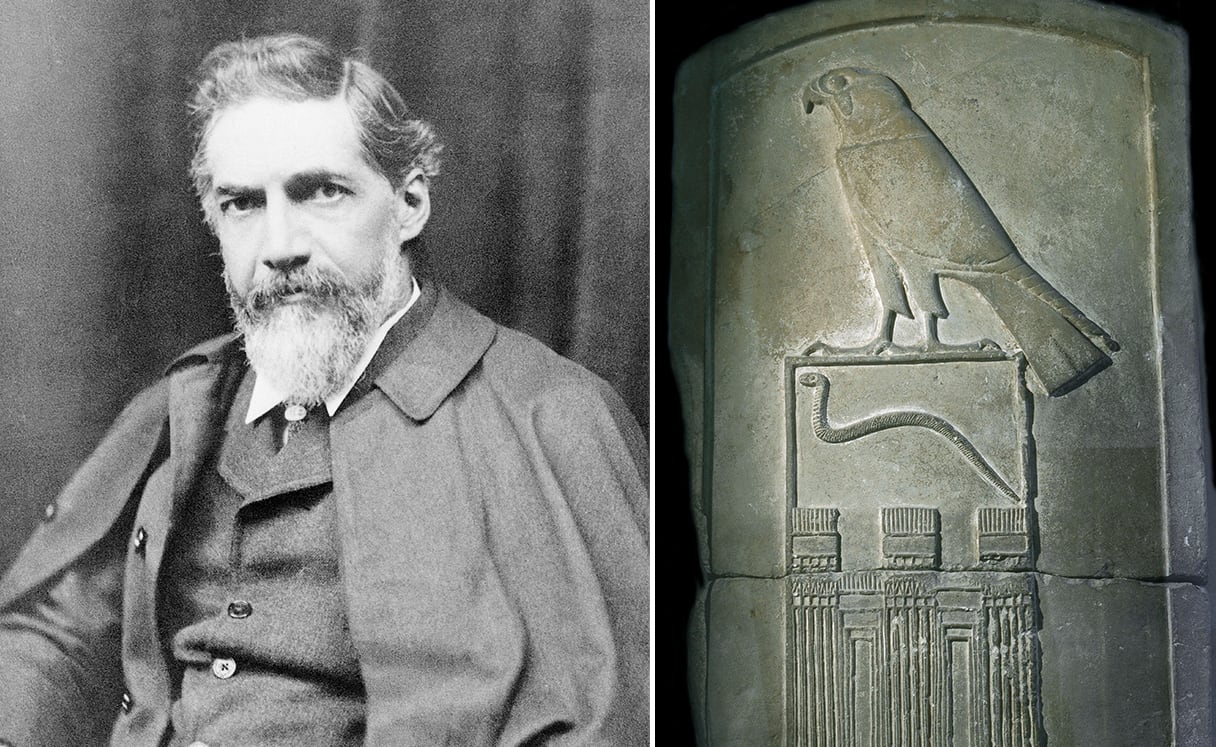
A century-old study of burial remains at an ancient Egyptian site suggests that nearly four out of every ten individuals interred in a royal king's tomb likely met their demise through deliberate violence, likely inflicted by a head injury. English Egyptologist Flinders Petrie, recognized as the "father of Egyptian archaeology," conducted excavations at Abydos in the 1920s.
The sheer density of burials led him to suspect that a significant number of those buried were royal household members sacrificed following the deaths of kings, yet he lacked concrete evidence to substantiate this theory.
Recent analysis of the 46 skulls, retrieved from the Duckworth Collection at Cambridge University and re-examined through modern forensic techniques, has provided compelling evidence to support Petrie's suspicions. Dr. Roselyn Campbell of Purdue University identified 18 skulls displaying indications of severe cranial trauma, featuring linear fractures which are typically associated with fatal injuries that lead to rapid unconsciousness, internal bleeding, and death.
Some of these skulls also exhibited evidence of sharp-force trauma, such as a notable chopping injury to one individual's eye.
Petrie meticulously documented his findings and reburied most of the remains, while keeping the skulls, some of which were sent to the UK. Dr. Campbell's findings, reported in Frontiers in Environmental Archaeology and set to be detailed in her forthcoming book on State-sanctioned Violence and Human Sacrifice in Early Dynastic Egypt, highlight the complexity and brutality of the rituals surrounding the burial practices of this ancient civilization.
Despite the advancements in forensic science, the exact circumstances surrounding these sacrifices remain unclear. Egyptian kings, often portrayed as formidable warriors, did not typically wield weapons like maces against their subjects during such ceremonies. Linear fractures, which constitute the hallmark of these violent deaths, are usually caused by blunt force trauma or a fall, both of which would likely have resulted in additional skeletal damage that was not documented in Petrie's records.
Dr. Campbell's investigation, focusing on the retainers, officials, and household staff, aims to shed light on the roles and perceived roles of these individuals within the royal court. While these individuals were buried alongside royalty, they are often overlooked in historical narratives. Retainer sacrifice, a practice observed in various cultures, was likely a means of ensuring the continued service of these individuals in the afterlife or a demonstration of the ruler's power.
Some may have willingly sacrificed themselves for eternal life or honor, while others were likely chosen or compelled to meet their fate.
Written by urgent.news from The National Business's reporting — not their text. Machine-written — may contain errors; check the original before relying on it.
This story
This is one outlet's version. Read the fullest account.