Five things to know about the Nobel Prize
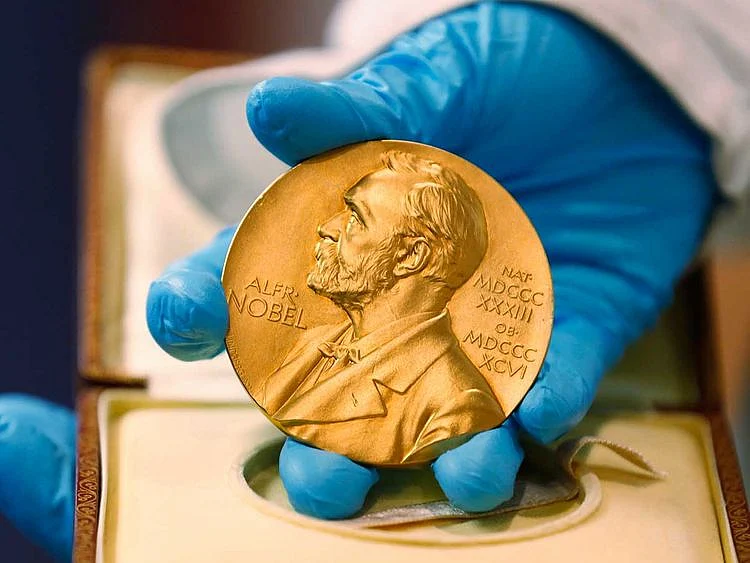
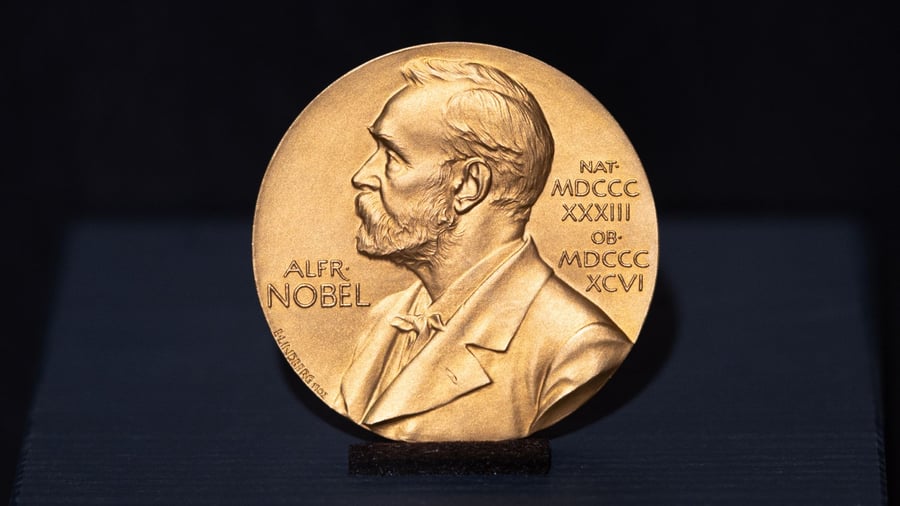
Since 1901, the Nobel Prizes have been bestowed upon individuals and groups for their groundbreaking contributions to humanity, as dictated by the will of their founder, inventor Alfred Nobel. The 2026 winners will be announced between October 5 and 12, with the Nobel Prize in Medicine to be announced on Monday from 11:30 am (0930 GMT).
Five key facts about the Nobel Prizes and their founder:
1. Since the inception of the Nobel Prizes in 1901, five Peace Prize laureates have been unable to attend the ceremony in Oslo due to various reasons. For instance, German pacifist Carl von Ossietzky was detained in a Nazi concentration camp, while Aung San Suu Kyi, Myanmar's opposition leader, was under house arrest when she won the prize in 1991.
2. Several Nobel Prize winners have been unable to attend the ceremony due to imprisonment. In 2010, Chinese dissident Liu Xiaobo was in jail when the prize was awarded, while Iranian activist Narges Mohammadi was held in Iran's Evin prison when the prize was presented in 2023. Iraqi activist Nadia Murad, who received the Nobel Peace Prize in 2018, was also imprisoned at the time of the award.
3. Young winners have been awarded the Nobel Prize. In 2014, Pakistani human rights activist Malala Yousafzai became the youngest laureate at the age of 17. Australian Lawrence Bragg received the Nobel Prize in Physics jointly with his father when he was just 25 in 1915 for their work conducted at the age of 21. John Goodenough, an American, became the oldest Nobel laureate at 97 when he won the Prize in Chemistry in 2019 for his work on lithium-ion batteries.
4. Posthumous awards have occurred in the past. Prior to 1974, the Nobel Foundation's statutes prohibited posthumous awards. However, the foundation has awarded prizes to individuals who passed away before the announcement or ceremony. Notable examples include Dag Hammarskjold, the Swedish secretary-general of the United Nations, who received the Nobel Peace Prize posthumously in 1964 and Ralph Steinman, who was awarded the Nobel Prize in Medicine in 2011 despite passing away three days before the announcement.
5. Women have been underrepresented among Nobel laureates, comprising only 68 of the 633 prizes awarded since 1901, or approximately 10 percent. The representation of women in scientific fields, such as physics, economics, chemistry, and medicine, remains relatively low. Despite efforts to encourage nominations of women scientists, the Nobel committees have not introduced quotas, instead relying on increased nominations.
Marie Curie remains the only woman to have won two Nobel prizes, one in Physics in 1903 and another in Chemistry in 1911.
Written by urgent.news from Gulf News's reporting — not their text. Machine-written — may contain errors; check the original before relying on it.