Modern forensic science uncovers human sacrifice in ancient Egypt
Almost four in 10 royal household members buried in an ancient Egyptian king’s tomb were probably killed by a deliberate blow to the head, according to a study of skulls excavated from the site a century ago. English Egyptologist Flinders Petrie, who has been referred to as the “father of Egyptian archaeology”, excavated graves at Abydos in Egypt in the 1920s. Due to the large number of burials…
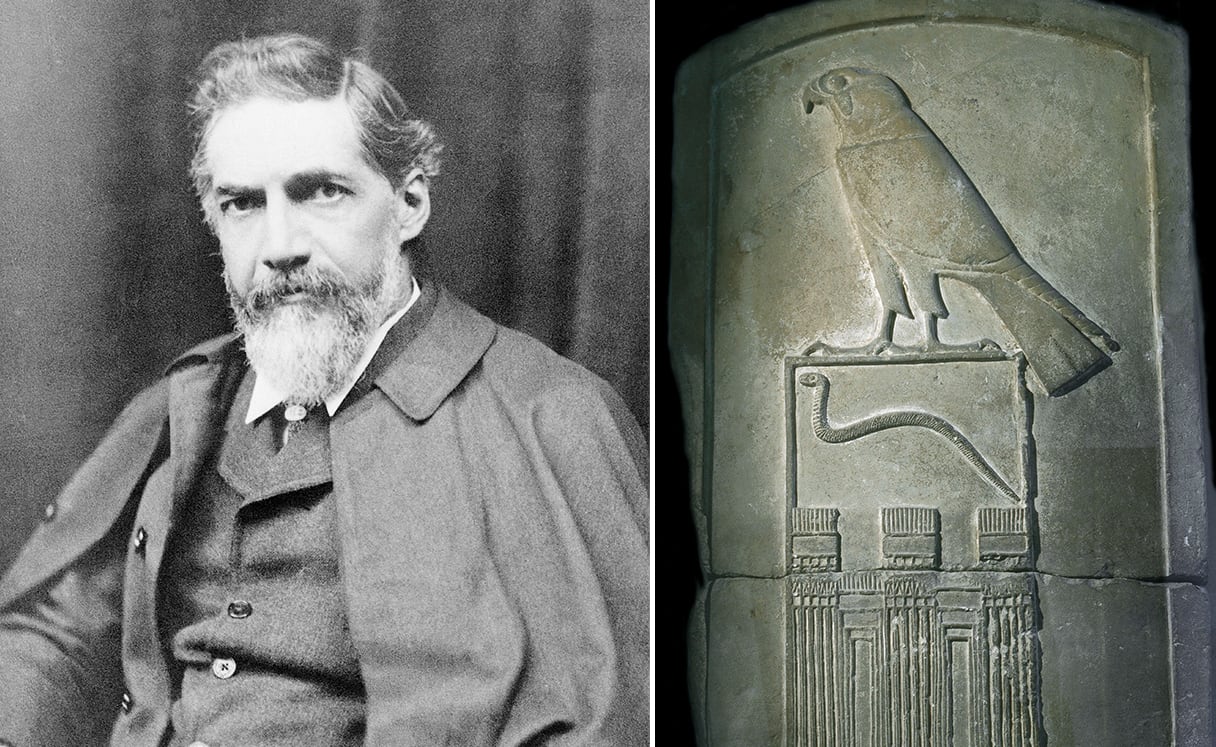
A study of skulls from an ancient Egyptian king's tomb has revealed that nearly 39% of the royal household members buried there were likely victims of deliberate murder, according to modern forensic techniques. English Egyptologist Flinders Petrie, known as the "father of Egyptian archaeology," excavated the site in the 1920s at Abydos.
Petrie suspected that members of the royal household had been sacrificed following the death of the king, but could not prove it due to the lack of visible fatal wounds on the skeletons. Dr. Roselyn Campbell of Purdue University recently reexamined 46 of Petrie's skulls in the Duckworth Collection at Cambridge University, identifying evidence of significant cranial trauma, including linear fractures and sharp-force injuries.
Dr. Campbell noted that the injuries on the preserved crania likely caused rapid unconsciousness, internal bleeding, and death. The burial complex at Abydos, established around 3000 BC, consisted of royal tombs, chamber tombs used for funerary rituals, and subsidiary enclosures. Dr. Campbell suggested that Petrie suspected human sacrifice due to the sheer number of subsidiary graves, some numbering in the hundreds, each containing simple coffins, grave goods, and small objects.
She emphasized that it is still impossible to determine the exact circumstances of the victims' deaths, as Egyptian kings are often depicted as smiting their enemies with a mace, but these weren't their enemies, and a mace would have caused depressed fractures. Linear fractures, on the other hand, are generally caused by a flat, wide weapon or a fall, and falling hard enough to create a cranial fracture would likely have broken other bones, which should have been visible in Petrie's photographs or recorded in his notes.
Dr. Campbell also highlighted the role of servants, officials, and household staff, or retainers, who were buried around the royalty. She questioned who these individuals were and how they viewed the ruler and their own role in his or her life and death. Retainer sacrifice, a type of human sacrifice practiced in many cultures, involved killing those close to a ruler upon the ruler's death to continue serving them in the afterlife or as a display of the ruler's power.
Written by urgent.news from The National UAE's reporting — not their text. Machine-written — may contain errors; check the original before relying on it.
This story
This is one outlet's version. Read the fullest account.