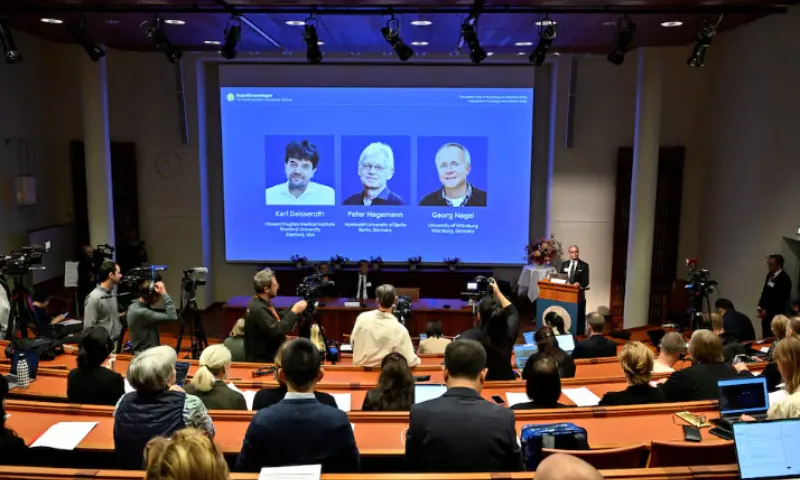
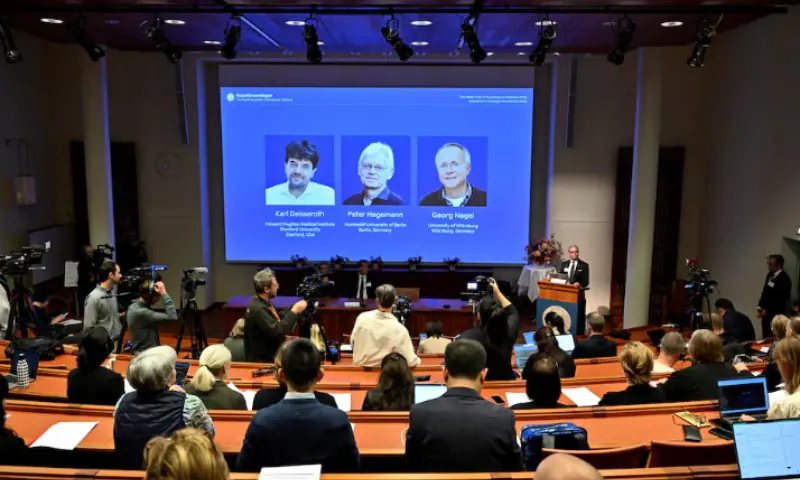
Medicine Nobel goes to scientists who can ‘control brain using light’: What their work is
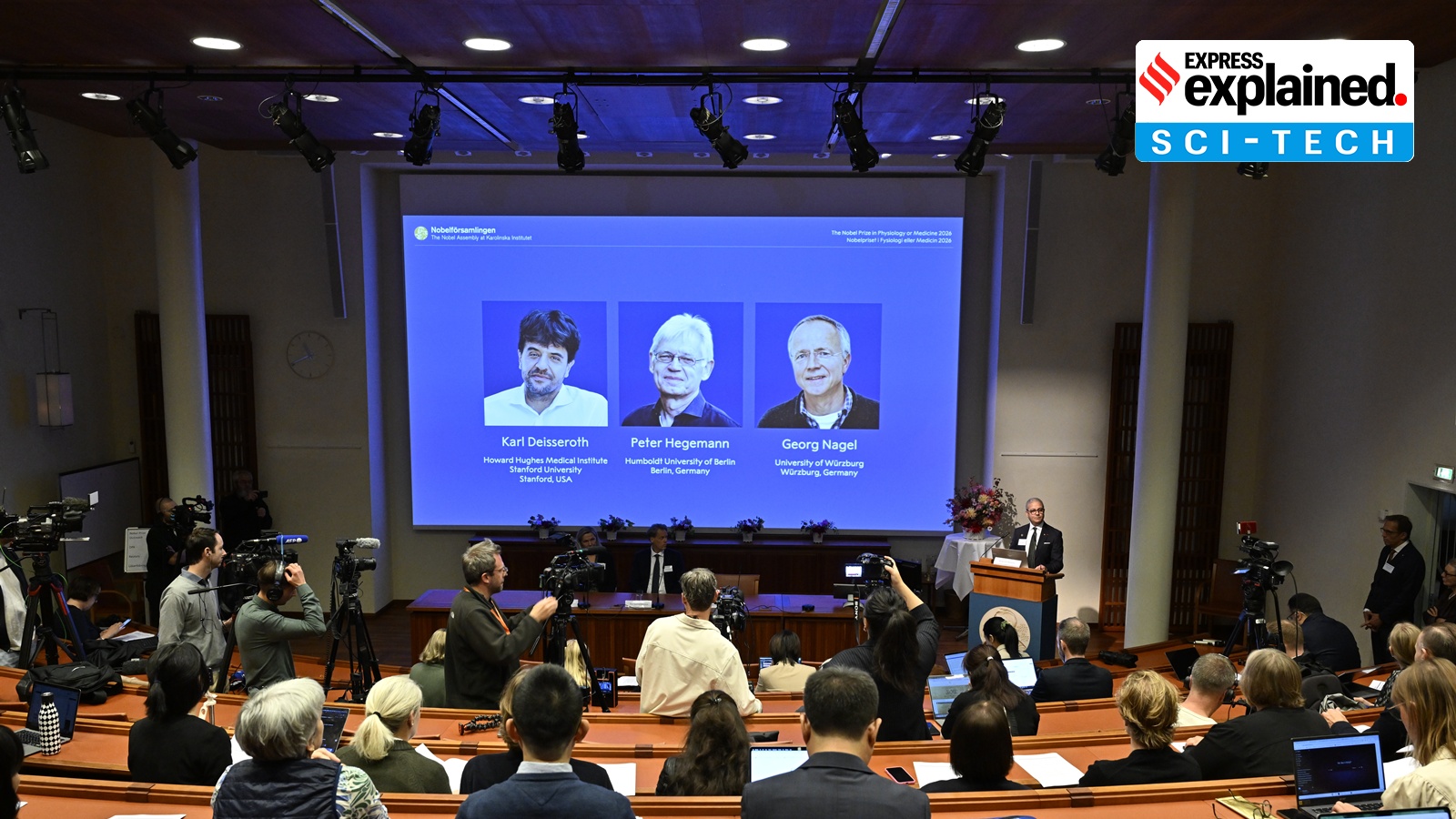
On 5 October, the prestigious Karolinska Institute in Stockholm, Sweden, is set to announce the inaugural winner of the 2026 Nobel Prize in Physiology or Medicine. The identities of the nominees remain confidential, with the committee withholding all information until the announcement is made, tentatively scheduled to occur at 11:10 CEST.
The previous recipient of this esteemed award was a duo of US-based researchers, Mary E Brunkow and Fred Ramsdell, alongside their Japanese counterpart, Shimon Sakaguchi, who jointly received the accolade for their groundbreaking discoveries pertaining to peripheral immune tolerance. This significant breakthrough elucidates the mechanisms by which the immune system maintains a delicate balance, preventing it from attacking the body itself.
This discovery has far-reaching implications for the understanding and treatment of autoimmune diseases, including Type 1 diabetes, rheumatoid arthritis, and lupus. The Nobel Prize in Physiology or Medicine has a storied history, having been bestowed upon 116 laureates across 232 occasions from 1901 to 2025. Following the medicine prize on Monday, the scientific world will witness the unveiling of the physics award on Tuesday, chemistry on Wednesday, and literature on Thursday.
The Nobel Peace Prize will be presented on Friday, with the final prize of the season being the Nobel Memorial Prize in Economic Sciences, announced on 12 October. The monetary award for the 2026 prize stands at 12 million Swedish kronor, equivalent to approximately €1.09 million. The ceremony itself will take place on 10 December, coinciding with the anniversary of Alfred Nobel's demise in 1896.
Written by urgent.news from Euronews's reporting — not their text. Machine-written — may contain errors; check the original before relying on it.
This story
This is one outlet's version. Read the fullest account.
- The Nobel Prize week is kicking off in Stockholm with the medicine award winnipegfreepress.com
- 2026 Nobel medicine prize: Trio wins for optogenetics work thehindu.com
- Nobel Prize 2026 kicks off: Who will win the medicine award? euronews.com
- The Nobel Prize week is kicking off in Stockholm with the medicine award abcnews.com
- Trio win Nobel prize for leap in optogenetics; how it unlocks brain's mysteries timesofindia.indiatimes.com
- Nobel Prize announcements begin, with hopes of a 'less controversial year' rfi.fr
- US-German trio wins medicine Nobel for work on optogenetics phys.org
- Nobel Peace Prize won't go to Trump this year, experts say abc.net.au