Five things to know about the Nobel Prize
STOCKHOLM, Oct 5 — Since 1901, the Nobel Prizes have been awarded to individuals and organisations for work leadin...
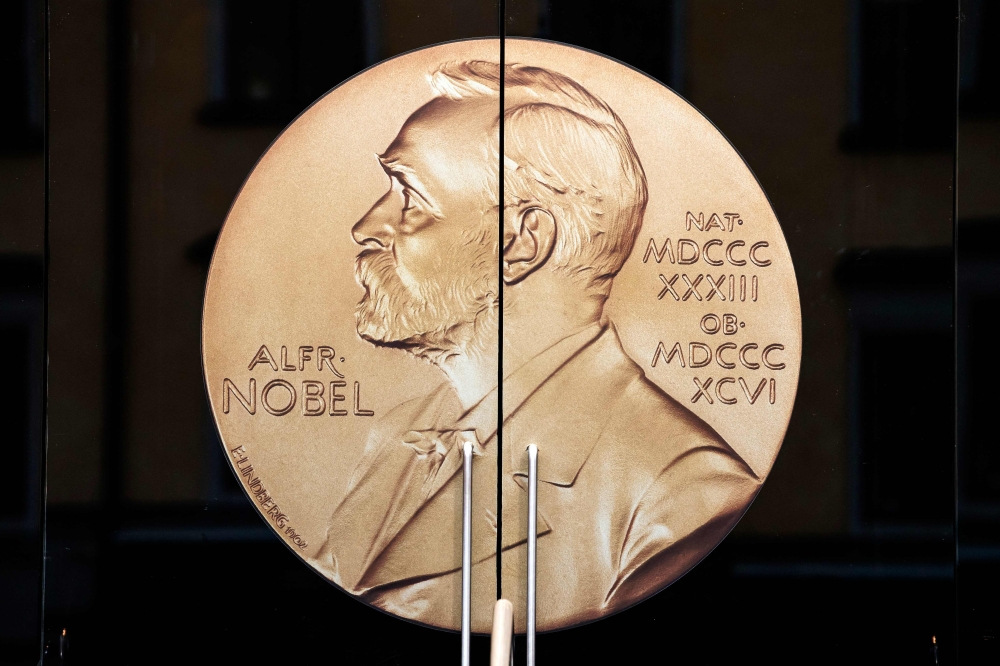
The Nobel Prizes, established in 1901 by inventor and businessman Alfred Nobel, are awarded annually to individuals and organizations who have made significant contributions to humanity in the fields of physics, chemistry, literature, peace, and medicine. The winners are typically announced between October 5 and 12, starting with the Nobel Prize in Medicine.
Since its inception, five Nobel Peace Prize laureates have been unable to attend the ceremony in Oslo due to detention. Examples include German journalist Carl von Ossietzky in 1936, Aung San Suu Kyi in 1991 under house arrest, Chinese dissident Liu Xiaobo in 2010, Belarusian human rights campaigner Ales Bialiatski in 2022, and Iranian activist Narges Mohammadi in 2023. In each case, the prize was awarded to the individual nonetheless.
The age at which laureates receive the Nobel Prize varies greatly. Pakistani activist Malala Yousafzai, who won the Nobel Peace Prize at 17 in 2014, is the youngest recipient to date. Australian scientist Lawrence Bragg, who shared the Nobel Prize in Physics with his father in 1915 at the age of 25, is the youngest laureate in the field.
Conversely, American researcher John Goodenough, who won the Nobel Prize in Chemistry at 97 in 2019, is the oldest laureate. Arthur Ashkin, who received the Nobel Prize in Physics at 96 in 2018, preceded him.
Posthumous awards have been permitted since 1974, although only two instances have occurred prior to this change. Dag Hammarskjold, the Swedish secretary-general of the United Nations, was awarded the Nobel Peace Prize in 1964 posthumously after his death in a plane crash earlier that year. In 2011, Ralph Steinman, who had passed away three days before the Nobel Prize in Medicine announcement, was awarded the prize posthumously.
The Nobel Foundation maintains that a posthumous award must be granted if the recipient dies between the announcement and the December ceremony.
Women's representation among Nobel laureates has been relatively low at about 10 percent of the total 633 awards since 1901. The science disciplines, particularly physics, economics, chemistry, and medicine, have the lowest representation of female recipients. Marie Curie, the first woman laureate in 1903, remains the only person to have won two Nobel prizes, one in physics and another in chemistry.
Written by urgent.news from Malay Mail's reporting — not their text. Machine-written — may contain errors; check the original before relying on it.
This story
This is one outlet's version. Read the fullest account.
- Five things to know about the Nobel Prize gulfnews.com