Research roundup: 6 cool science stories we almost missed
Also: Spooky action at the LHC, Ice Age psychoactive use, yeast for building homes on Mars, and more.
Every month, a select group of intriguing scientific stories are highlighted that might have been overlooked. This September's list includes exciting developments in the search for dark matter, entangled Z bosons at the Large Hadron Collider, the potential use of psychoactive substances in the Late Pleistocene, and a detailed technical description of a telescope attributed to Galileo.
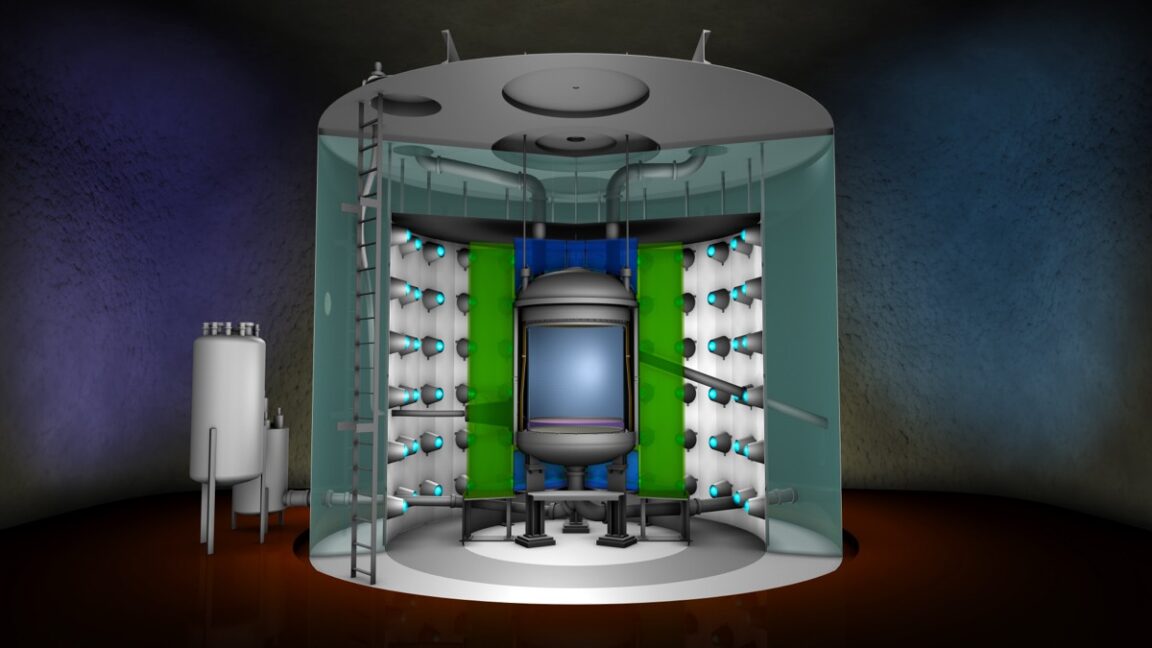
The hunt for dark matter, which is believed to make up approximately 85 percent of matter in our universe, has faced challenges. While weakly interacting massive particles (WIMPs) are the strongest candidate, they have remained elusively undetected for years. However, the LUX-ZEPLIN detector, located deep within a gold mine in South Dakota, may have provided a promising hint of dark matter.
This tantalizing result was presented at the 2026 TeV Particle Astrophysics conference in Japan, though it is just a hint and far below the threshold for confirmation. The team is still collecting data and will continue to investigate, as is the XENONnT experiment in Italy and China's PandaX detector.
Written by urgent.news from Ars Technica Science's reporting — not their text. Machine-written — may contain errors; check the original before relying on it.
This story
This is one outlet's version. Read the fullest account.
- Research roundup: 6 cool science stories we almost missed arstechnica.com