What Goes on in the Brain When a Good Buzz Gets Harshed
In 1974, Pfizer developed a synthetic cannabinoid that mimicked the effects of tetrahydrocannabinol (THC), but was around 40 times stronger. Unfortunately, this synthetic super weed was never marketed. Instead, it’s used to test the effects of THC on lab animals, like the mice in a new Nature study . Using cannabis (as you may know from firsthand experience), can be very relaxing, but it can also…
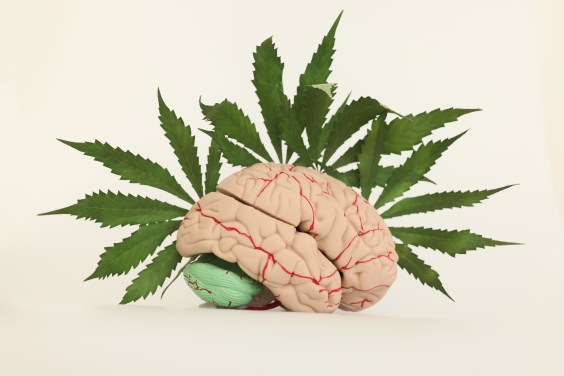
In 1974, Pfizer created a synthetic cannabinoid that imitated the effects of THC, but was approximately 40 times more potent. This synthetic super weed was never marketed, and instead, it is used to study the effects of THC on lab animals such as mice, as demonstrated in a new Nature study. While cannabis is often associated with relaxation, it can also induce anxiety, and now scientists may have discovered what happens in the brain during a negative experience.
Researchers from Northwestern University administered varying doses of the synthetic cannabinoid, known as CP55940, to a group of mice and placed them in an enclosure containing a petri dish filled with fox urine. When confronted with the scent of a predator, mice without the influence of CP55940 approached the dish to investigate, sniffed it a few times, and then ran away. However, mice under the influence of CP55940 exhibited different behavior, resisting the urge to investigate and freezing more frequently.
This study provides valuable insight into the brain's response to a negative cannabis experience, potentially helping researchers understand the factors that contribute to anxiety during a "bad trip."
Written by urgent.news from Nautilus's reporting — not their text. Machine-written — may contain errors; check the original before relying on it.