Politics has boundaries, the ethics of dakwah have no finish line
Is it appropriate for an agent of dakwah to vilify opponents and question the act of paying respects to the deceased on grounds of political differences?
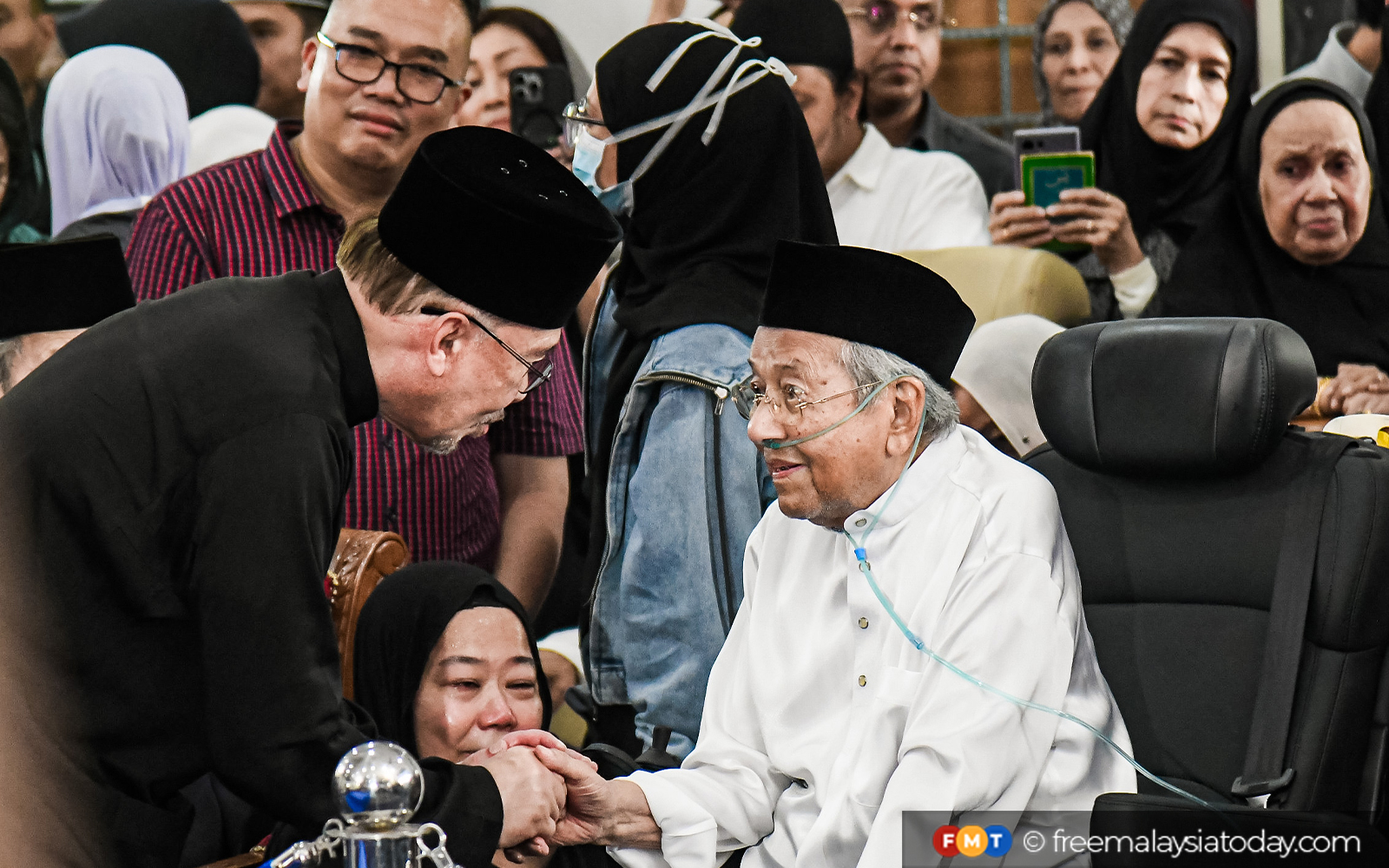
Moaz Nair's article emphasizes the importance of ethics in religious propagation, or dakwah, particularly in a politically charged environment. Nair argues that a preacher's role is to promote peace and unity, not to engage in partisan politics. He cites Surah Al-Hujurat, verse 11, which forbids belittling others, as a clear directive against vilifying political opponents.
Nair contends that paying respects to the deceased is a commendable act, regardless of their political affiliation, and that a preacher's primary duty is to invite humanity towards goodness. He uses the example of the Prophet Muhammad's respect for a Jewish funeral procession to illustrate the importance of showing compassion and mercy, even in the face of death.
Nair concludes by urging preachers to set an example of unity and refrain from insults, as partisan politics and ideological differences should not undermine the ethical pillars of Islamic morality.
Written by urgent.news from Free Malaysia Today's reporting — not their text. Machine-written — may contain errors; check the original before relying on it.
This story
This is one outlet's version. Read the fullest account.
- Politics has boundaries, the ethics of dakwah have no finish line freemalaysiatoday.com