Politics has boundaries, the ethics of dakwah have no finish line
Is it appropriate for an agent of dakwah to vilify opponents and question the act of paying respects to the deceased on grounds of political differences?
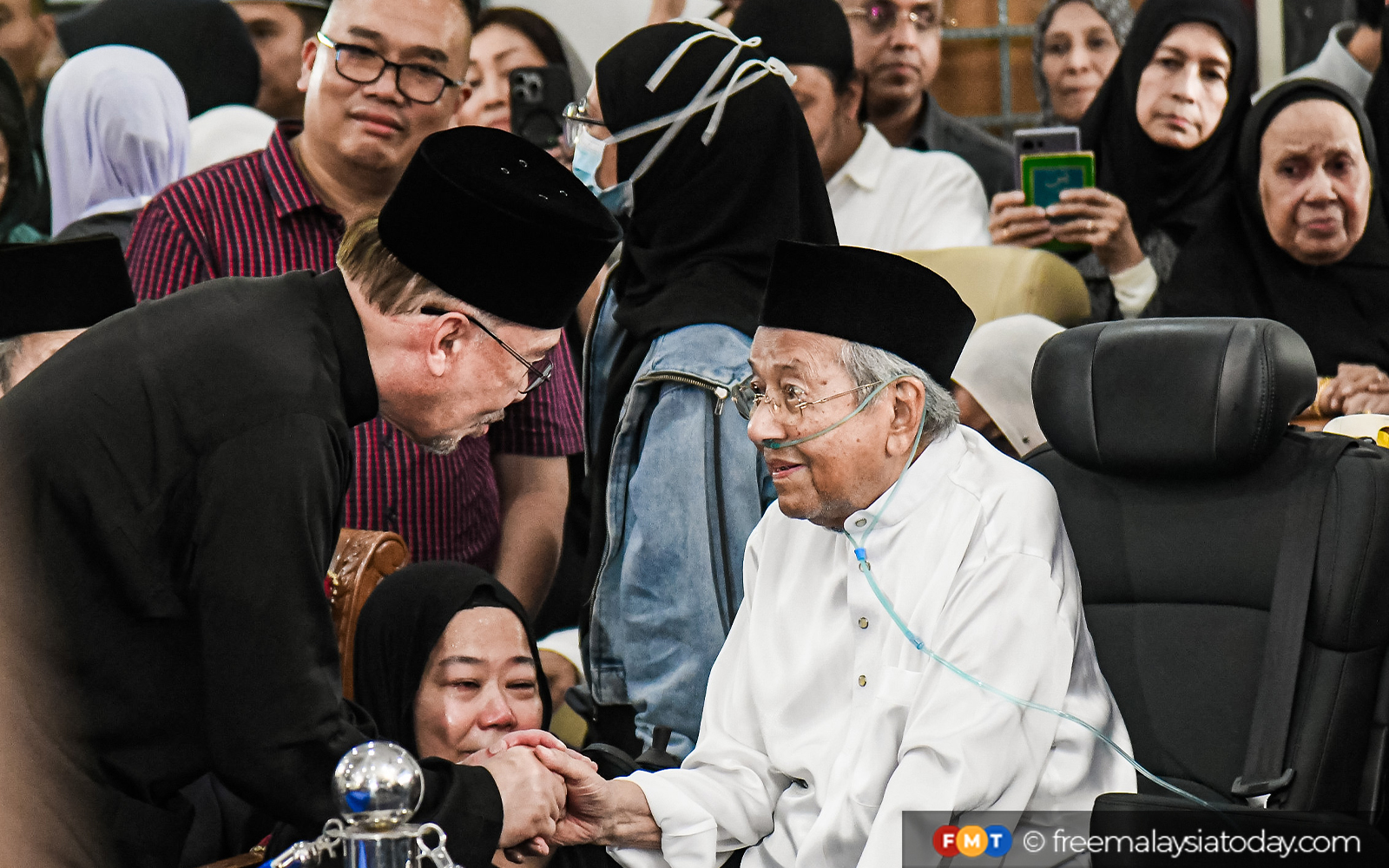
Death brings people together rather than separating them. It is disheartening when a preacher who is supposed to spread a message of peace harbors misconceptions about political figures attending the final rites for the late Dr Hasmah Ali. Labeling such an act as hypocrisy or simply seeking to appear favorable does not only disregard the communal obligation (fard kifayah) but also violates the moral guidelines in Surah Al-Hujurat, verse 11, which discourages disparaging the actions of others.
Politics has its limits, and those limits fade away when death occurs. In this political climate, it is difficult to distinguish between ideological differences and religious obligations (shariah). Preachers, entrusted with delivering religious messages, must question whether it is acceptable for them to criticize opponents and question the act of paying respects to the deceased based on political differences.
Islam strictly forbids vilifying opponents, whether in political or personal matters. Paying respects to the deceased, regardless of their political affiliations, is a commendable virtue and a moral obligation. The duty of a dakwah practitioner (da'ī) is to invite humanity towards goodness through wisdom and excellent counsel, not to spread insults on social media.
Insults create walls of animosity, alienate society from guidance, and tarnish the reputation of Islam. Allah SWT explicitly prohibits Muslims from mocking, belittling, and insulting others in Surah Al-Hujurat, verse 11, which is evidence that Islam strongly safeguards the harmony of speech for the greater public interest. The Prophet Muhammad's hadith further emphasizes that a believer should not engage in slander, cursing, obscene speech, or foul language.
If insulting an ordinary person is forbidden, how can the same tongue justify vilification in the name of political differences? Death transcends political boundaries. Regardless of whether a deceased person was a staunch supporter or a vocal adversary, visiting them is a demonstration of human value and brotherhood. Even the Prophet Muhammad showed respect during a Jewish funeral procession, asking his companions, "Was it not a human soul?"
When a leader or preacher attends the condolence gathering of a political adversary, it shows emotional maturity and mercy, which can soften hardened hearts. In conclusion, a preacher should act as a unifier and a source of mercy, not a disruptor of social bonds. Political differences are normal in a democratic system, but they must not undermine the ethical pillars of Islamic morality.
It is time for dakwah practitioners to counter the tide of adversarial politics, stop insulting others, and preserve human connections, especially during times of calamity and death. Ultimately, religious propagation is judged by its ethical character, while partisan politics will inevitably fade with time.
Written by urgent.news from Free Malaysia Today's reporting — not their text. Machine-written — may contain errors; check the original before relying on it.
Also reported by 1 other outlet
- Politics has boundaries, the ethics of dakwah have no finish line freemalaysiatoday.com