Polar oceans transformed as warming melts ice habitats
The Copernicus Ocean State Report documents widespread changes across the seas, from record heatwaves to shifting ecosystems and rising acidity.
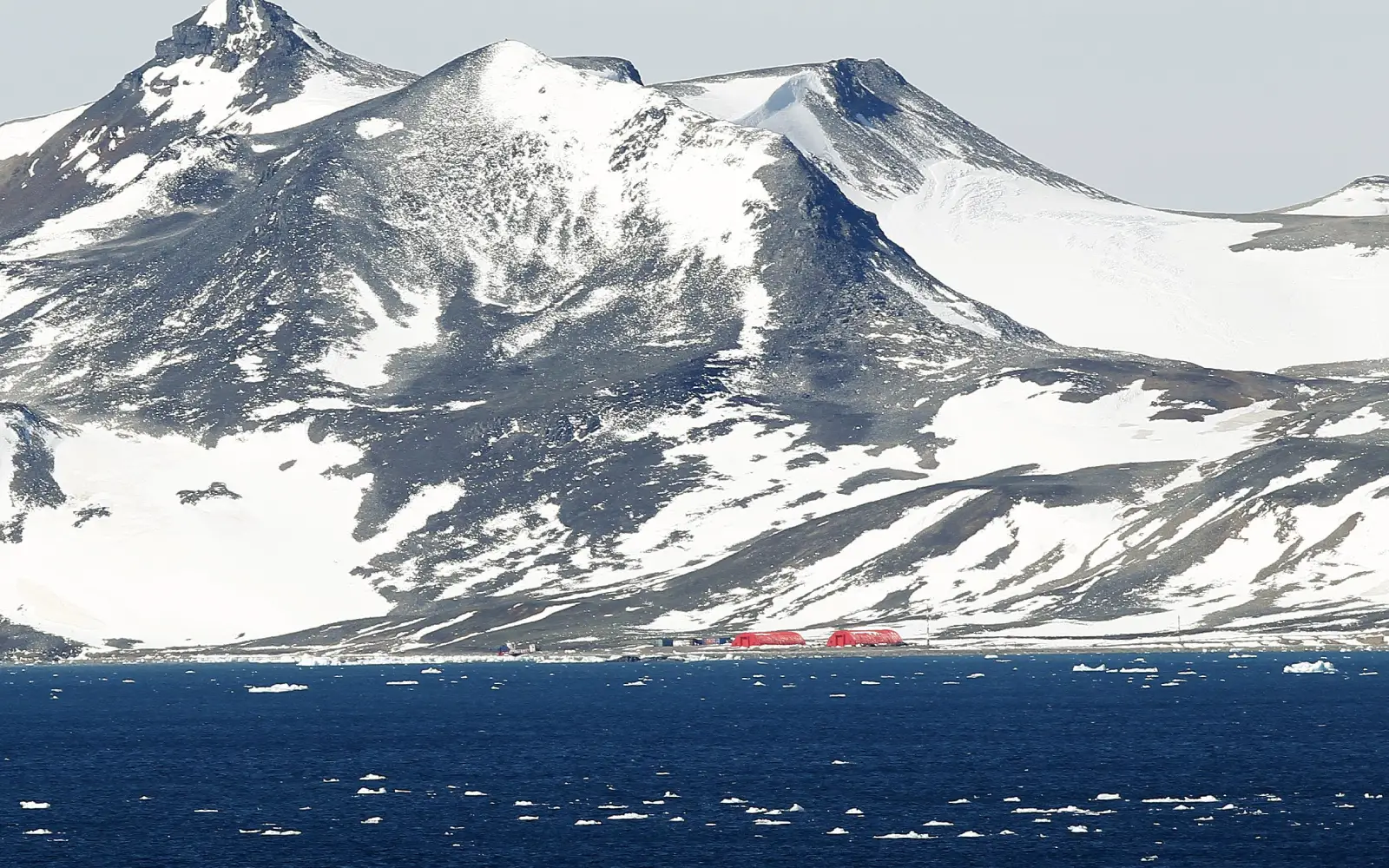
Climate change is irrevocably altering the polar oceans, as the annual Copernicus Ocean State Report reveals. The Arctic, which accounts for roughly 20% of the planet's ocean surface, is experiencing extreme warming and ice loss, leading to far-reaching consequences for both marine life and coastal communities.
Between 1982 and 2024, the combined sea surface and sea-ice temperature in the Arctic increased by 4.2°C, with an annual rate of 1°C per decade. This is significantly higher than the global sea surface temperature rise of 0.12°C per decade. In the Kara Sea, north of Siberia, temperatures have climbed by a staggering 6.7°C over the same period, or 1.68°C per decade.
As Arctic sea ice retreats at an alarming rate of nearly 500,000 square kilometers per decade since 1979, it exposes roughly 60% of coastal infrastructure to erosion and sea level rise. Karina von Schuckmann, director of the oceans report, emphasized that around 60% of coastal infrastructure is now vulnerable to these threats.
In Antarctica, the loss of sea ice poses a grave risk to penguin populations. The record-low sea ice observed in 2022 was accompanied by an unprecedented large-scale breeding failure of emperor penguins, marking the first time such an event has been documented. Emperor penguins rely on stable sea ice for survival, hunting, and breeding, and their chicks can perish if they fall into freezing water before their waterproof feathers mature.
In April, the penguins were classified as endangered by the IUCN, the global authority on threatened species. If current rates of sea ice loss continue, more than 90% of emperor penguin colonies could be pushed to the brink of extinction by 2100.
Written by urgent.news from Free Malaysia Today's reporting — not their text. Machine-written — may contain errors; check the original before relying on it.
This story
This is one outlet's version. Read the fullest account.
- Polar oceans transformed as warming melts ice habitats freemalaysiatoday.com