Polar oceans transformed as warming melts ice habitats
The Copernicus Ocean State Report documents widespread changes across the seas, from record heatwaves to shifting ecosystems and rising acidity.
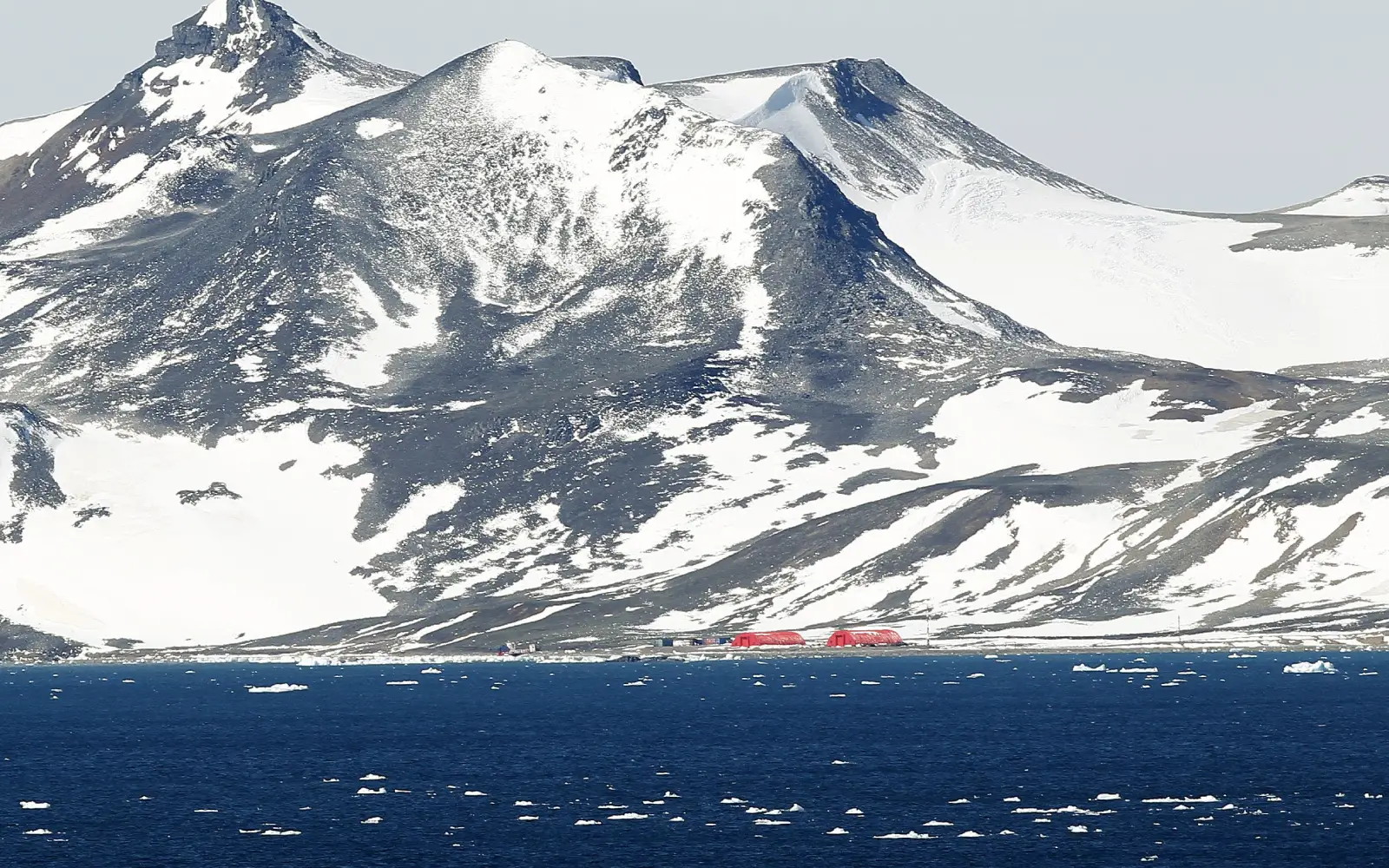
Climate change is dramatically altering the polar oceans, according to a new annual report. Rapid warming in the Arctic is causing sea ice to melt at an alarming rate, threatening wildlife and coastal communities. The report, released by the EU's Copernicus Marine Service, reveals that the Arctic's sea surface and sea-ice surface temperature has risen by 4.2°C since 1982, roughly doubling the global average rate of warming.
Since 1982, Arctic sea ice has diminished by nearly half a million square kilometers per decade, an area roughly the size of Spain every ten years. This exposes coastal infrastructure to increased erosion and sea level rise, with 60% of Arctic coastal infrastructure now at risk. Meanwhile, in Antarctica, the loss of ice is jeopardizing penguin populations.
In 2022, record-low Antarctic sea ice coincided with the first-ever recorded large-scale breeding failure of emperor penguins, a species already downgraded to endangered status by the IUCN. If current ice loss trends continue, over 90% of emperor penguin colonies could become extinct by 2100.
Written by urgent.news from Free Malaysia Today's reporting — not their text. Machine-written — may contain errors; check the original before relying on it.
Also reported by 1 other outlet
- Polar oceans transformed as warming melts ice habitats freemalaysiatoday.com