OpenAI unveils Dots AI assistant for background tasks
Dots can be reached through Slack and Teams, with text messaging support planned.
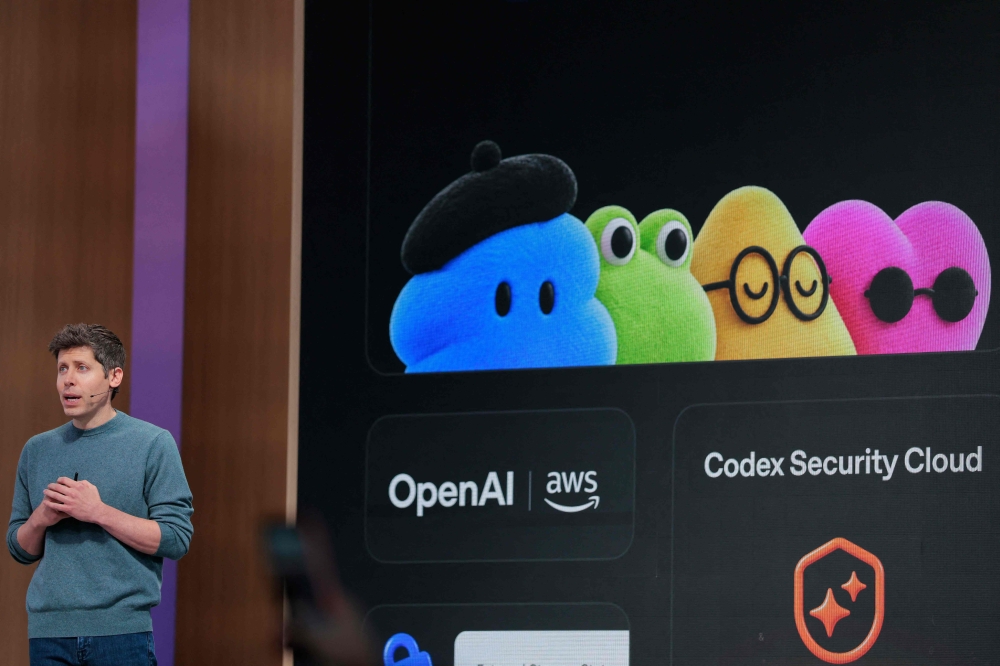
OpenAI introduced Dots, its new "always-on" AI agents, during its DevDay event in San Francisco, just a month after Meta released Muse, its personal AI agent. Both products share similarities such as having dedicated cloud-based computing environments, working autonomously, remembering user information, and performing actions across applications.
However, OpenAI and Meta have taken different approaches to this technology. OpenAI positions Dots as work-focused AI teammates, while Meta markets Muse as a personal AI for everyday tasks.
Dots can take on projects and execute them without requiring numerous user commands. Each Dot has its own cloud computer and browser, and users can connect over 4,000 apps through OpenAI's plugin ecosystem. Dots can also be accessed via ChatGPT, Slack, and Microsoft Teams. For instance, a sales Dot could monitor customer feedback, identify recurring bugs, create and test fixes, and submit pull requests for review.
OpenAI plans to roll out Dots to Pro and Business Premium users in eligible markets initially, with enterprise users able to access a beta version upon request from their workspace administrators. Additionally, OpenAI is developing specialized Dots for organizations, which will have their own identities, credentials, and access to company systems, enabling them to handle specific tasks such as procurement, invoice processing, customer support, and commercial contracting.
Meta's Muse, on the other hand, is designed to proactively work towards a user's goals. Users provide a broader objective, after which Muse can develop a plan and continue working even after the user closes the app. It can also return when something changes or when human approval is needed. Muse has access to information users have previously shared, enabling it to make suggestions without continuous prompting, such as transforming a saved Instagram recipe into a grocery list or remembering dietary restrictions for a dinner plan.
Both OpenAI and Meta are moving from prompt-and-response AI to background AI agents that work autonomously. The main similarity between Dots and Muse is their ability to operate in the background, handling tasks without constant user intervention. Examples include a Dot updating research as new data arrives, refining a sales proposal based on changing requirements, or converting customer feedback into tested software fixes.
Similarly, Muse can adjust a training plan based on a person's changing circumstances, negotiate a sale, or continue a task even after the user closes the app.
The potential risks of autonomous AI agents are significant, and both companies are aware of these concerns. The more an agent can operate independently, the higher the risk of errors causing harm. OpenAI highlights the need for safety measures surrounding Dots, while Meta recently addressed security vulnerabilities in Muse, such as the potential for sharing sensitive information without user consent.
As autonomous AI systems become more advanced, the question of liability becomes increasingly complex. Companies like Anthropic are grappling with these issues, questioning how existing laws would apply to AI agents and whether they should be treated as products, services, or something else entirely.
Written by urgent.news from The Economic Times's reporting — not their text. Machine-written — may contain errors; check the original before relying on it.
This story
This is one outlet's version. Read the fullest account.
- What are Dots, OpenAI’s new AI agent? thehindu.com
- OpenAI launches Dots, AI agents for work and everyday tasks expansion.com
- OpenAI just launched Dots — here’s why most ChatGPT users can’t try them yet tomsguide.com
- OpenAI connects the Dots platformer.news
- OpenAI named its new agent system Dots. It’s already causing confusion. businessinsider.com
- OpenAI launches Dots to take on Meta’s Muse economictimes.indiatimes.com