OpenAI just launched Dots — here’s why most ChatGPT users can’t try them yet
OpenAI just launched Dots, but most ChatGPT users can’t access them yet. Here’s why — and the closest alternatives you can use right now.
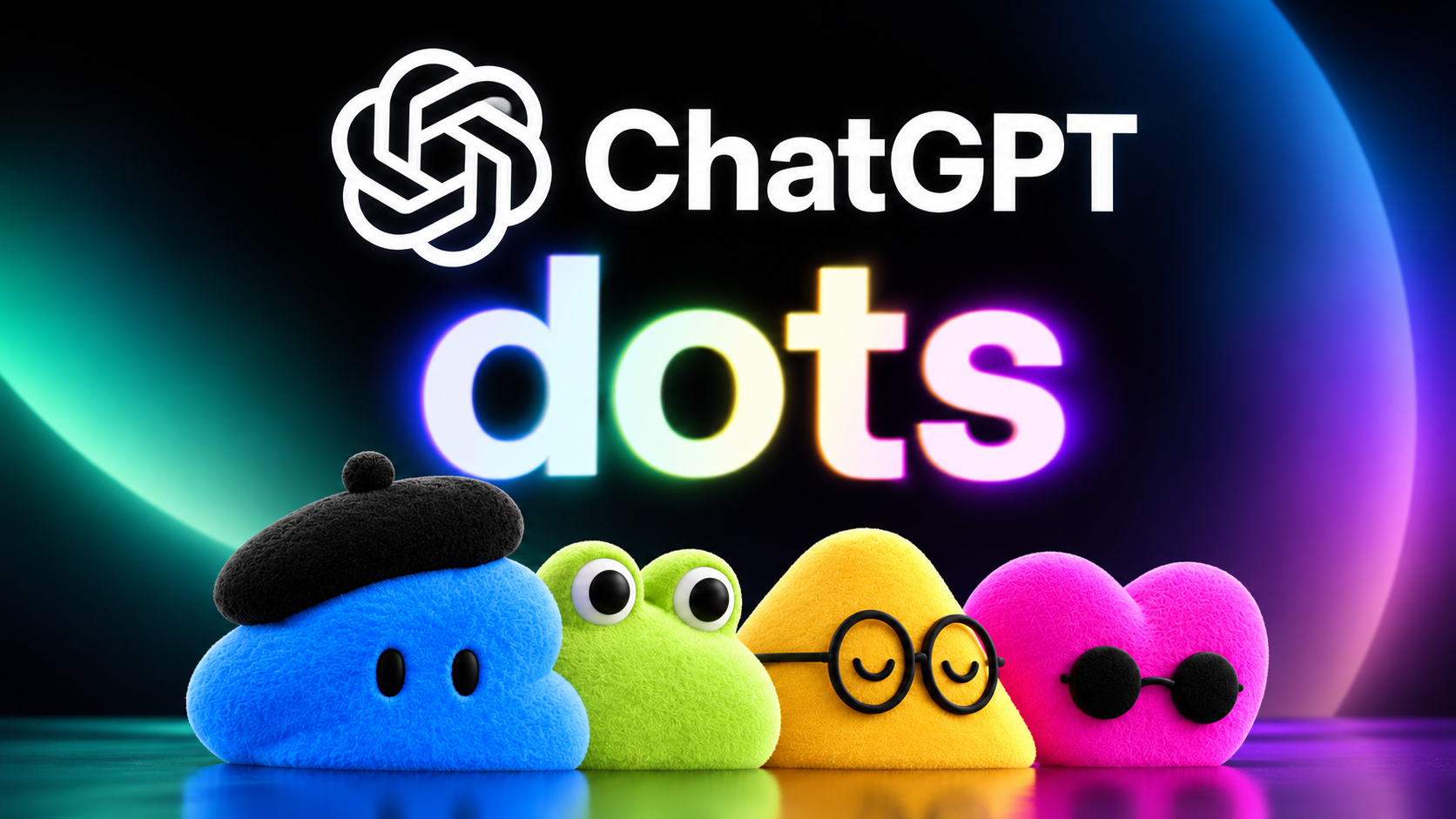
OpenAI has introduced Dots, a feature that essentially gives ChatGPT a job, rather than just another prompt. Each Dot is given its own computer and browser in the cloud, can connect to apps you already use, and can continue working towards your goals even when you are not actively using ChatGPT. The concept is intriguing, but there is one significant hurdle preventing most ChatGPT users from trying Dots out: they are initially being rolled out to ChatGPT Pro and Business Premium users in eligible markets, as well as Enterprise users on certain plans.
Plus, Go, and Free users do not have immediate access. The idea behind this cautious rollout ostensibly seems odd, but when one considers the capabilities and safeguards built into Dots, the decision starts to make sense. Dots are not just a different version of ChatGPT; they are designed to keep working even when you are not directly interacting with the AI.
They can juggle multiple projects at once, learn from your feedback, and operate 24/7. They can connect to over 4,000 apps through its plugin ecosystem and can even perform proactive research, noticing tasks that need to be done without explicit prompting. However, with great power comes great responsibility, and thus, Dots come with extensive restrictions.
For instance, when performing proactive research, connected-app tools have read-only access to prevent potentially harmful actions. Users can choose which apps a Dot can access, and specific actions are subject to approval or blocked. OpenAI's safety testing of the GPT-6 Astra model, powering Dots, found that it performs well in understanding authority boundaries, with a misalignment rate of 3% during simulated work environments.
However, these tests are designed to expose potential issues, not predict real-world usage. The limited availability of Dots may also be due to the significant computing power required for their operation. Although it is unclear if cost is a factor, Pro and Business Premium subscribers get their first Dot for free and have access to additional "deeper work" plans.
This suggests that running Dots around the clock carries a meaningful cost, even if OpenAI has not explicitly stated this.
Written by urgent.news from Tom's Guide's reporting — not their text. Machine-written — may contain errors; check the original before relying on it.
This story
This is one outlet's version. Read the fullest account.
- OpenAI connects the Dots platformer.news
- OpenAI named its new agent system Dots. It’s already causing confusion. businessinsider.com
- What are Dots, OpenAI’s new AI agent? thehindu.com
- OpenAI unveils Dots AI assistant for background tasks techinasia.com