In Panama’s Darién forest, Indigenous communities test a new way to fund conservation
With illegal logging and agricultural expansion closing in on their lands, four Indigenous Wounaan and Emberá-Wounaan villages in Panama’s Darién forest started a biodiversity monitoring project to document their forests’ conservation status, reports Mongabay contributor María Paula Rubiano A. Their biodiversity monitoring project recorded more than 200 species across 18,000 hectares (44,500…
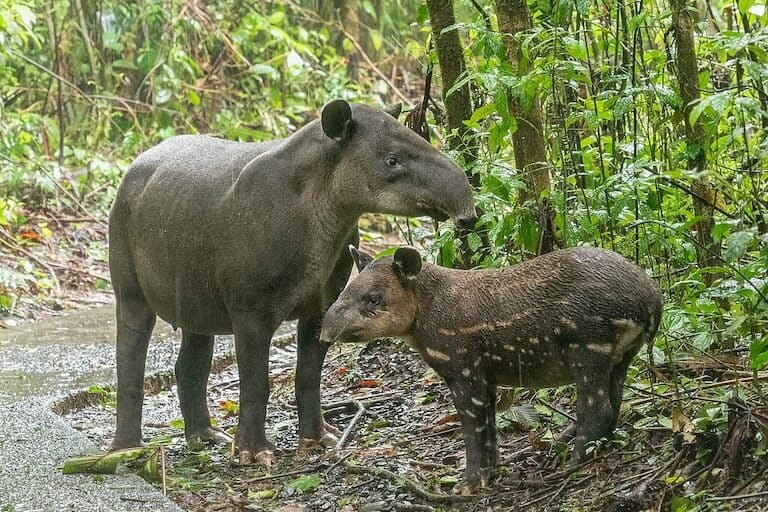
Illegal logging and agricultural encroachment threaten the lands of four Indigenous Wounaan and Emberá-Wounaan villages in Panama's Darién forest. To safeguard their environment, these communities initiated a biodiversity monitoring project, monitoring a 18,000-hectare (44,500-acre) stretch of threatened forest. This monitoring project identified more than 200 species, including three "umbrella" species: jaguars, Baird's tapirs, and crested eagles.
Fifteen of these species are classified as threatened. The data gathered by the Indigenous communities is now being utilized as a baseline for participating in the biodiversity credit market, aiming to generate income in an area with limited economic opportunities. Employing bioacoustic monitoring and camera-trapping techniques, with support from the Panama-based NGO FSC Indigenous Foundation and Health In Harmony, the communities are employing a methodology developed by Savimbo, a biodiversity credit company founded by Indigenous members.
This methodology relies on 15 indicator species as a proxy for forest health. Community member Samuel Cheucarama shared that the monitoring efforts have already altered community behavior, as individuals refrain from hunting and now place "No Hunting" signs.
Written by urgent.news from Mongabay's reporting — not their text. Machine-written — may contain errors; check the original before relying on it.