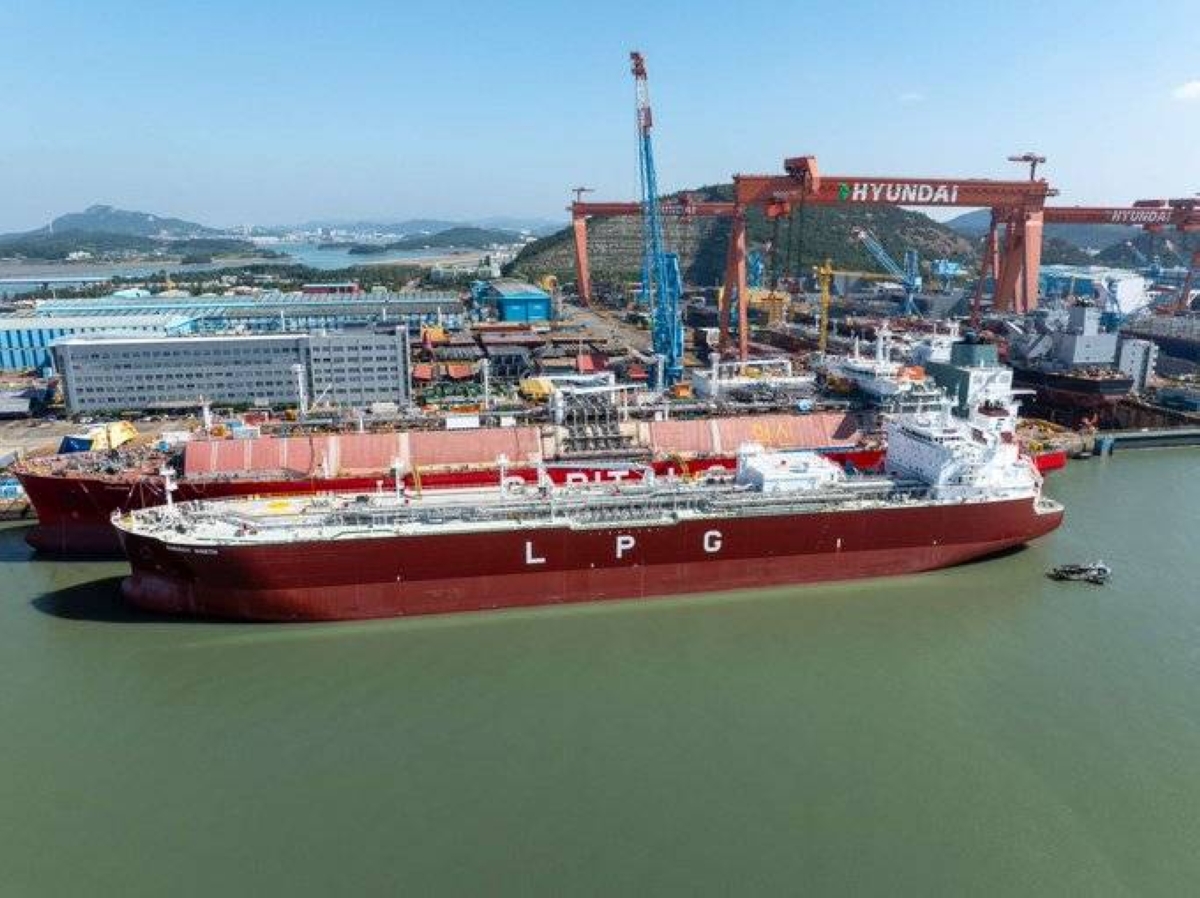
Dangote oil refinery launch at Lamu port
Dangote wants to replicate his group's 700,000-barrel-per-day Nigerian refinery.

The ambitious Dangote East Africa Oil Refinery project, valued at Ksh2.2 trillion, stands on the brink of a pivotal challenge: delivering tangible benefits to the local Lamu community. While the refinery's massive scale promises significant regional economic gains, the crucial question remains - how will the residents of Lamu directly reap the rewards of an investment so large?
With the refinery poised to process up to 700,000 barrels of crude oil daily, promoters tout its potential to reduce East Africa's dependence on imported fuels, spur petrochemical industries, and generate over 50,000 jobs. Regional governments have been offered a combined 30% stake in the facility, offering a clear pathway for shared ownership. However, Lamu's host community remains notably absent from the equity arrangement, with no direct stake publicly announced so far.
This omission raises the question: what concrete benefits will the local people actually gain from such a massive project? Simply creating jobs or awarding contracts is not enough. Lamu residents demand that the refinery's economic benefits cascade down to them - through priority employment opportunities for youth, business and other local opportunities. They also seek skills training, business development support, and access to refinery-related supply chains.
The situation is further complicated by unresolved land disputes. Over 133 residents of Chandavai have challenged the project in court, claiming generations of ancestral use of disputed land without proper recognition or compensation. The court has ordered the status quo maintained while the matter proceeds to October 14. Dangote maintains the government has addressed compensation, but the dispute highlights the need for a fair process that doesn't stall the refinery's launch.
Ultimately, the refinery's success in Lamu hinges not just on engineering, financing and supply, but on a transparent benefits framework. This should include clear hiring targets, technical training linked to refinery jobs, opportunities for Lamu-based suppliers, access to procurement information, support for local businesses, and mechanisms to resolve land claims.
The refinery's broader promise lies in creating a wider local economy - in transport, logistics, accommodation, food supply, maintenance, construction, housing and other sectors. It could even build a pipeline of technical skills for Lamu's future.
However, this will require concrete rules governing hiring, contracting, training, land resolution and community participation. The challenge for the government, Dangote Group and Lamu County leadership now extends beyond breaking ground. They must demonstrate that this Ksh2.2 trillion investment can genuinely create measurable local economic growth and tangible benefits for Lamu's residents.
The refinery may be judged by its capacity, output and energy security contribution, but in Lamu, the true test will be whether ordinary people can point to the project and say, with concrete evidence, that their lives have genuinely changed for the better.
Written by urgent.news from People Daily Kenya's reporting — not their text. Machine-written — may contain errors; check the original before relying on it.
This story
This is one outlet's version. Read the fullest account.
- Ruto tells off ‘brokers’ over Ksh 2.2T Dangote refinery kbc.co.ke
- BREAKING: NNPCL filling stations reduce fuel price after Dangote Refinery cut dailypost.ng
- Obasanjo, Ruto, others present as Dangote flags off $16bn refinery in Kenya dailytrust.com
- Dangote’s Ksh2.2T Lamu refinery now faces its biggest test: What will locals actually gain? peopledaily.digital
- Kalonzo welcomes Dangote investment, recalls origins of Lamu vision capitalfm.africa
- 'We are not scared of court': Dangote shrugs off oil refinery suit standardmedia.co.ke