Supervised physical therapy improves short-term knee pain and function after ACL surgery in young adults
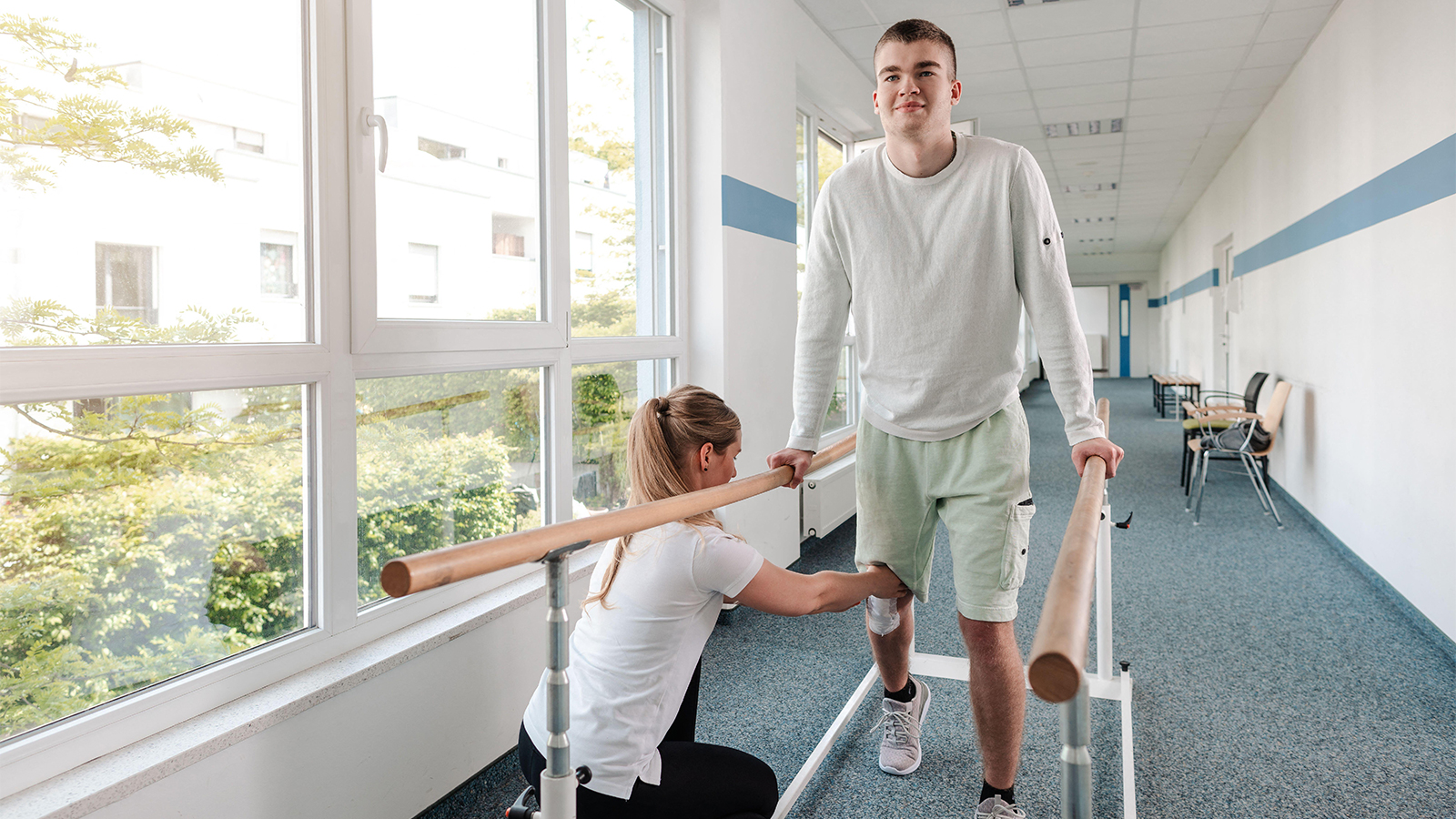
A randomized clinical trial found that supervised physical therapy after anterior cruciate ligament (ACL) surgery yielded greater improvements in pain, function and muscle strength than a self-directed exercise program, at least in the short term. The findings can inform care for people with ongoing knee symptoms after ACL surgery. The study is published in Annals of Internal Medicine.

A randomized clinical trial revealed that supervised physical therapy and education post-anterior cruciate ligament (ACL) surgery led to greater improvements in pain, function, and muscle strength in young adults, compared to a self-directed exercise regimen, particularly within the first four months. Conducted by researchers from La Trobe University's Sport and Exercise Medicine Research Center, the study involved 184 adults aged 18 to 40 who continued to experience knee issues nine to 36 months after ACL reconstruction.
Participants were randomly assigned to either a supervised exercise and education program or a single education session followed by self-directed exercise resources. At four months, those in the supervised group reported significant enhancements in knee symptoms, quality of life, thigh muscle strength, and perceived recovery. However, by 12 months, the differences between the two groups had diminished, and there were no disparities in cartilage thickness.
The researchers concluded that supervised exercise therapy combined with education provides notable short-term benefits for young adults with persistent knee problems after ACL surgery, indicating that exercise is not detrimental to knee joint cartilage.
Written by urgent.news from Medical Xpress's reporting — not their text. Machine-written — may contain errors; check the original before relying on it.