Latest WCM-Q study links chronic inflammation to colorectal cancer
Researchers from the Department of Systems and Computational Biomedicine at Weill Cornell Medicine-Qatar (WCM-Q) have examined the role of chronic low-grade inflammation in the rising incidence of ea...
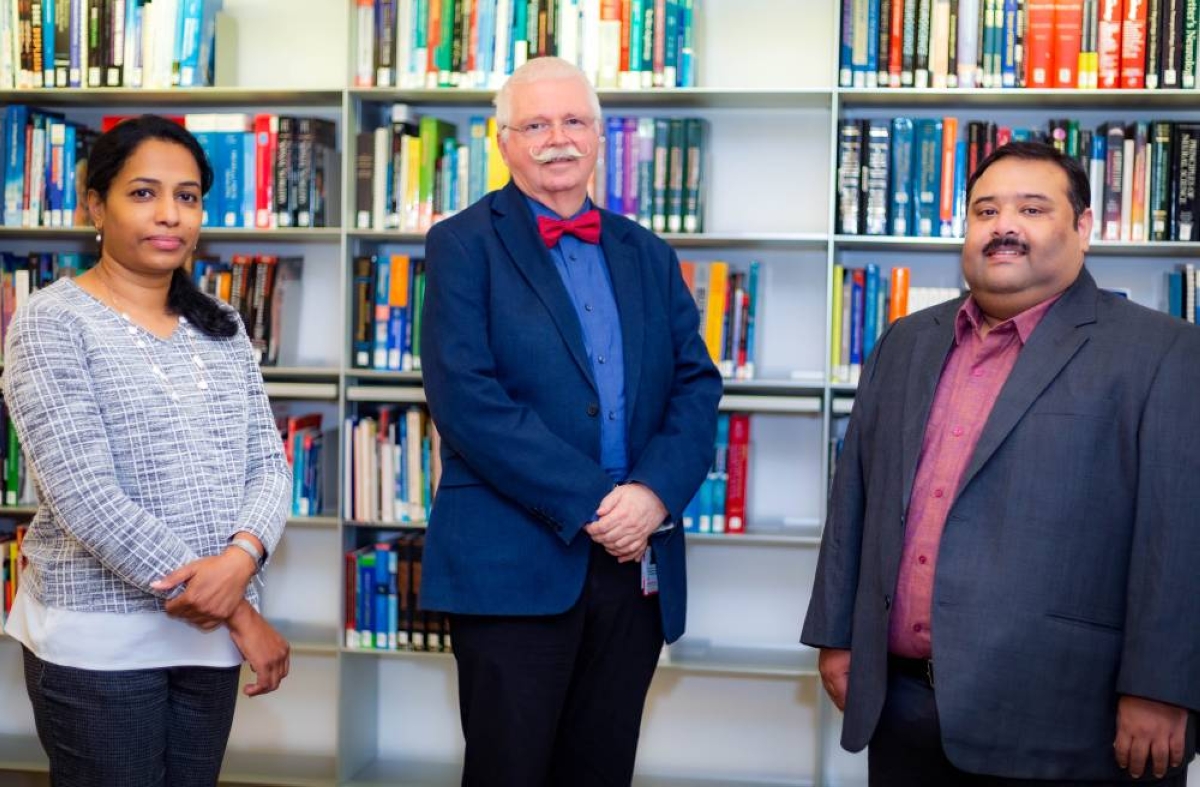
Doha, Qatar — Researchers from Weill Cornell Medicine-Qatar have delved into the impact of persistent low-grade inflammation on the increasing number of early-onset colorectal cancers (EOCRC) in a new in-depth analysis featured in the September 2026 issue of Trends in Cancer. Titled "Defying inflammation-driven early-onset colorectal cancer: predict, prevent, and personalize," the article underscores the critical role of early-life risk factors in promoting chronic low-grade inflammation (CLGI) that may contribute to the rise of EOCRC.
The researchers point out that CLGI disrupts the immune system, altering the environment that fosters tumour growth and cancer development. The growing incidence of EOCRC, particularly among young patients with no family history, emphasizes the urgent need for research focused on disease prediction, prevention, and targeted clinical interventions to enhance treatment outcomes.
The review highlights how risk factors such as lifestyle choices, metabolic diseases, metabolic diseases, and gut microbiome imbalances can disrupt immune balance, leading to CLGI. Identifying inflammation-specific biomarkers could facilitate early detection and personalized treatment strategies, potentially reducing the impact of chronic inflammation on colorectal cancer.
Dr. Samson Mathews Samuel, a co-corresponding author and research associate at WCM-Q, emphasizes that chronic inflammation, stemming from environmental pollutants, unhealthy habits, and metabolic disorders, is a significant factor in early-onset colorectal cancer. He suggests that lifestyle modifications, including anti-inflammatory diets, regular exercise, and targeted anti-inflammatory therapies, could help prevent or delay the onset of the disease and improve treatment outcomes.
Written by urgent.news from The Peninsula Qatar's reporting — not their text. Machine-written — may contain errors; check the original before relying on it.
This story
This is one outlet's version. Read the fullest account.
- WCM-Q researchers explore role of inflammation in colorectal cancer thepeninsulaqatar.com