The Houthi–Saudi conflict has the hallmarks of another major Middle Eastern war
A military response from Saudi Arabia is unlikely to bring a definitive end to the conflict, but ignoring the Houthis would be tantamount to resigning to Iranian influence on the nation’s doorstep. The post The Houthi–Saudi conflict has the hallmarks of another major Middle Eastern war appeared first on Crikey .
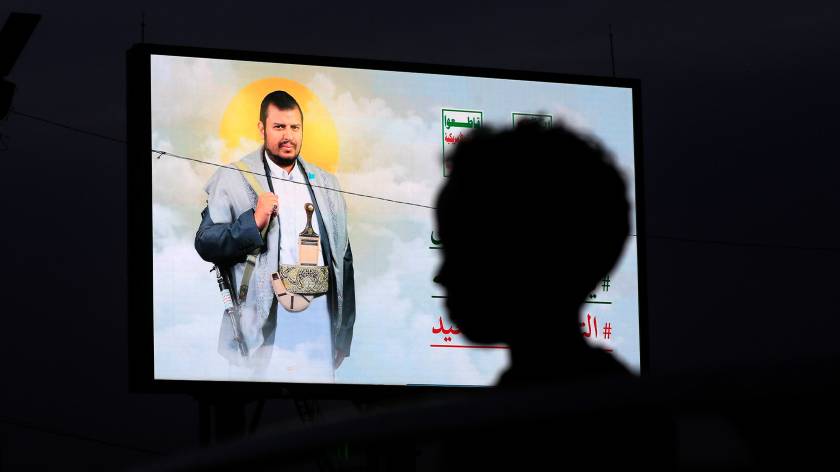
Saudi Arabia, Turkey and Pakistan are to convene an emergency summit under a defense pact to bolster the kingdom after a surge in attacks by Yemen's Houthi rebels, while Iran attempts to distance itself from the Houthi onslaught. The Houthis have been relentlessly bombarding Saudi-backed forces in Yemen and have launched a barrage of missiles and drones towards Saudi Arabia, disrupting oil exports from the world's leading energy producer.
Despite intercepting six ballistic missiles fired by the Houthi fighters, Saudi authorities have issued emergency warnings for regions including Makkah, Jeddah and the Red Sea port of Yanbu. Saudi King Salman has unequivocally denounced the Houthis as a "terrorist militia" in a rare public statement, urging soldiers to lay down their lives to eradicate the group.
The Saudi, Turkish and Pakistani foreign ministers, in accordance with the Makkah Joint Defence Agreement, have held a meeting to condemn the attacks on holy sites and other civilian areas, while reaffirming the kingdom's right to self-defense. A joint meeting of the chiefs of staff of the three nations is to be convened urgently to explore support for Saudi Arabia, as stipulated in the agreement.
Iranian President Masoud Pezeshkian, speaking on Fox News, has unequivocally distanced Iran from the Houthis, emphasizing that the group is solely responsible for its actions. The interview came after a brief attempt at diplomacy in New York, with Qatar mediating between Iran and the United States. Iran's Foreign Minister, Abbas Araqchi, proposed reopening the Strait of Hormuz if Iran's demands were met, including ending hostilities on all fronts, lifting the US blockade on Iranian ports, releasing frozen Iranian funds and waiving oil sanctions.
Tehran is currently reviewing the US response to its peace overtures. The ongoing conflict, initiated by the US and Israel in February, has claimed thousands of lives and disrupted global energy supplies, leading to a surge in oil prices. The Houthi rebels, with Iranian backing, have significantly hampered Saudi oil exports, causing a ripple effect that has impacted global oil markets.
Iran's influence on the Houthis remains a subject of debate among security experts, with conflicting accounts from Yemeni, Iranian and regional sources. Meanwhile, the US has imposed secondary sanctions targeting companies partnering with Iranian firms, potentially further isolating Tehran and exacerbating its economic crisis.
Written by urgent.news from Business Recorder's reporting — not their text. Machine-written — may contain errors; check the original before relying on it.
This story
This is one outlet's version. Read the fullest account.
- Allies unite behind Saudi Arabia as Houthis step up attacks brecorder.com
- Saudi reports fresh Houthi attacks as France offers military support gulfnews.com
- Saudi reports fresh Houthi attacks as France offers military support nst.com.my
- Oil prices rebound above US$106 as Houthi attacks revive supply fears thevibes.com
- Makkah defense pact ministers condemn attacks on Saudi Arabia, plan urgent military talks saudigazette.com.sa
- Allies unite behind Saudi Arabia as Houthis step up attacks koreatimes.co.kr
- Allies unite behind Saudi Arabia as Houthis step up attacks al-monitor.com
- Saudi Arabia, Turkey and Pakistan set to hold urgent chiefs-of-staff meeting after Houthi attacks middleeasteye.net