NASA Tests Dual Mode Propulsion CubeSat Ahead of Launch
Spacecraft propulsion traditionally relies on volatile fuels and separate, bulky systems for different types of maneuvering in space. NASA is working to change that paradigm. Engineers at NASA’s Marshall Space Flight Center in Huntsville, Alabama, recently completed a rigorous series of environmental and physical tests on a new small satellite designed to make spaceflight safer […]
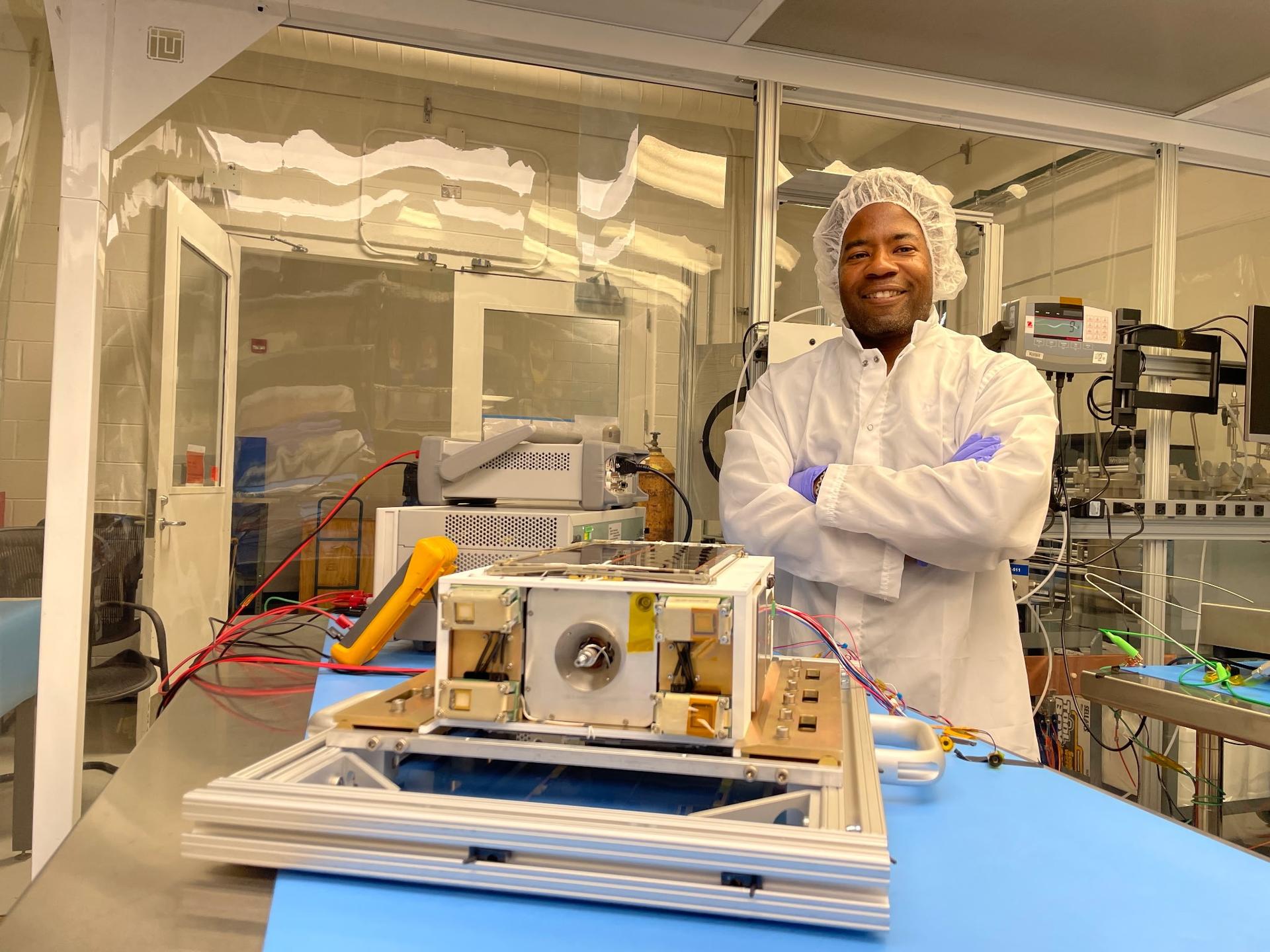
The NASA Marshall Space Flight Center in Huntsville, Alabama, recently finished testing a new small satellite named the ASCENT Propulsion Dual Mode mission. This mission aims to demonstrate a single, integrated propulsion system that uses a common fuel tank to power both high-thrust and low-thrust engines. The spacecraft, roughly the size of a large shoebox, relies on a non-toxic propellant called ASCENT to save mass and volume, freeing up space for scientific instruments and enabling smaller, less expensive rockets for future missions.
The mission's success hinges on the collaboration of multiple organizations, including NASA Marshall, MIT, Plasma Processes, and Georgia Institute of Technology. After rigorous environmental and physical tests inside NASA's Small Spacecraft Servicing and Integration Lab, the team successfully completed leak testing, spin testing, and thermal vacuum testing.
These tests verified the integrity of the spacecraft's seals, balance, and ability to operate in the harsh conditions of space. Once complete, the mission will launch on a SpaceX Falcon 9 rocket from Vandenberg Space Force Base in California, beginning a nine-month mission to demonstrate the effectiveness of the dual-mode propulsion system in space.
Written by urgent.news from NASA's reporting — not their text. Machine-written — may contain errors; check the original before relying on it.
This story
This is one outlet's version. Read the fullest account.