How Does Climate Change Impact Nor'easters?
The intense storms are becoming more intense.
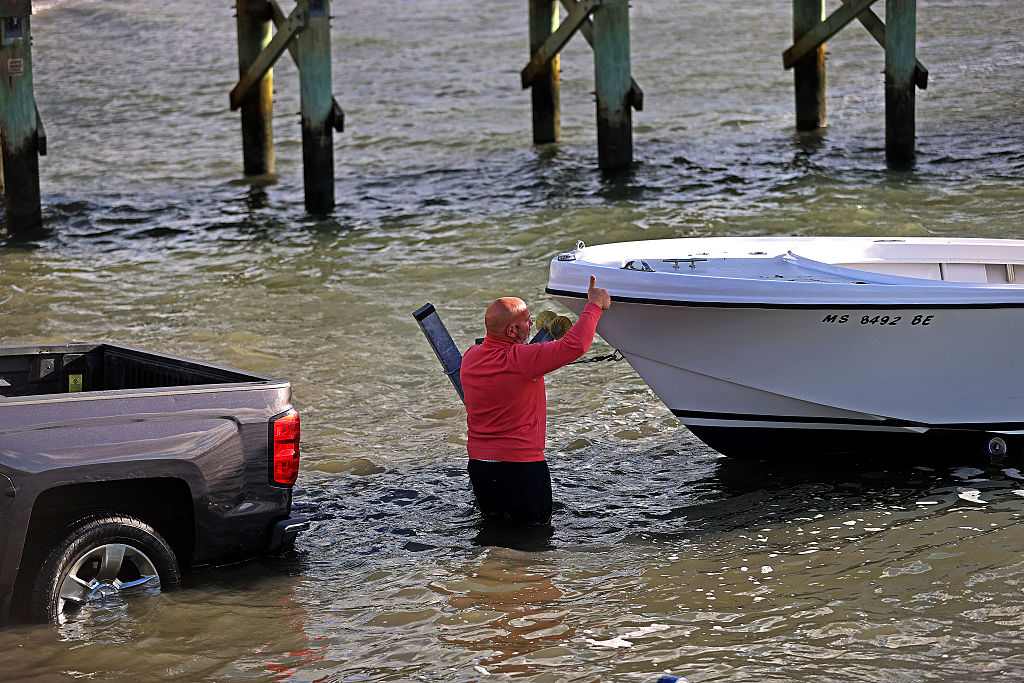
Nor'easters, named for the northeast winds that bring them, frequently impact the East Coast of the U.S. and Canada, delivering either rain or snow. These storms, which can occur at any time of the year but are most common between September and April, are characterized by their slow movement, which can build up a significant storm surge.
Michael Mann, a professor of climate science and climate change at the University of Pennsylvania, explains that nor'easters derive some of their energy from the heat of the ocean, similar to hurricanes. However, unlike hurricanes, nor'easters possess cold cores and can linger over an area for an extended period.
Scientists are still uncertain about the extent to which climate change is affecting nor'easters. Nevertheless, it is evident that these storms are becoming more intense, bringing heavier rainfall and stronger winds, which can result in even more severe storm surges, coastal flooding, and wind damage. Mann clarifies that human-induced warming leads to increased precipitation totals during these storms.
As the atmosphere warms due to greenhouse gas emissions, it can hold more moisture and release it in the form of rain when it rains, contributing to the increasing severity of extreme weather events.
Interestingly, the frequency of nor'easters remains relatively stable, with no discernible changes in the average number of storms. However, the intensity of these storms is on the rise, though the total number of storms might be decreasing slightly. Mann emphasizes that, while the overall average remains unchanged, the intensity of storms is increasing, including nor'easters.
The number of "billion-dollar disasters" in the U.S. each year, which cause at least $1 billion in damage, has been increasing. The average time between these billion-dollar disasters has shortened significantly, from 82 days in the 1980s to just 16 days in the last decade. In 2025, the U.S. experienced a billion-dollar weather or climate disaster once every 10 days.
Barlow, a professor of climate science at the University of Massachusetts Lowell, emphasizes that unless greenhouse gas emissions are halted, the intensity of rainfall and storms will continue to escalate. He asserts that until we stop exacerbating the situation, the severity of storms, including nor'easters, will persist and worsen.
Written by urgent.news from Time's reporting — not their text. Machine-written — may contain errors; check the original before relying on it.