Mary River proves Australia's most degraded catchments can be restored
Community effort transforms a degraded waterway, reducing erosion, increasing fish breeding and improving the quality of water that flows into the Great Barrier Reef.
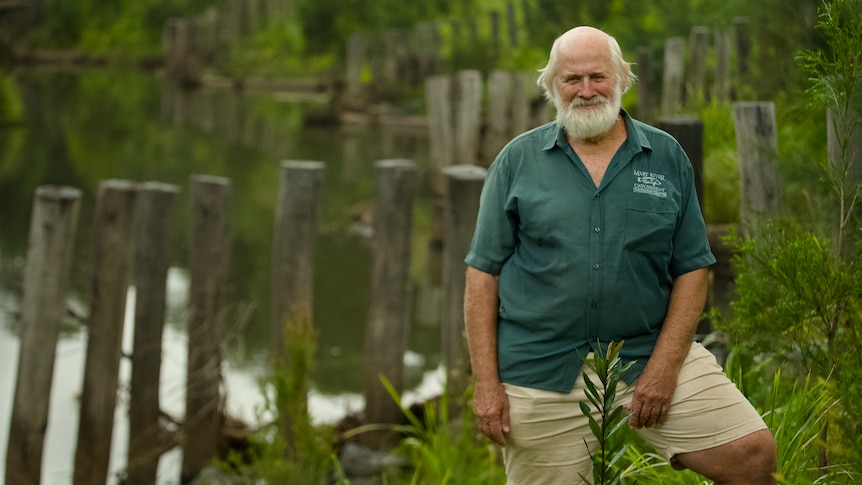
In the 1990s, the Mary River Catchment in Queensland, Australia was regarded as one of the most degraded catchments on the east coast. Decades of community effort have since improved the environment, reef, and endangered species. Peter and Elke Watson's actions stand out, as they planted thousands of trees on their land instead of cutting them down, fenced off erosion-prone waters, and installed off-stream water troughs to prevent cows from fouling waterways.
The dairy farmers of Cambroon, near Kenilworth, joined this initiative, working to repair past mistakes and restore the environment. In 2022, during the second-worst flood on record, sediment from the 310-kilometre-long Mary River smothered seagrass meadows vital to fish, turtles, and dugongs, with 66 percent of it coming from stream bank erosion.
The Mary River Catchment Coordinating Committee (MRCCC) has worked with over 850 projects to improve riparian and water health, using innovative pile field technology to reshape eroded stream banks and replant native vegetation. Volunteers test water quality regularly, and governments have committed $2 billion to improve reef water quality between 2014 and 2031.
The catchment is home to vulnerable species like the Australian lungfish, critically endangered white-throated snapping turtle, bum-breathing Mary River turtle, and endangered Mary River cod. Efforts to protect these species include banning line fishing during breeding season and installing ethically sourced cod logs as nesting sites.
Bulk water authority Seqwater is also improving the quality of drinking water pumped from the river by tackling invasive plants and upgrading effluent systems. The multi-pronged approach has proven effective, with nutrient levels dropping by 1,000-fold during flood events.
Written by urgent.news from ABC News AU's reporting — not their text. Machine-written — may contain errors; check the original before relying on it.