China overtakes US as top workplace for elite AI researchers, study finds
For China’s elite artificial intelligence researchers, Silicon Valley no longer holds the unrivalled appeal it once did. A growing number are opting to stay home to build their careers, helping China overtake the United States as the leading workplace for top-tier AI talent, according to a study released this week by the think tank Carnegie China. China employed 41 per cent of the world’s leading…
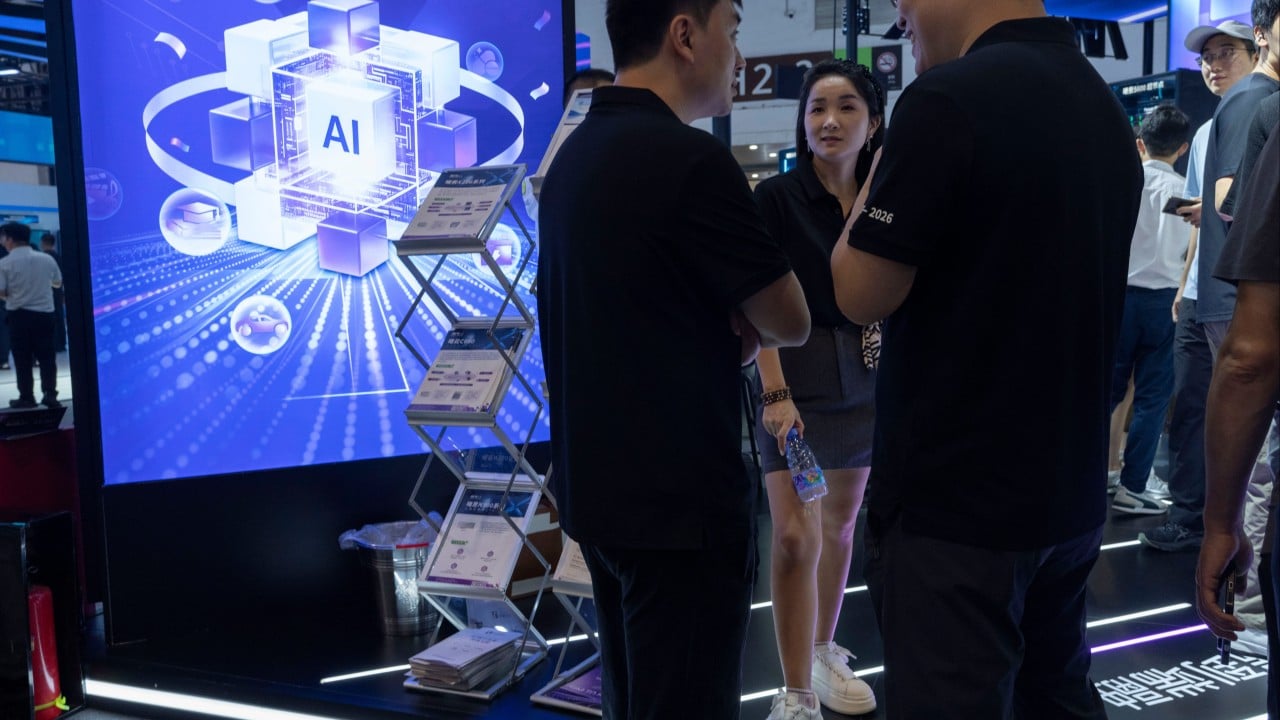
China has emerged as the leading destination for top AI researchers, surpassing the United States according to a new study published by the Carnegie China think tank. The study, titled "Who's Ahead in the Global AI Talent Race", reveals that China now employs 41% of the world's leading AI researchers, while the US holds the second spot with 34%. This marks a significant shift from 2022 when the US dominated with 46% compared to China's 27%.
The reversal in AI talent distribution points to a broader competition between Beijing and Washington for supremacy in cutting-edge technologies. Damien Ma, director of Carnegie China and co-author of the report, explained that the shift is a combination of both factors. China's AI industry has developed rapidly, backed by prominent companies like DeepSeek and Moonshot AI, offering compensation comparable to Silicon Valley.
China remains the largest source of AI expertise, with 57% of elite AI researchers earning their undergraduate degrees in the country last year, up from 46% in 2022. Domestic graduates are also contributing to China's AI workforce, with 69% of researchers who completed their undergraduate studies in China working in the country last year, compared to 57% in 2022.
While China is attracting more top AI talent, the US remains the primary destination for researchers who choose to work abroad. The report notes that the share of US-based AI researchers with degrees from Chinese universities increased by 4 percentage points last year, indicating that American employers continue to attract top Chinese talent seeking international opportunities.
However, cross-border mobility for AI researchers faces increasing barriers as both countries tighten their scrutiny on technology transfers and national security risks. The US has restricted visas for some Chinese graduate students and researchers associated with Beijing's "military-civil fusion" strategy, while China imposed new rules on September 15 restricting Chinese citizens from leaving the country if their actions threaten national industrial or technology security.
These measures come amid China's efforts to strengthen its domestic AI ecosystem in response to tightened US export controls on advanced chips and specialized hardware.
Written by urgent.news from SCMP Tech's reporting — not their text. Machine-written — may contain errors; check the original before relying on it.
This story
This is one outlet's version. Read the fullest account.