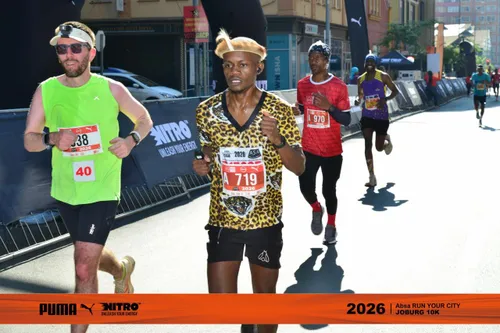
How I used AI to train for the Run Your City Joburg 10k - and why it failed me
After IOL Sport’s Michael Sherman missed his sub-40 10k target at the Absa Run Your City Tshwane 10, he turned to AI to rebuild his training plan, only to discover that digital encouragement can't replace physical preparation.
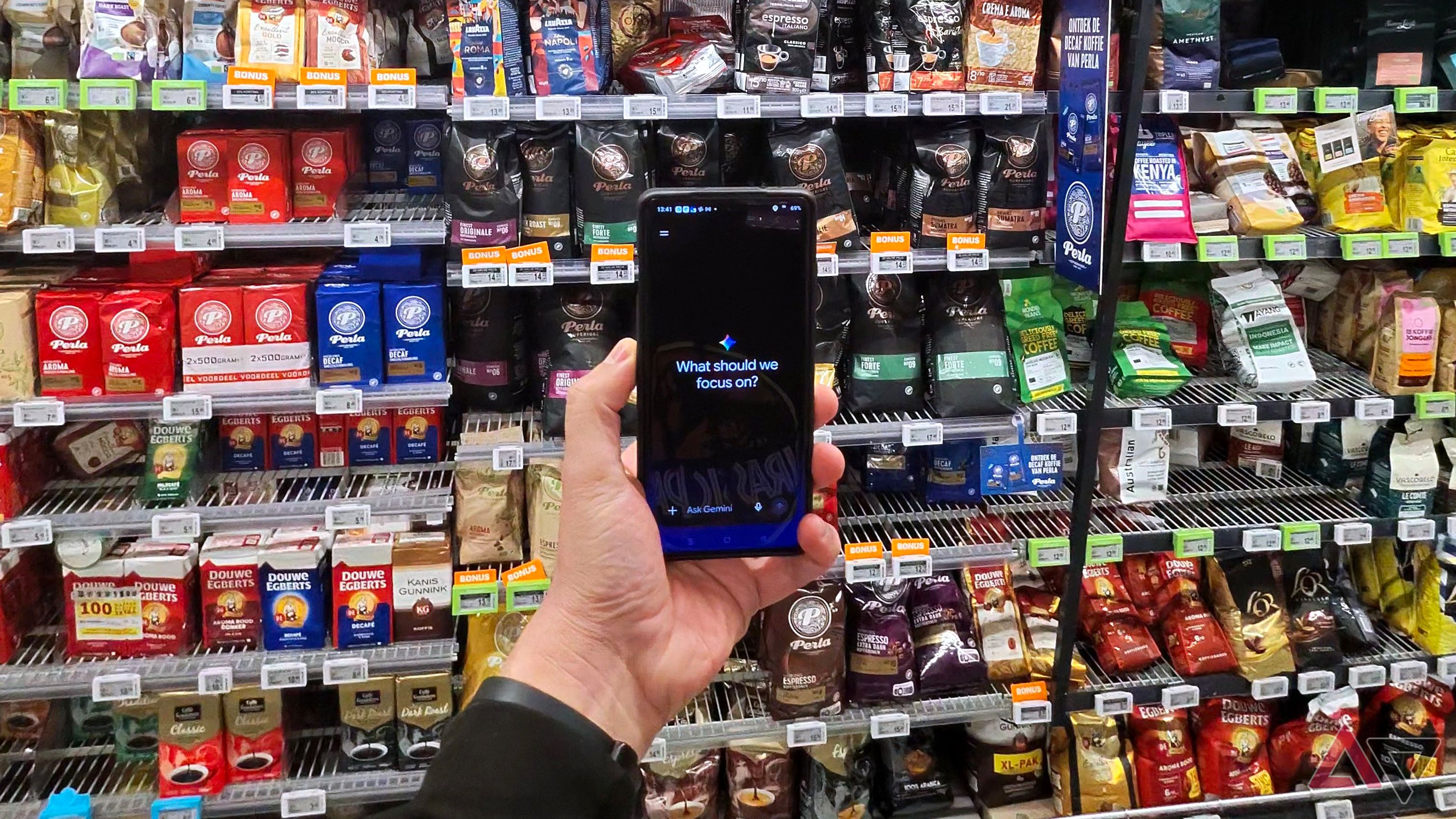
After coming down with the flu just two days after finishing the Tshwane 10k on August 23, I found myself unable to train for the upcoming Absa Run Your City Joburg 10k on September 24. Desperate to find a solution, I turned to my AI assistant, Google Gemini, for guidance on my recovery and training plan. For four days, I constantly sought advice from Gemini on topics such as timing, mileage distribution, and when it would be safe to resume training.
Eventually, I began asking the AI to generate complete weekly training schedules and program specific sessions into my calendar. While I experimented with a few unconventional training techniques, the overall plan leaned heavily on a cautious approach that likely stemmed from my pre-existing injury concerns. Gemini's responses often felt like a supportive echo chamber, consistently reinforcing what I already desired to hear.
Ultimately, the success of any race hinges on rigorous physical preparation, and a well-meaning narrative cannot alter the demands placed upon the body during a race. On race day in Joburg, I found myself completely unfit for the challenge, a result of not having adequately prepared myself. The scorching heat and steep course proved to be too much, leaving me utterly exhausted before even fully committing to the race.
Six weeks from now, I plan to return to my trusted 25-year experience-based training methods for building solid, uninterrupted training blocks. While I may still seek occasional tips or quick reference from Gemini, I will no longer place excessive reliance on the AI. Gemini provided much-needed mental encouragement, but it ultimately lacked the essential physical readiness I required to successfully complete the race.
Written by urgent.news from IOL's reporting — not their text. Machine-written — may contain errors; check the original before relying on it.