La desafortunada Wizz Air acierta al cortarse las alas
Abandona sus antiguas ambiciones de crecimiento y adopta una estrategia más prudente tras años de contratiempos
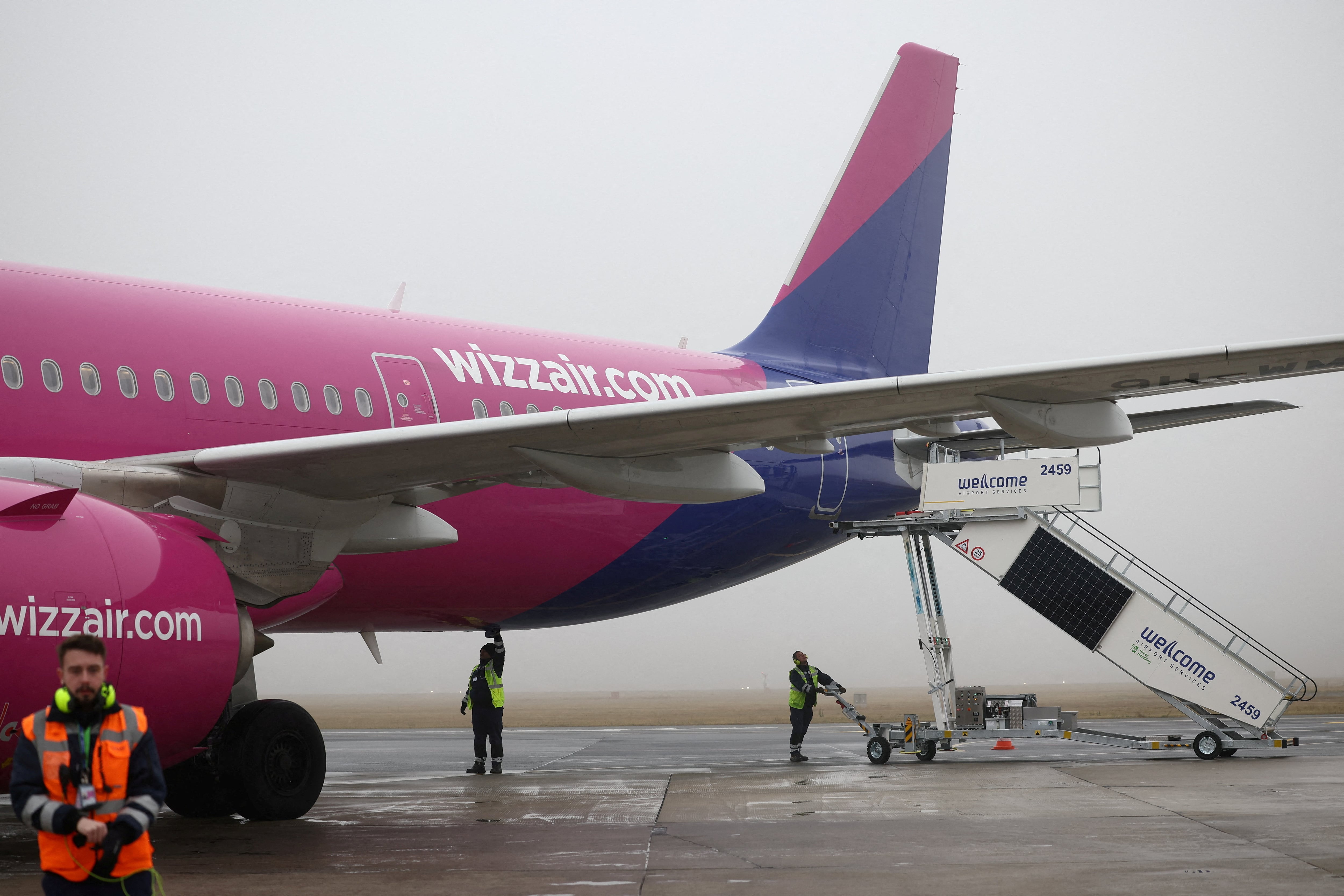
It is difficult to find a European major airline with worse luck than Wizz Air. In the late 2010s, its shares traded above 30 pounds per share (34 euros) and enjoyed operating margins of 10%-20%. Then a series of setbacks sank it more than two-thirds. Like all airlines, it suffered during the pandemic. But it also had a significant presence in Ukraine before the invasion, and in Israel before 2023.
Most damagingly, it was one of the biggest users of Pratt & Whitney GTF engines, which had to undergo mass inspections and caused numerous aircraft to be grounded due to a manufacturing problem. In 2019, Wizz recorded an operating profit of 300 million euros and a revenue increase of 20%. In 2025, those figures were 168 million and a 4% increase, respectively.
Wizz has always had potential. Its Airbus A321neo offer low costs per passenger. And its strength in Central and Eastern Europe favors higher growth rates. In 2024, it still advocated a plan aiming to reach 500 aircraft, with around 450 expected by 2030. It also highlighted opportunities in distant markets like India. The 2024 annual report listed achieving a net profit margin of 13%-15% among its "objectives", which in practice meant aspiring to pre-pandemic levels.
Its new plan fits better with tougher times. It aims for 10 billion in revenues by 2030, a 10% operating margin, and a fleet of 335 aircraft, while emphasizing its bet on Central and Eastern Europe. It is not resting on fantasies like becoming a luxury brand. Instead, it is aiming to get more out of each passenger through slower growth in capacity.
The good news is that it is not the only one cutting its wings: major U.S. carriers like United Airlines are reducing flights despite demand resistance, prioritizing margins. Wizz's own 5% capacity cut from October to March mirrors a similar announcement by Ryanair. The bad news is that Wizz's net debt still exceeded four times its EBITDA at the end of June, and future war in Central and Eastern Europe could erupt.
Despite this, with shares over 9% above the level before the new plan, compared to 2% for the Stoxx Europe Airlines, investors seem to appreciate this new tone. The authors are Reuters Breakingviews columnists. Opinions are their own. Translation by Carlos Gómez Abajo is the responsibility of CincoDías.
Written by urgent.news from El Pais Economia's reporting — not their text. Machine-written — may contain errors; check the original before relying on it.