Can Trump legally ban media outlets from White House? DOJ says yes — here's what happens next
In a court filing, the DOJ defended Trump's ban on three news outlets, asserting that White House access is a privilege tied to national security. The outlets are suing, arguing the ban infringes on their First Amendment rights and violates due-process principles.
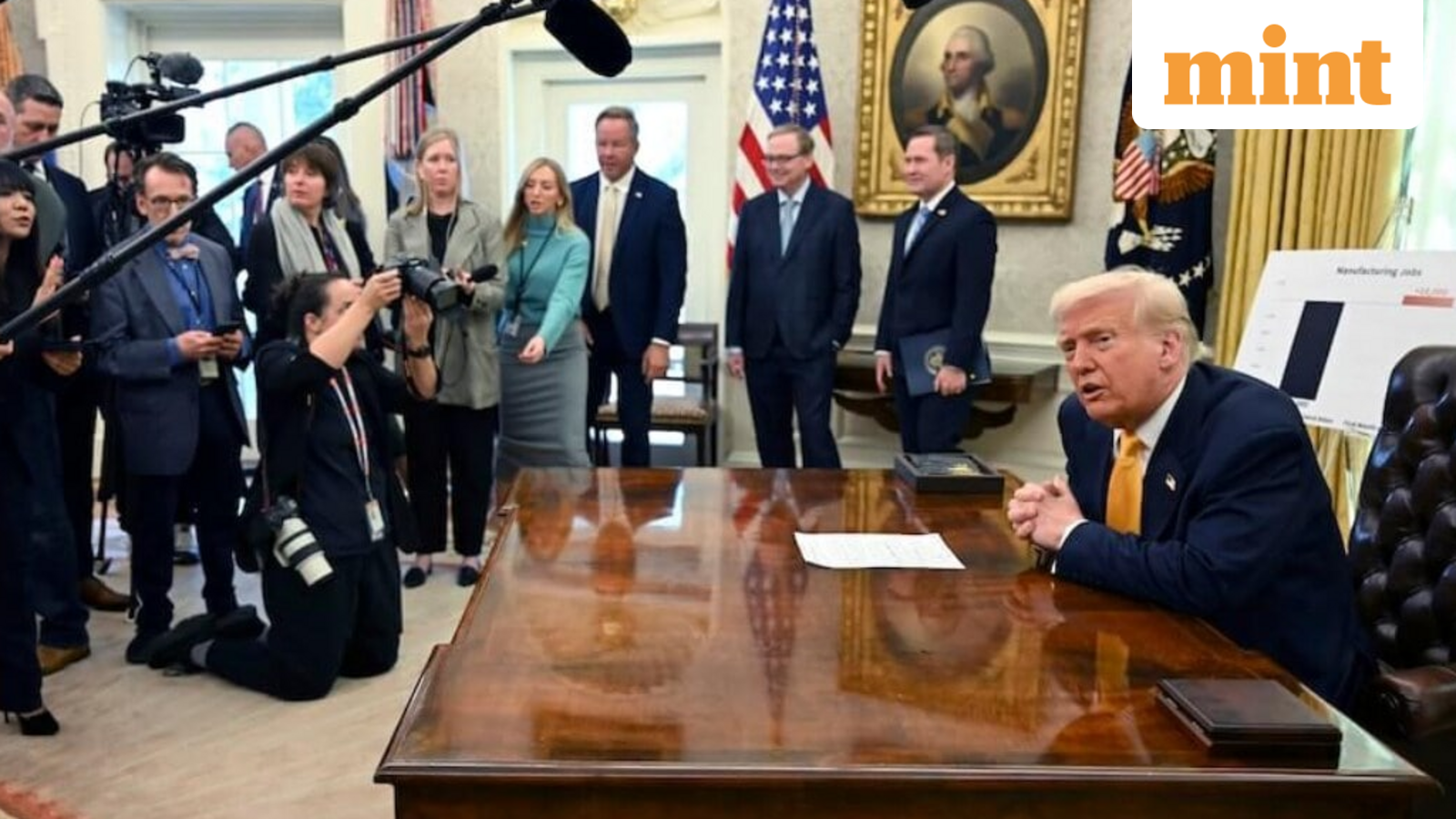
The US Department of Justice (DOJ) has argued before a federal judge that President Donald Trump's decision to ban three news outlets from the White House is justified, asserting that access to the White House is a privilege, not a right. The courts were scheduled to hear arguments on Wednesday regarding the ban, which was imposed by Trump after the outlets - CNN, MSNBC, and Politico, published what he deemed as "FAKE NEWS".
The DOJ claims this is to protect national security, alleging the outlets reported classified or sensitive information. The three news organizations have filed a lawsuit in response, arguing that the ban is unlawful retaliation for their constitutionally protected speech and violates their due process rights. Legal experts have also raised concerns over the constitutionality of the decision, with First Amendment expert Lucy Dalglish asserting that once access is granted, the government cannot restrict it based on viewpoint or content.
The Trump administration maintains that the affected news organizations can report from outside the White House premises, and that they should not demand access to the Oval Office. The White House Correspondents' Association and First Amendment experts have also criticized the decision, calling it unconstitutional.
Written by urgent.news from Live Mint's reporting — not their text. Machine-written — may contain errors; check the original before relying on it.