This UN week, Bill Gates is touting a new coalition that aims to make AI more inclusive
Bill Gates told his foundation’s Goalkeepers gathering that “increased generosity” and “the smart use of AI ” together could accelerate the fight against inequality , urging the world’s richest countries to expand international aid and apply artificial intelligence toward what he considers “lifesaving innovations.” “We failed to build in the right human values and ways of keeping our moral code…
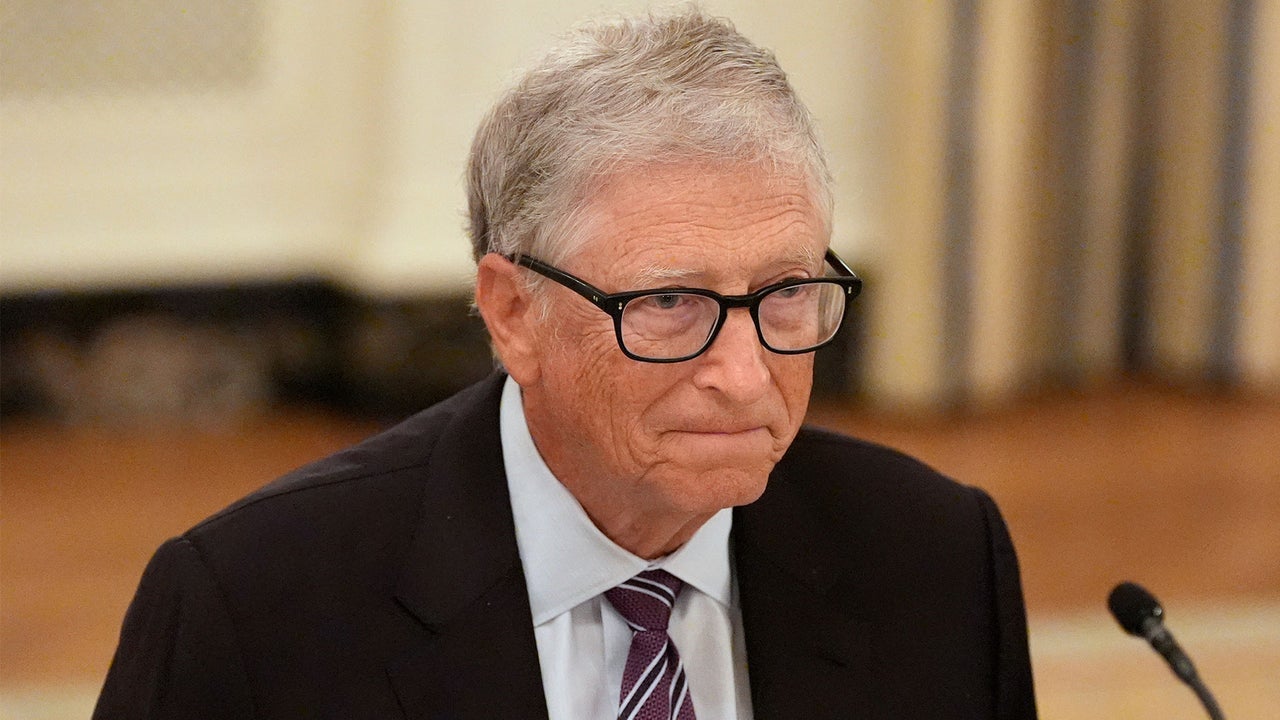
Bill Gates, chair of the Bill & Melinda Gates Foundation, highlighted the potential of "increased generosity" and "the smart use of AI" in his Goalkeepers gathering to accelerate the fight against inequality. He emphasized the need for the world's wealthiest countries to expand international aid and use AI for "lifesaving innovations."
However, the Gates Foundation noted that 26 of the world's 34 wealthiest nations decreased development aid to poorer countries last year. During a conversation with political commentator Van Jones at Jazz at Lincoln Center in New York, Gates stressed that the foundation's annual event, usually held during United Nations high-level meetings, had to remind everyone that progress on the sustainable development goals is "slow and uneven."
The foundation showcased several educators, farmers, and health workers who utilized AI to address learning gaps, pest infestations, and improve patient records. Furthermore, it unveiled a new coalition of 60 organizations, including Anthropic, Google, OpenAI Foundation, and numerous others, aiming to make AI more accessible in underrepresented languages. This coalition intends to reach over 3 billion people within the next five years by coordinating existing efforts.
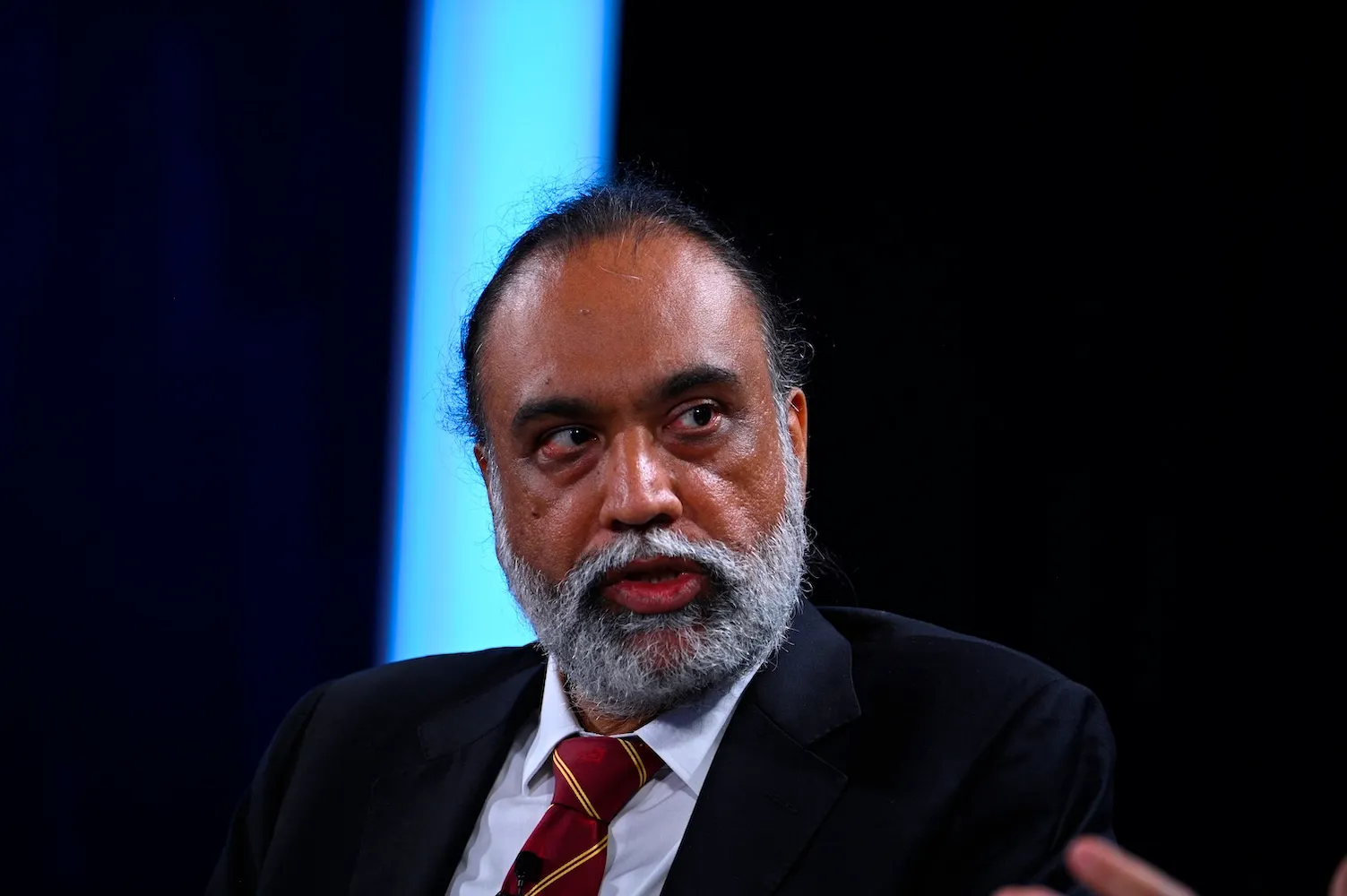
Mark Suzman, the CEO of the Gates Foundation, underscored the urgency of the endeavor, stating that it must proceed at "full speed ahead," even as some of the largest AI companies advocate for a slower pace of development. Suzman also urged governments to regulate AI's impacts on cybersecurity and children's development while expanding its humanitarian applications to impoverished communities currently "shut out" from the technology.
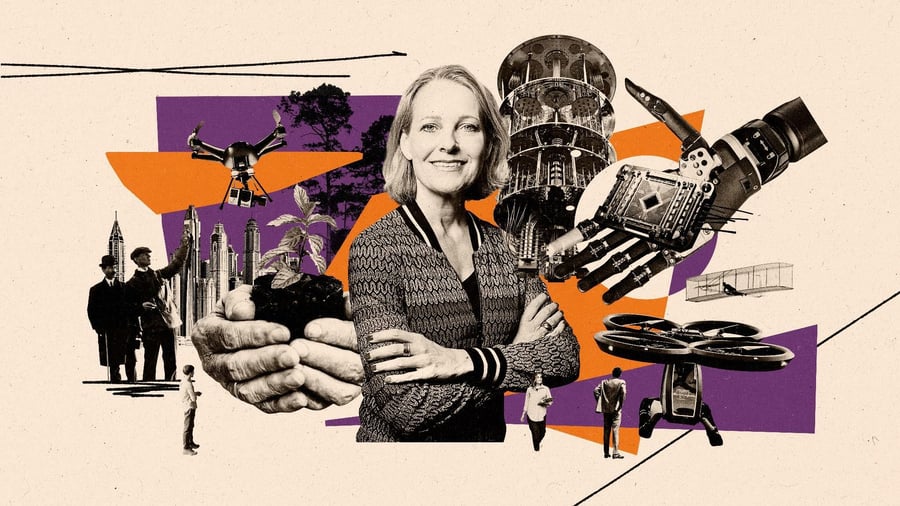
The coalition aims to tackle the issue of unrepresentative language data, which could lead AI models to mistranslate or misinterpret critical information. Mozilla Data Collective CEO E.M. Lewis-Jong emphasized that many AI tools were trained on language data scraped from the internet, which lacks cultural and linguistic diversity. She stressed that the internet is not a representative space, and thus, data should be uploaded by communities on their terms rather than being taken from the web without explicit consent.
The coalition's governance is still being determined, but a secretariat will monitor each signatory's commitments, and the Gates Foundation may intervene if necessary. Google, a coalition member, is funding an effort to gather over 150,000 hours of audio across India's districts, known as Project Vaani. This initiative highlights the importance of collecting dialectal speech data within languages.
Anthropic, another coalition member, has been collaborating with the foundation to expedite vaccine development and enhance its chatbot's data set of local crops.
Written by urgent.news from Fast Company's reporting — not their text. Machine-written — may contain errors; check the original before relying on it.