Sri Lanka court to deliver verdict in trial over 2019 Easter Sunday bombings
COLOMBO, Sept 22 — Sri Lanka is set to conclude on Tuesday the trial of 24 men accused of plotting the 2019 Easter...
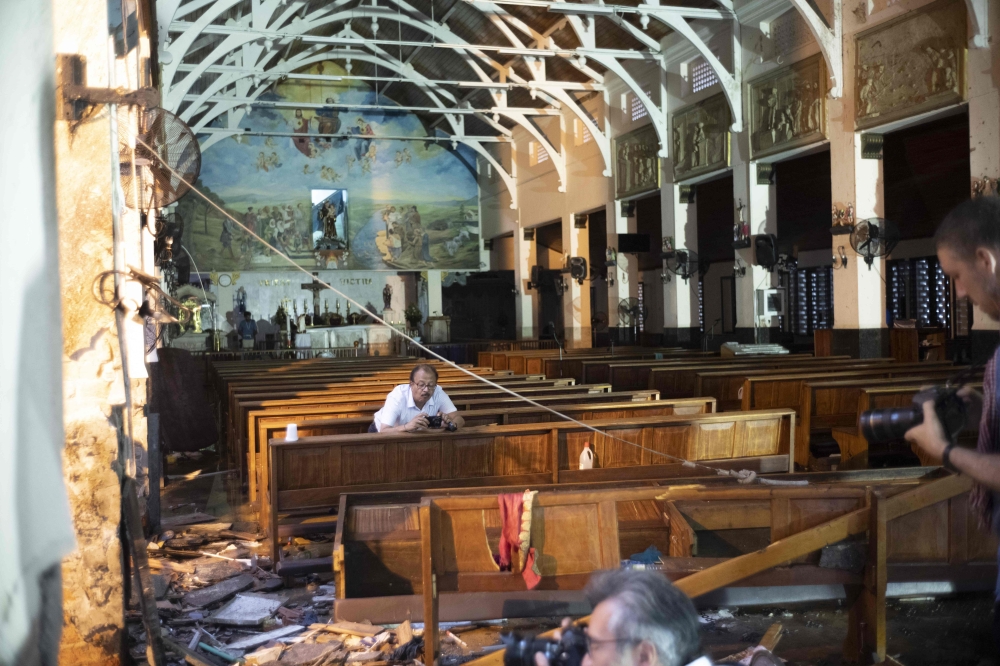
On September 22, Sri Lanka's High Court is scheduled to deliver the verdict in the trial of 24 men accused of masterminding the 2019 Easter Sunday bombings, the deadliest attack on civilians in the country's history. The suicide bombers targeted three luxury hotels and three churches on April 21, 2019, leaving 279 people dead, including 45 foreigners. The attackers are believed to be part of a homegrown Islamist extremist group.
One of the 25 indicted men has died in custody, leaving 24 defendants to face trial. The hearing is set to begin at 9:30 am (0400 GMT) at the High Court of Colombo. Police have announced that strict security measures will be implemented around the court complex in anticipation of the verdict, the first time someone will be sentenced for direct involvement in the attack.
This trial has already set a precedent in Sri Lanka, with prosecutors filing an unprecedented 23,270 charges, the highest ever in a single case. These charges encompass murder, conspiracy to commit terrorism, and possession of firearms and explosives under the Prevention of Terrorism Act. The alleged ringleader, identified as Mohamed Naufar, provided support to the eight-member suicide squad responsible for the bombings. All defendants have maintained their innocence.
If convicted, some defendants could face the death penalty, despite the fact that Sri Lanka has not executed anyone since 1976 and capital punishment is usually commuted to life imprisonment. The possibility of capital punishment became a topic of discussion in July when two security officials were sentenced to death in a separate case for not preventing the attacks despite receiving intelligence warnings.
Three of the defendants currently in custody were also charged by US authorities with terrorism-related offenses linked to the bombings in December 2020. Among the fatalities were five Americans, including a Commerce Department employee who was in Colombo on official business. Other foreigners who lost their lives included citizens from Australia, Bangladesh, China, Denmark, India, Japan, the Netherlands, Portugal, Spain, Sweden, Switzerland, Turkey, and the United Kingdom.
The trial has taken place amid a separate and sensitive investigation into allegations that elements of the Sri Lankan state may have had connections to those responsible for the attacks. Former intelligence chief Suresh Sallay is in custody, accused of orchestrating the bombings, a claim he denies. Public Security Minister Ananda Wijepala stated in June that investigators believe Sallay was the "mastermind" behind the attacks and had collaborated with Islamist extremists prior to the bombings.
Investigations suggest that the network was created to generate a security threat that would bolster political support for the Rajapaksa family, which returned to power following the attack. Gotabaya Rajapaksa, a former defense chief known for his role in crushing Tamil separatist rebels in 2009, was elected president shortly after the incident.
The Rajapaksa camp has rejected allegations of state involvement, acknowledging that Islamist militants were used as intelligence assets during the civil war, but maintaining that they had double-crossed their handlers and executed the 2019 attack independently.
Written by urgent.news from Malay Mail's reporting — not their text. Machine-written — may contain errors; check the original before relying on it.