Sri Lanka to issue verdict in Easter attack trial
Sri Lanka is set to conclude the trial of 24 men accused of plotting the 2019 Easter Sunday bombings, the deadliest attack against civilians in the island's history.
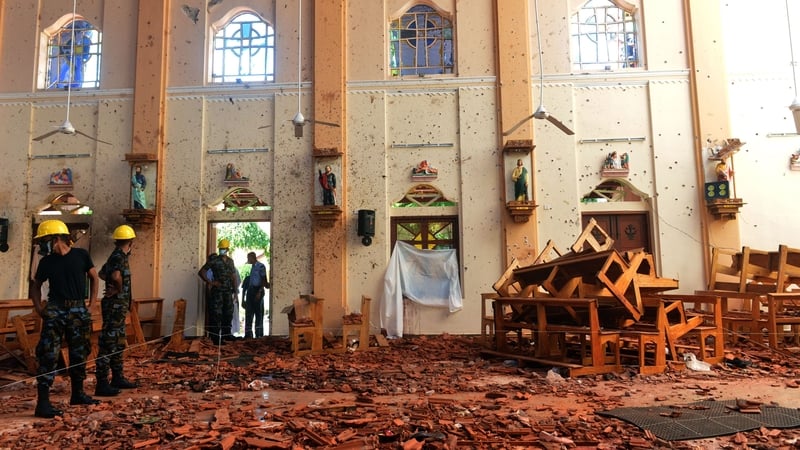
Sri Lanka is preparing to announce the verdict in the trial of 24 men accused of orchestrating the 2019 Easter Sunday bombings, an incident that remains the deadliest terrorist attack on the island nation's civilians. On April 21, 2019, a group of bombers targeted three luxury hotels and three churches, killing 279 souls, among them 45 foreigners.
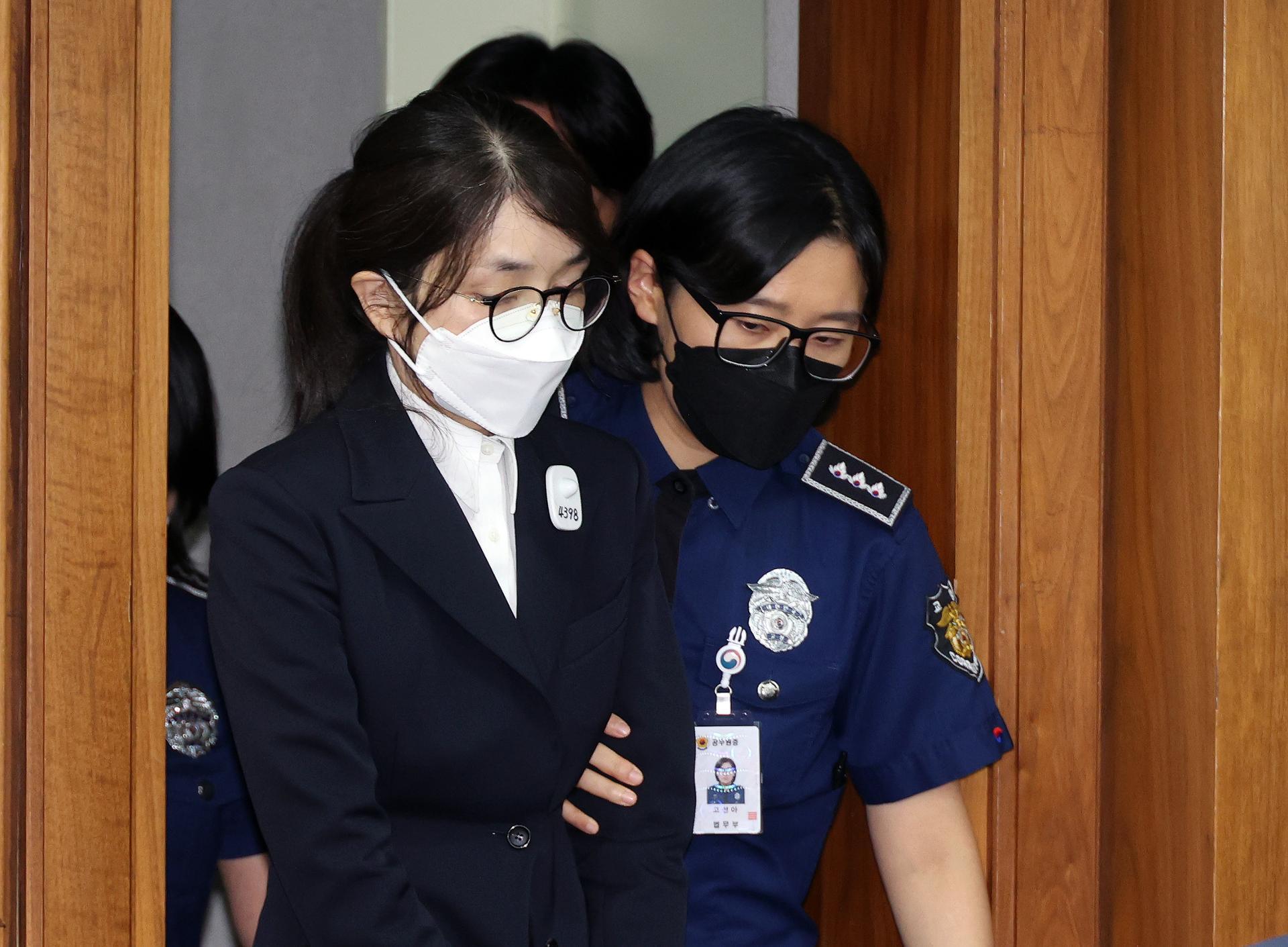
Authorities attribute the attack to a homegrown Islamist extremist group, with 25 men indicted in connection to the assault, all hailing from Sri Lanka's Muslim minority. One of these defendants has passed away in custody, leaving 24 to face trial. The proceedings are slated to commence at 9:30 AM local time (5 AM Irish time) at the High Court in Colombo.
The police have announced heightened security measures surrounding the court complex due to the gravity of the case - the first ever sentencing for those directly involved in this attack. The legal case has broken new ground in Sri Lanka, as prosecutors have amassed a staggering 23,270 charges against the accused, encompassing murder, conspiracy to commit terrorism, and the unlawful possession of firearms and explosives under the Prevention of Terrorism Act.
Among the charges, prosecutors have singled out Mohamed Naufar as the alleged ringleader who supported the eight-man squad responsible for the coordinated bombings. Should the defendants be found guilty, they could potentially face the death penalty, a measure that has not been implemented in Sri Lanka since 1976, though capital punishment is often commuted to life imprisonment.
In July, two security officials implicated in the case received death sentences for their failure to prevent the attacks despite receiving intelligence warnings. Three defendants currently in Sri Lankan custody have also been charged by US authorities with terrorism-related offenses linked to the bombings in December 2020. Among the deceased are five Americans, including a Commerce Department employee who was in Colombo on official business.
The trial unfolds amid the backdrop of a sensitive investigation probing potential links between elements of the Sri Lankan state and those responsible for the attacks. Former intelligence chief Suresh Sallay is currently in custody, facing accusations of orchestrating the bombings, a claim he vehemently denies. Public Security Minister Ananda Wijepala told Parliament in June that investigators suspected Sallay was the mastermind behind the attacks and had previously collaborated with Islamist extremists prior to the bombings.
The network allegedly cultivated by Sallay aimed to generate a security threat, thereby bolstering political support for the Rajapaksa family, which reclaimed power after the attack with Gotabaya Rajapaksa becoming president. Court filings suggest investigators believe the objective was to instigate chaos and present Rajapaksa, a former defense chief renowned for his success in quelling Tamil separatist rebels in 2009, as the most suitable leader to restore security.
The Rajapaksa camp has dismissed allegations of state involvement, acknowledging the past utilization of Islamist militants as intelligence assets during the civil war that culminated in 2009. However, supporters assert that these militants had defected from their handlers and perpetrated the 2019 attack independently.
Written by urgent.news from RTE News's reporting — not their text. Machine-written — may contain errors; check the original before relying on it.
This story
This is one outlet's version. Read the fullest account.