Googlebook hands-on: What makes a laptop, a laptop? [Video]
After a protracted wait, the first wave of Googlebooks is now official . Having spent a brief period testing, here’s what it’s like to use one. more…
![Googlebook hands-on: What makes a laptop, a laptop? [Video]](/img/8923111)
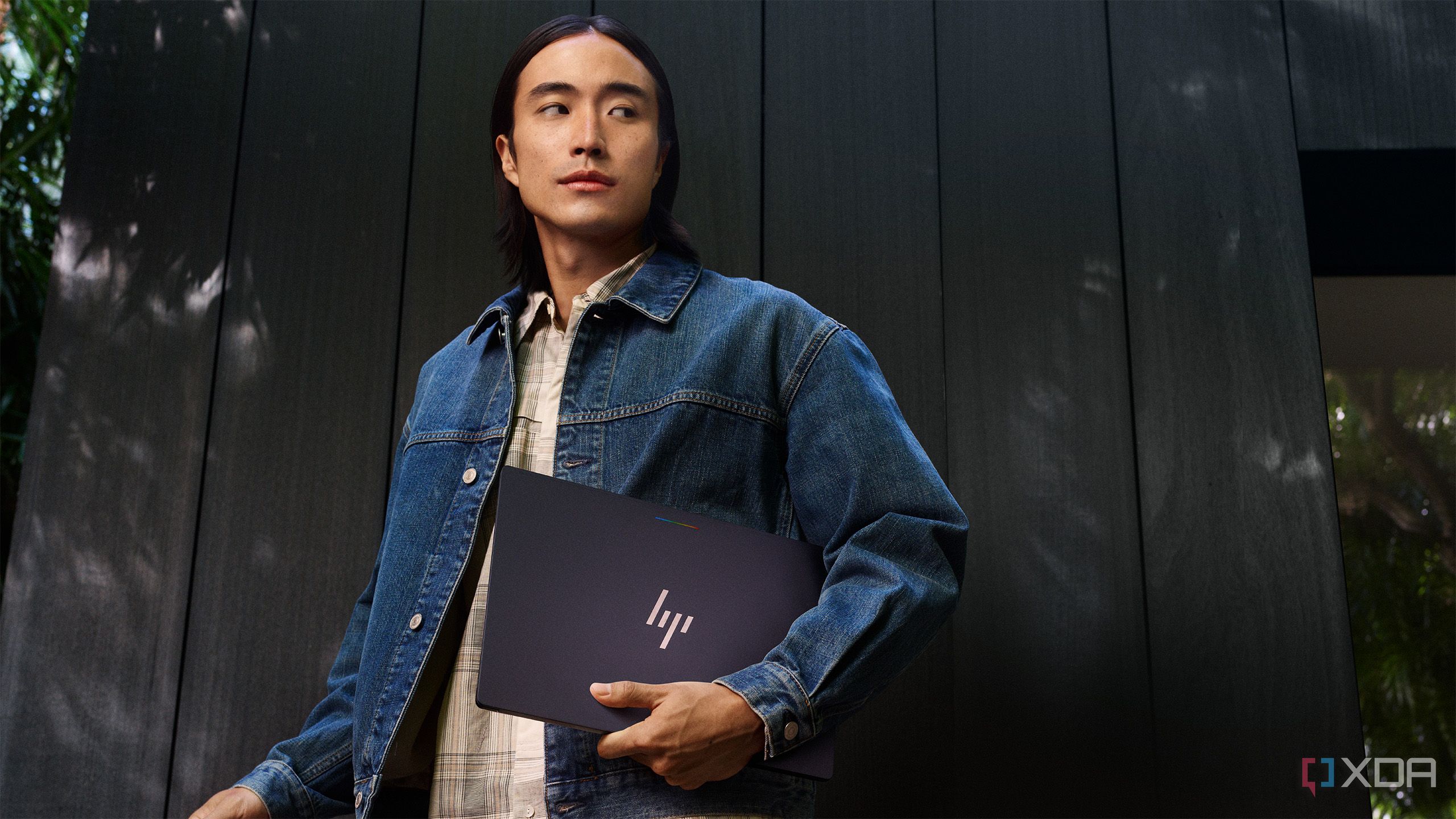
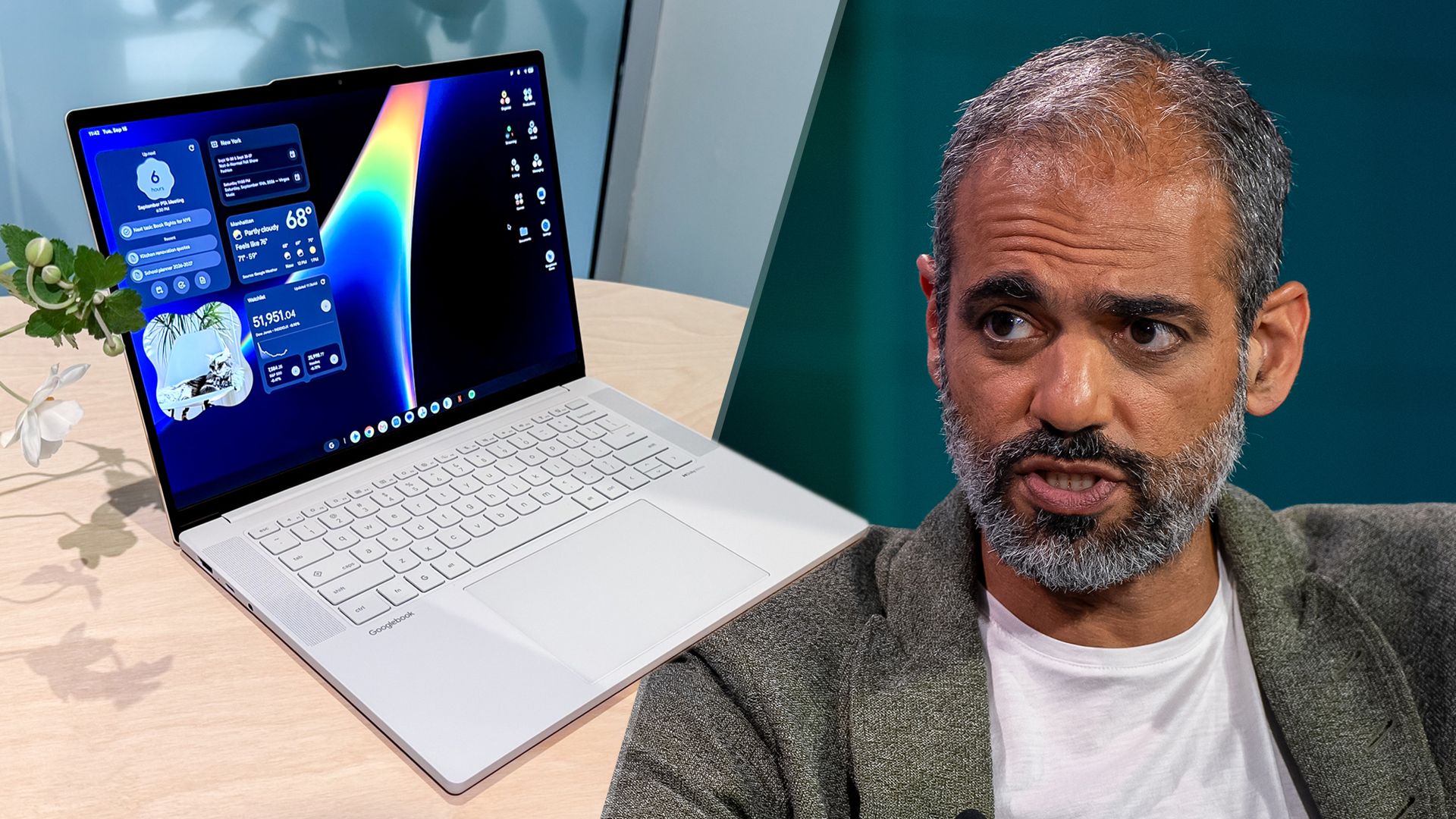
Google has recently introduced a new range of laptops called Googlebooks, after months of anticipation. I got to test these devices and here's my take on what sets them apart. The software experience is covered in detail by my colleague Abner, but I'll focus on the hardware side. Overall, my initial concerns were mostly alleviated, with a few minor issues regarding two specific devices. The lineup exceeded my low expectations, despite the mixed reactions surrounding the launch.
The prices start at $899, but this comes with an advantage of higher quality compared to the cheaper Chromebooks. I tested five devices, each with its own strengths. The Dell XPS and HP Googlebook stood out, offering the best user experience. Among the five laptops, each has its own merits, with ASUS, Lenovo, and Acer's Googlebooks providing decent alternatives.
One standout feature is the Lenovo's Googlebook 15, which boasts a bright HDR display and impressive touch screen capabilities. Surprisingly, all the laptops have excellent touchscreens that run at 120Hz, unlike the usual 60Hz screens seen in Chromebooks and MacOS. Android's touch interface turns the Acer Googlebook 14 into a top-tier touchscreen laptop-tablet hybrid. However, I did notice some greasy fingerprints after a short while of use.
The laptops use Intel Core Ultra "Pantherlake" chips from Lenovo, ASUS, and Acer, while Dell and HP opted for the Snapdragon X Elite chipset. All devices come with at least 16GB of RAM, though some models offer up to 32GB. The touchpads are impressive, although they don't quite match the haptic feedback found in MacBooks. The keyboards are tight and responsive, making typing a pleasant experience.
The lightbar on the Googlebook from Dell is a unique branding feature, but it doesn't offer much functionality yet. However, Google plans to open it up to developers, which could improve the overall user experience. Notably, the Dell XPS Googlebook is the first laptop from the company to come without Windows pre-installed, signaling a shift in strategy. Overall, the Googlebooks offer a solid performance and a high-quality user experience, which bodes well for the future of Chromebooks.
Written by urgent.news from 9to5Google's reporting — not their text. Machine-written — may contain errors; check the original before relying on it.
This story
This is one outlet's version. Read the fullest account.
- Hands-on with Googlebooks — Five models, the new Googlebook OS, and a Mac-style experience for Android users at premium prices tomshardware.com
- Meet the Googlebook — I tried Google's new answer to the MacBook that combines ChromeOS with Android, and this could be the start of something big techradar.com
- Inside the Googlebook: I asked the head of Android why people will pay a premium for its new MacBook alternative tomsguide.com
- Googlebook OS hands-on: It’s Android, stupid 9to5google.com
- Premium materials and striking design set Googlebook apart blog.google
- Googlebooks launch October 4 starting at $899—here are the five models you can preorder today arstechnica.com
- Hands-on with Googlebooks: Acer, Asus, Dell, HP, and Lenovo flagships mashable.com
- Google's Googlebook OS, built on Android with a Material 3 Expressive and ChromeOS hybrid UI, offers deep Android 17 integration, 10 years of support, and more (Dominic Preston/The Verge) theverge.com