Urja Trust Creates Safe Spaces for Young Women Facing Homelessness and Gender-Based Violence (VIDEO)
Before URJA Trust came into existence, co-founders Altaf Shaikh and Deepali Vandana were part of an organisation that was working with homeless women on the streets. When that organisation was shutting down, they faced a choice: let the work end or find a way to continue it. “We didn’t want this work to close down and so we established URJA Trust (UT) in 2014,” says Shaikh. The women who reach UT…
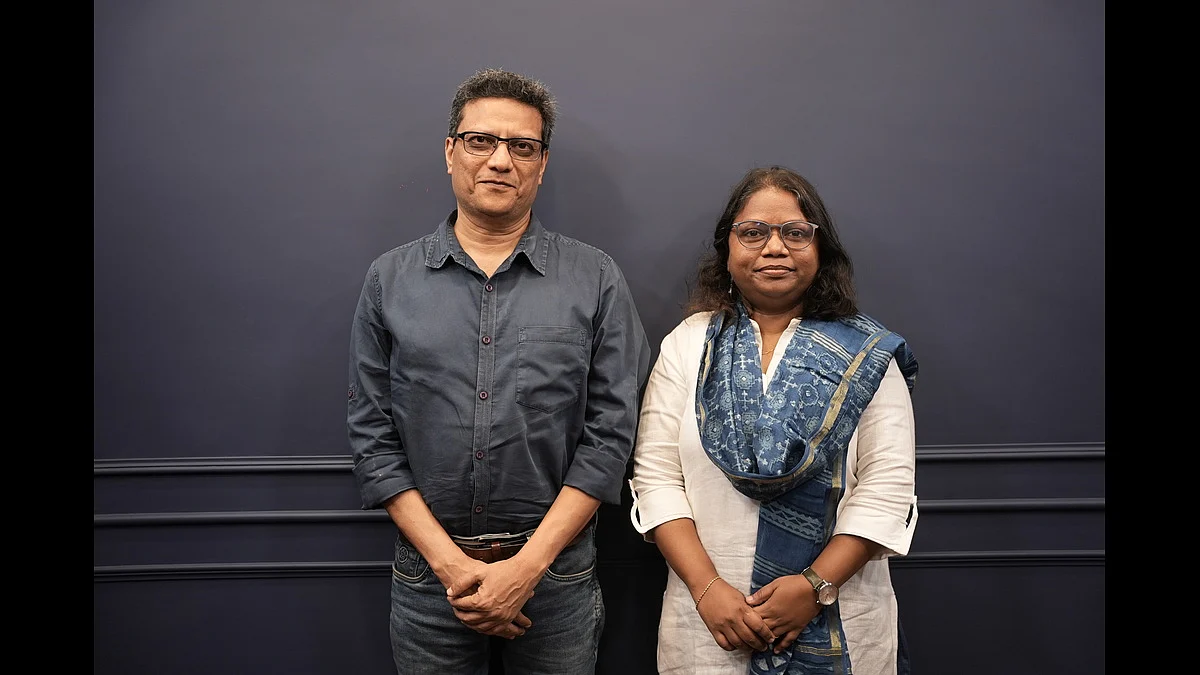
The Urja Trust (UT) was established in 2014 by co-founders Altaf Shaikh and Deepali Vandana after their previous organisation working with homeless women on the streets closed down. UT focuses on providing safe spaces for young women who are experiencing homelessness and gender-based violence. These women often come to UT with a range of backgrounds, such as physical or sexual abuse at home, leaving due to a step-parent's arrival, or escaping from trafficking situations.
UT operates a three-stage shelter programme to assist women in making a safe transition to independent living. The first stage is the crisis shelter, where immediate needs are addressed, including health checks and counselling. Women typically stay at this stage for about 10 to 15 days, or longer if health issues require further attention.
The second stage is the development shelter, where women can stay for six to nine months while focusing on education, livelihood, and stability. They have the opportunity to pursue formal or non-formal education, with support continuing even after they leave the shelter. The final stage is a group home, where residents gradually work towards independent living alongside others who have shared experiences.
Thomas M. Cherian, Managing Director of Essel Mining and Aditya Birla Group, highlights the importance of UT's work, stating that their approach helps prevent trafficking and enables these women to rebuild their lives with dignity. The NGO can be reached at 9819806266.
Written by urgent.news from Free Press Journal's reporting — not their text. Machine-written — may contain errors; check the original before relying on it.