Pacific island states are trapped in Cold War 2.0
In early July, China fired a test missile from a nuclear submarine into the South Pacific for the first time, a weapon capable of carrying nuclear warheads. Washington and Canberra were livid. The Pacific has long been the exclusive testing ground for such long-range missiles from the United States. How dare China! The reaction from Pacific island states was more measured. While leaders from…
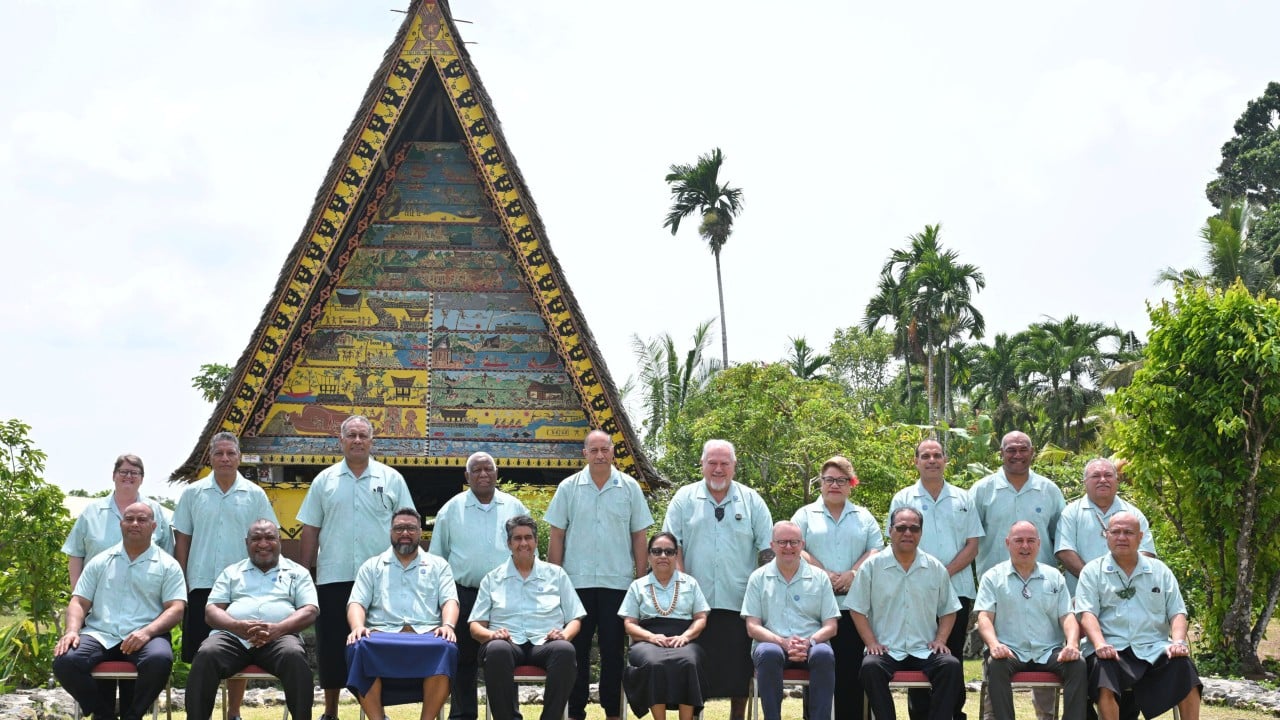
Pacific island nations find themselves ensnared in a new era of international tension, often likened to a Cold War 2.0. In July, China conducted its first test of a nuclear-capable submarine-launched missile in the South Pacific, a development that drew sharp condemnation from Washington and Canberra. The Pacific Islands Forum, a coalition of 18 island states, initially struggled to coalesce in its criticism of the test, with some member nations like Kiribati and Nauru reportedly refusing to voice dissent.
Despite these divisions, the forum ultimately released a statement expressing concern over the missile test, though China was not specifically named. The US, however, has a history of testing long-range missiles in the Pacific, with at least 15 such tests conducted since 2021. This pattern of behavior has drawn comparisons to the US's nuclear testing in the region during the Cold War, which resulted in significant environmental and health consequences for local populations.
The current geopolitical landscape is characterized by a clear power imbalance, with Australia and New Zealand acting as vassal states to Australia and New Zealand, and the US as the dominant power. This dynamic echoes the colonial relationships of the past, with Australia increasingly resembling a vassal state under its Aukus security alliance with the US and Britain.
Despite this, a recent survey found that 61% of Australians view China as an economic partner rather than a security threat, casting doubt on the validity of the prevailing hawkish stance. Meanwhile, New Zealand's Prime Minister, Helen Clark, has warned that the country's pursuit of security pacts in the Pacific could undermine its longstanding tradition of independent foreign policy.
She argues that the US's commitment to the region is unreliable, citing America's preoccupation with Iran as evidence of overextension. Clark emphasizes the importance of maintaining good engagement and dialogue with China, urging New Zealand to preserve its autonomy rather than becoming a mere pawn in the region's strategic games.
Ultimately, the Pacific islands deserve better than to be caught up in the geopolitical machinations of larger powers, particularly when their ancestors suffered generations of trauma from nuclear testing conducted by those same powers.
Written by urgent.news from South China Morning Post's reporting — not their text. Machine-written — may contain errors; check the original before relying on it.