Ten lions found dead in suspected poisoning at Tanzania safari area
Dodoma: Ten lions have been found dead in Tanzania’s Ngorongoro Conservation Area, a popular destination for safari tourists, with preliminary investigations showing the animals we...
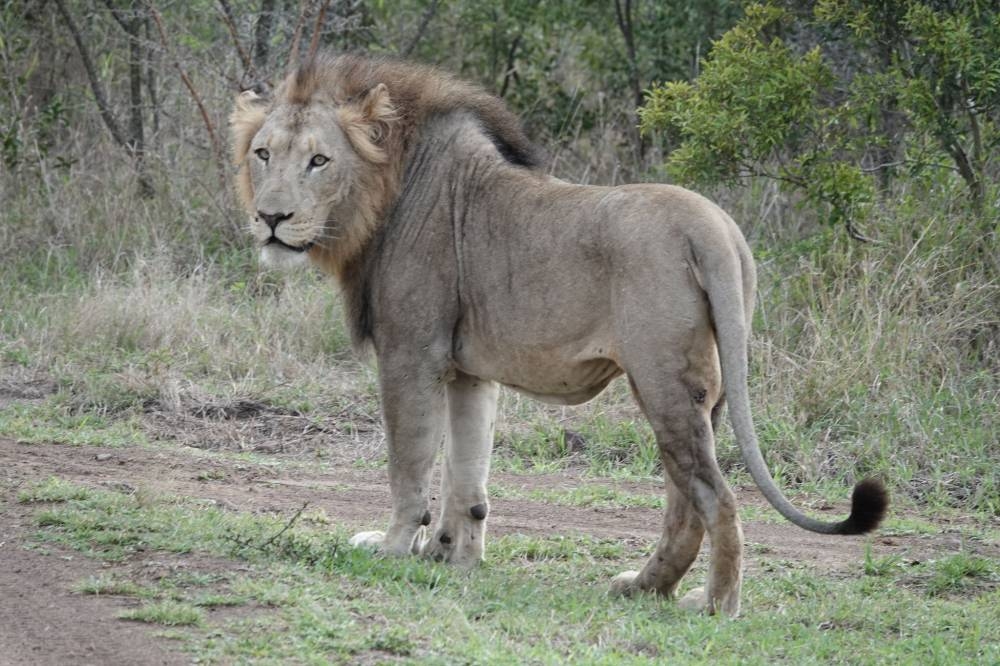
Ten lions have been discovered deceased in a suspected poisoning case at Tanzania's UNESCO-protected Ngorongoro Conservation Area, according to government officials. The Ngorongoro Conservation Area Authority (NCAA) announced the tragic discovery on Saturday, noting that the lions succumbed to poisoning. An ongoing expert investigation aims to determine the cause of the incident and identify those responsible.
The Ngorongoro area has witnessed ongoing tensions between authorities and a local nomadic community, with deadly clashes occurring since the government initiated an eviction program in 2022. Tanzania contends that population growth is encroaching on wildlife habitats, as the population in Ngorongoro has surged from around 8,000 in 1959 to over 100,000.
In recent months, at least 20 elephants in Kenya's Amboseli ecosystem, near the Tanzanian border, have reportedly died from suspected pesticide poisoning, though authorities have yet to determine whether the deaths were accidental or intentional. Four suspects linked to the incident have been detained for questioning. Tourism and Wildlife Cabinet Secretary Rebecca Miano stated that the first 15 elephant deaths occurred between June 24 and July 24, 2026, leading to a comprehensive multi-agency investigation.
Preliminary laboratory results suggest the involvement of a toxic substance, possibly cyanide, linked to pesticide-contaminated tomatoes from nearby farms. The investigation has resulted in the arrest of four individuals, while another suspect remains at large. Recovered materials, some unlabelled and potentially toxic, are undergoing scientific analysis.
Miano emphasized that arrests and substance recovery alone do not establish criminal responsibility, stating that any person found guilty of unlawfully killing, poisoning, or harming wildlife will face prosecution under Tanzanian law.
Written by urgent.news from KahawaTungu's reporting — not their text. Machine-written — may contain errors; check the original before relying on it.
This story
This is one outlet's version. Read the fullest account.