Two State Elections: Will Extremists on the Right and the Left Win Today?
A total of 3.8 million people are eligible to vote today, in the federal states of Berlin and Mecklenburg-Hither Pomerania. In both states, extremists are strong, but democratic parties and candidates do have a chance.
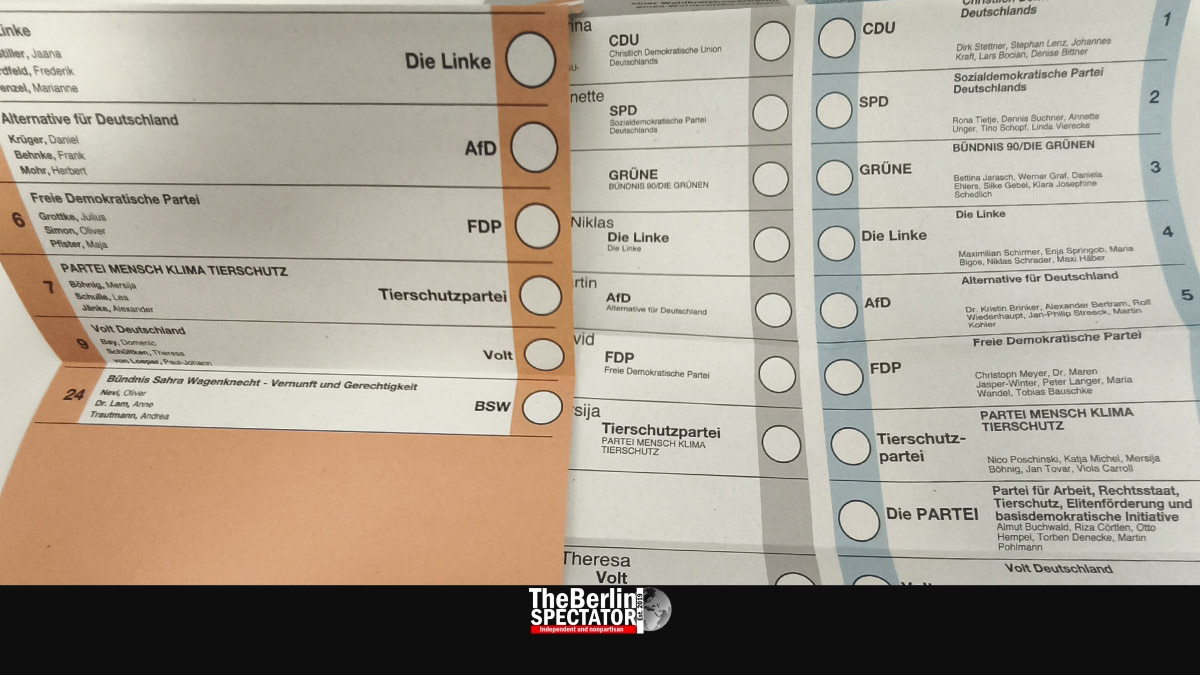
In Mecklenburg-Hither Pomerania, a close election battle between the centrist SPD and the far-right AfD party is approaching its conclusion. The final outcome will determine if Eastern German states can maintain a democratic government. Recently, Mecklenburg’s Minister President, Manuela Schwesig, has been seen displaying strong determination.
According to recent polls, the SPD has even managed to take the lead over the AfD, by just one percent. Not too long ago, the SPD's prospects appeared bleak. The AfD is composed of individuals who back Vladimir Putin, accept Nazis within their ranks, and advocate for Germany to leave both the European Union and NATO. They sent their co-chair, Alice Weidel, to Schwerin, where she shouted, "Who is Manuela Schwesig?" and accused her of supporting federal government policies during the Covid crisis.
Weidel's party also denies the positive impact of Covid vaccines, a stance shared by other extremist far-right parties in Europe and North America. Schwesig utilized the final hours of her campaign to persuade voters about the potential damage that the AfD's extremist policies could cause to Mecklenburg-Hither Pomerania, urging the state's 1.3 million eligible voters to support her.
In Berlin, the political landscape is different, featuring the far-left "Die Linke" party. This party aims to abolish the Office for the Protection of the Constitution, an entity investigating some of its members, harbors terrorism supporters, and has been involved in antisemitism scandals. The party has also proposed radical policies such as cutting police funding and seizing real estate companies, should they win the next government coalition.
Despite these radical proposals, "Die Linke" appears to be one of the strongest parties in Berlin, as indicated by the latest polls. The conservative CDU also has a chance of becoming the most influential party, potentially forming a coalition with the Greens and the Social Democrats, two center-left parties that are considering collaborating with "Die Linke," despite its extremist tendencies.
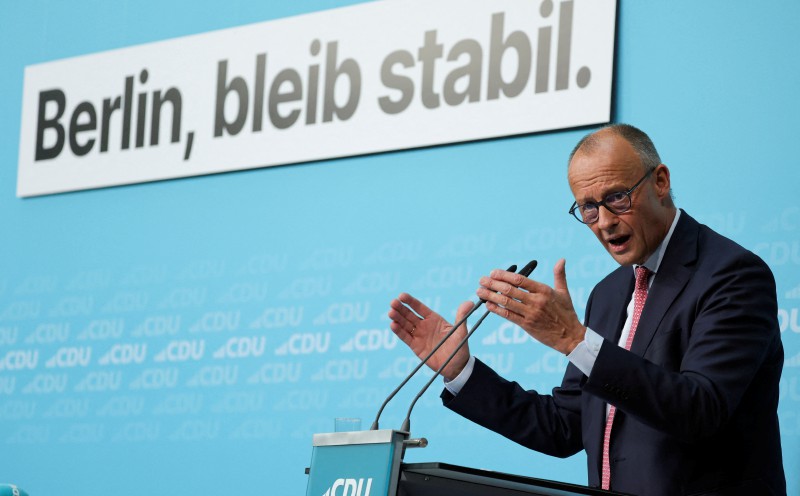
Berlin's 2.5 million eligible voters are focusing on housing issues, one of the most pressing concerns affecting many residents. The AfD remains a significant force in Berlin but does not enjoy as much support as in other Eastern German states, with no chance of participating in the upcoming government. The election results in Berlin and Mecklenburg-Hither Pomerania could have implications for Chancellor Friedrich Merz' political career, as discussions about changing the head of government are already taking place within his own CDU party.
Both states will have polling stations open from 8:00 a.m. to 6:00 p.m. CEST, with the first predictions from The Berlin Spectator expected at 6:01 p.m., followed by the initial results shortly after.
Written by urgent.news from The Berlin Spectator's reporting — not their text. Machine-written — may contain errors; check the original before relying on it.