Merz under pressure as two more German states go to the polls
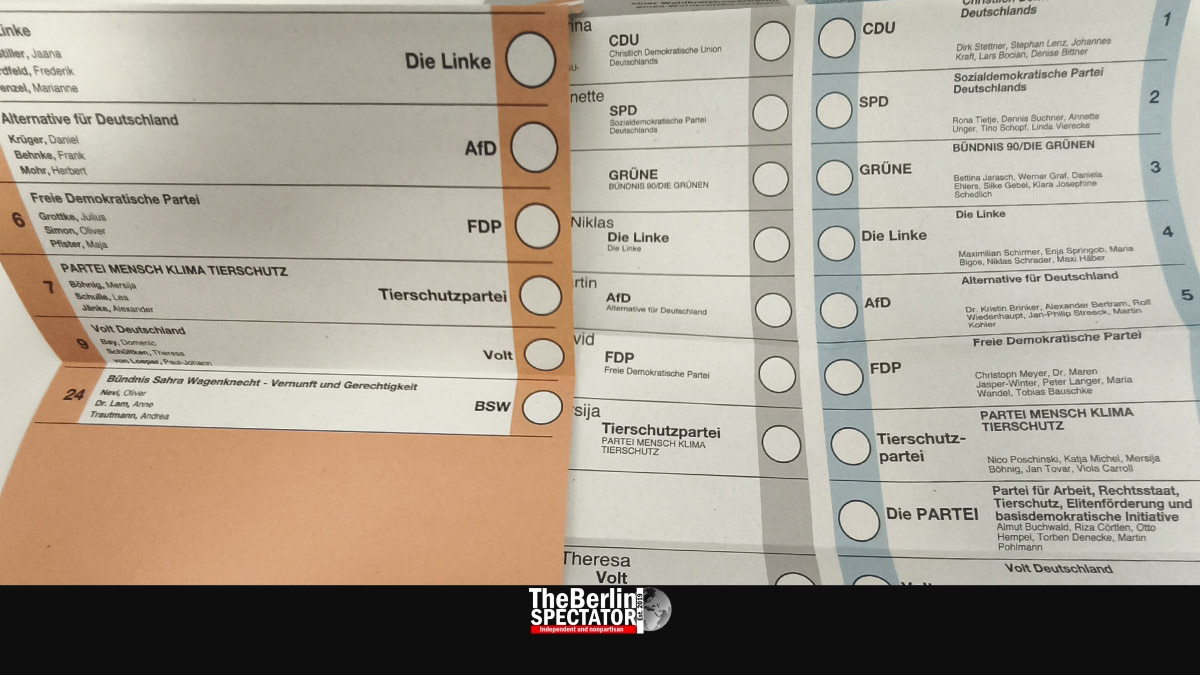
BERLIN: German voters go to the polls on Sunday in two state elections that look likely to heap more pressure on struggling Chancellor Friedrich Merz, whose future has been in the balance since the far right’s triumph in another regional vote this month.
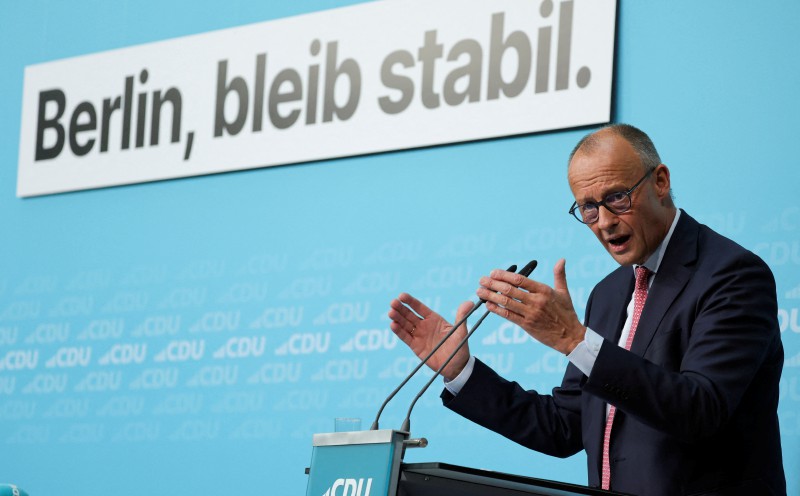
German voters go to the polls on Sunday in two state elections that may intensify pressure on Chancellor Friedrich Merz, whose future has been uncertain since the far right Alternative for Germany (AfD) won a regional vote recently. The elections in Mecklenburg-Western Pomerania, a predominantly rural state in the former communist east, and Berlin take place following the September 6 election in Saxony-Anhalt, where the AfD came close to securing an absolute majority.
While regional elections are typically uneventful, the AfD's success in Saxony-Anhalt has caused alarm in Europe. Over the past decade, the party, advocating for strict immigration policies, energy ties with Russia, and exit from the euro, has shifted from a fringe eurosceptic group to the most popular political party.
Opinion polls suggest the AfD may not regain its Saxony-Anhalt victory in either of Sunday's elections. However, both are anticipated to highlight the party's rapid growth and raise questions about the 'firewall' strategy, in which other parties avoid forming coalitions with the AfD. Chancellor Merz's popularity has plummeted, with some polls indicating as low as 14 percent approval ratings. This has raised doubts within his conservative Christian Democratic Union party about his ability to lead.
In Mecklenburg-Western Pomerania, the CDU might face its worst-ever election result, with a recent poll putting them at just six percent - close to the minimum threshold for entering the state parliament. Merz, who took office last year with a promise of economic reforms, has faced challenges in winning voter trust, despite unpopular pension, tax, and healthcare changes. His communication mistakes and gaffes have further contributed to public disillusionment.
Merz's CDU members have supported him for now, as replacing the chancellor would be constitutionally difficult. However, the economic troubles persist, and voters in both Mecklenburg-Western Pomerania and Berlin have been preoccupied with rising costs, such as energy and housing prices. Merz's government has presented a relief package including tax cuts on gas and diesel to address fuel price surges, which have hit Mecklenburg-Western Pomerania hard.
Recent polls show a narrowing race in Mecklenburg-Western Pomerania, with the SPD and AfD in a tight contest, while the Left Party and Greens are in contention for potential coalition partners. In Berlin, the Left Party has overtaken the CDU, threatening the conservative hold on the mayor's office in a campaign centered on housing affordability.
Written by urgent.news from New Straits Times's reporting — not their text. Machine-written — may contain errors; check the original before relying on it.
This story
This is one outlet's version. Read the fullest account.
- German state elections threaten new shock waves for Merz freemalaysiatoday.com
- Merz under pressure as two more German states go to the polls brecorder.com