Dust and Marine Halogens Team Up to Destroy Tropospheric Ozone
Mineral dust-activated halogen chemistry is an important yet under-studied natural sink of the tropospheric ozone with implications for the Earth’s oxidative balance, crop yields, and human health.
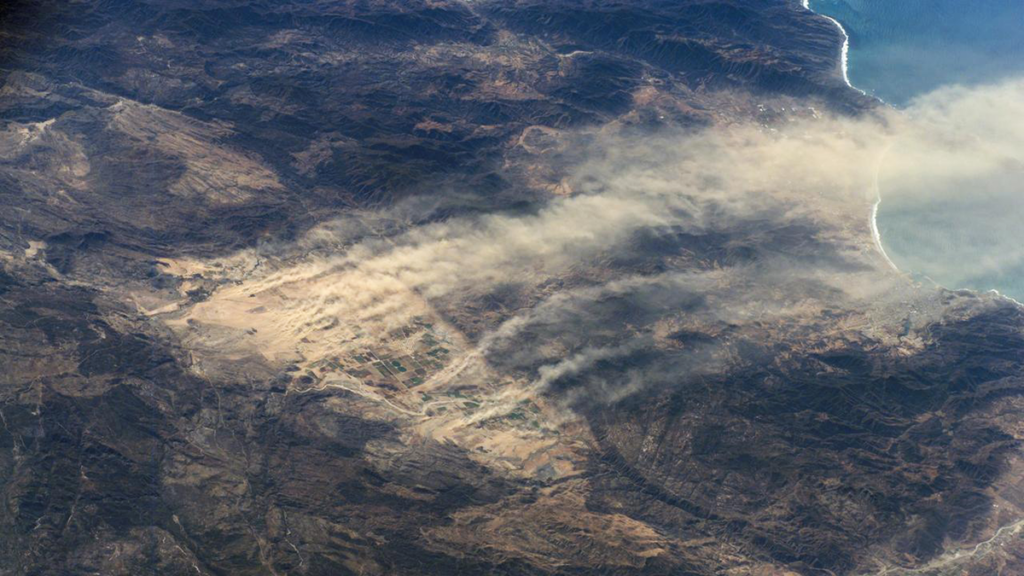
A recent study has revealed that dust and marine halogens, such as chlorine and iodine, work together to significantly reduce tropospheric ozone levels. These pollutants, originating from different sources, can travel long distances and pose serious threats to human health, climate, and agriculture. While scientists have known that mineral dust can absorb ozone, current global models have not been able to fully explain the observed ozone reductions in dust-influenced regions.
To address this gap, Meidan et al. [2026] utilized a global chemistry-climate model that explicitly accounts for the release of halogens from dust particles in the marine atmosphere. Their research shows that this dust-catalyzed chemistry leads to substantial ozone reductions over marine regions, closely aligning with real-world observations of dust-induced ozone loss.
Interestingly, this natural process of ozone reduction also yields positive impacts far from the dust sources, enhancing crop production in major agricultural regions and decreasing ozone-related mortality in densely populated areas, such as South Asia.
As climate change is anticipated to expand desert regions and increase global dust emissions, the natural ozone-destroying mechanism introduced by dust and marine halogens has the potential to significantly influence future tropospheric ozone levels.
Written by urgent.news from Eos's reporting — not their text. Machine-written — may contain errors; check the original before relying on it.