Scientists develop new method for deciphering ancient scrolls
Even a handheld XRF scanner is sufficient to determine most promising scrolls for further analysis.
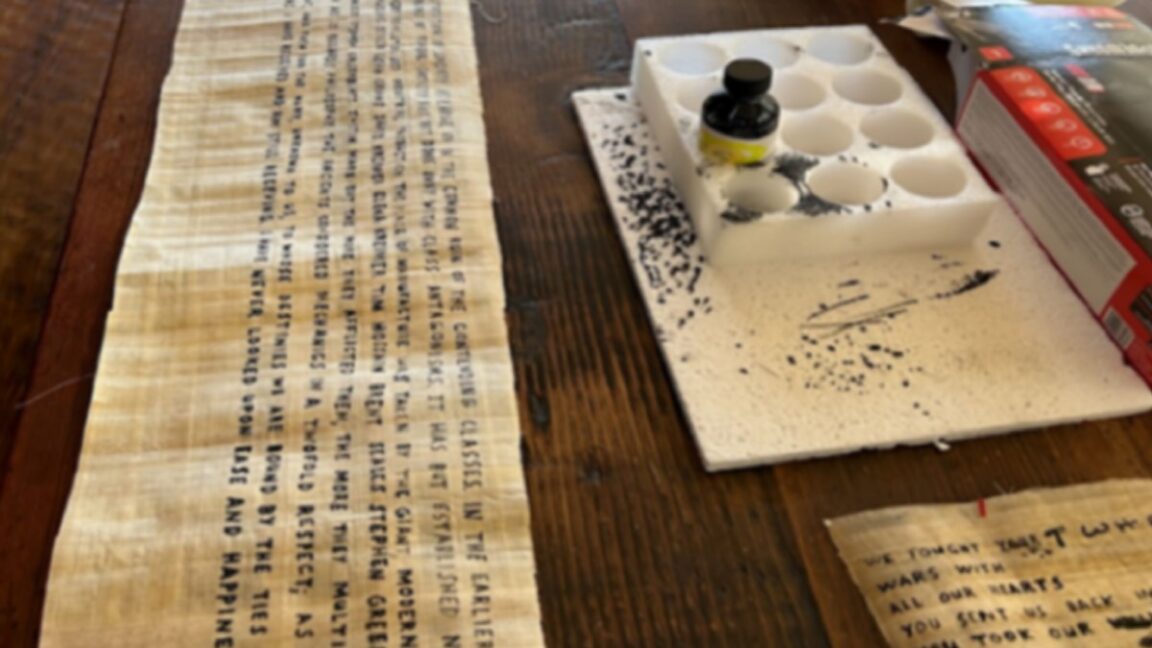
The Vesuvius Challenge, a project merging digital unwrapping with crowdsourced machine learning, aims to decipher ancient scrolls known as the Herculaneum scrolls. These 2,000-year-old papyri are so fragile that they cannot be physically unrolled. The initiative recently received support from a team of researchers who developed contemporary model papyrus scrolls.
By charing them in a manner similar to the originals, they validated a screening method to identify scrolls written in lead-based ink. This method is deemed crucial as these scrolls are the most promising candidates for further analysis. The ancient Roman resort town of Pompeii, along with Herculaneum, was destroyed by the eruption of Mount Vesuvius in 79 AD.
However, remnants of Roman wealth, such as a palatial residence in Herculaneum, survived. This residence, believed to have belonged to a man named Piso, contained hundreds of ancient scrolls made from papyrus, which were charred by volcanic gas. These scrolls were buried under volcanic mud until they were excavated in the 1700s.
The few opened fragments have helped scholars identify various Greek philosophical texts and a handful of Latin works. However, the over 600 rolled-up scrolls were considered unreadable due to their fragility.
Written by urgent.news from Ars Technica Science's reporting — not their text. Machine-written — may contain errors; check the original before relying on it.
Also reported by 1 other outlet
- Scientists develop new method for deciphering ancient scrolls arstechnica.com