‘A good way to die’: triumph and tragedy among dispersing African wild dogs
In mid-2025, a trio of male African wild dogs headed east through the open woodlands of Kafue National Park in west-central Zambia, away from the pack they’d grown up in. Roughly two weeks earlier, four of their sisters had also left the pack. One dog in each of the groups was wearing a GPS collar […]
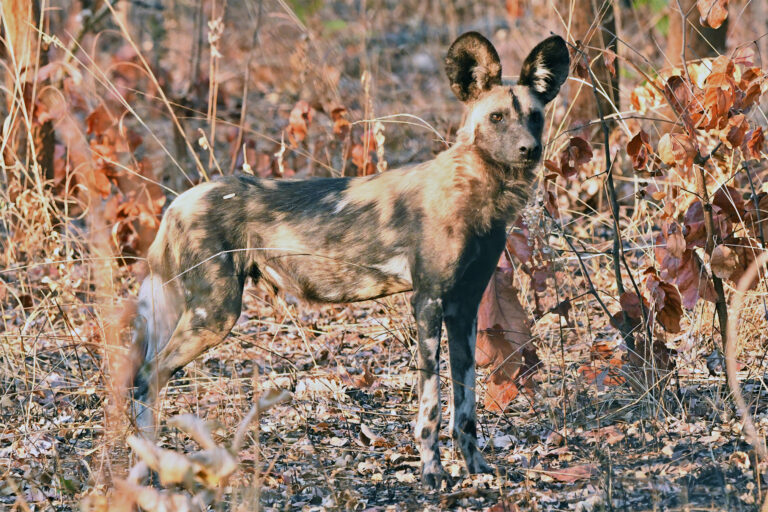
In mid-2025, a pair of male African wild dogs ventured east through the open woodlands of Kafue National Park in west-central Zambia. Two weeks prior, four of their female siblings had also left the pack. One member of each group wore a GPS collar, monitored by researchers from the Zambian Carnivore Programme and other organizations.
The tracking data revealed that the females headed north into a game management area, a partially protected buffer zone adjacent to the park. However, their brothers, known as the Mayukuyuku males, entered an unprotected area east of Kafue and then turned northward toward the cities of Kitwe and Ndola. This behavior of dispersing wild dogs, typically occurring around the age of 3, is both a triumph and tragedy.
As ecologist Scott Creel of Montana State University explained, "A good way to die, if you're an African wild dog, is to leave your pack." Conversely, "A good way to never reproduce is to stay in your pack." While the alternative to leaving the pack is also grim, the risks associated with dispersal are significant, as demonstrated by these two dispersing groups of African wild dogs.
Written by urgent.news from Mongabay's reporting — not their text. Machine-written — may contain errors; check the original before relying on it.
This story
This is one outlet's version. Read the fullest account.
- Longest African mammal movement recorded by Zambian wild dogs news.mongabay.com
- Three wild dogs have traveled farther than any African mammal science.org