EAST RAND MURDERS: Women in the dark — how broken cities make us unsafe
From Johannesburg’s darkened highways to the unlit streets of Ekurhuleni, we found a landscape of broken streetlights, long grass and abandoned public spaces. But there is a way to turn the lights back on – and make the city safer for women.
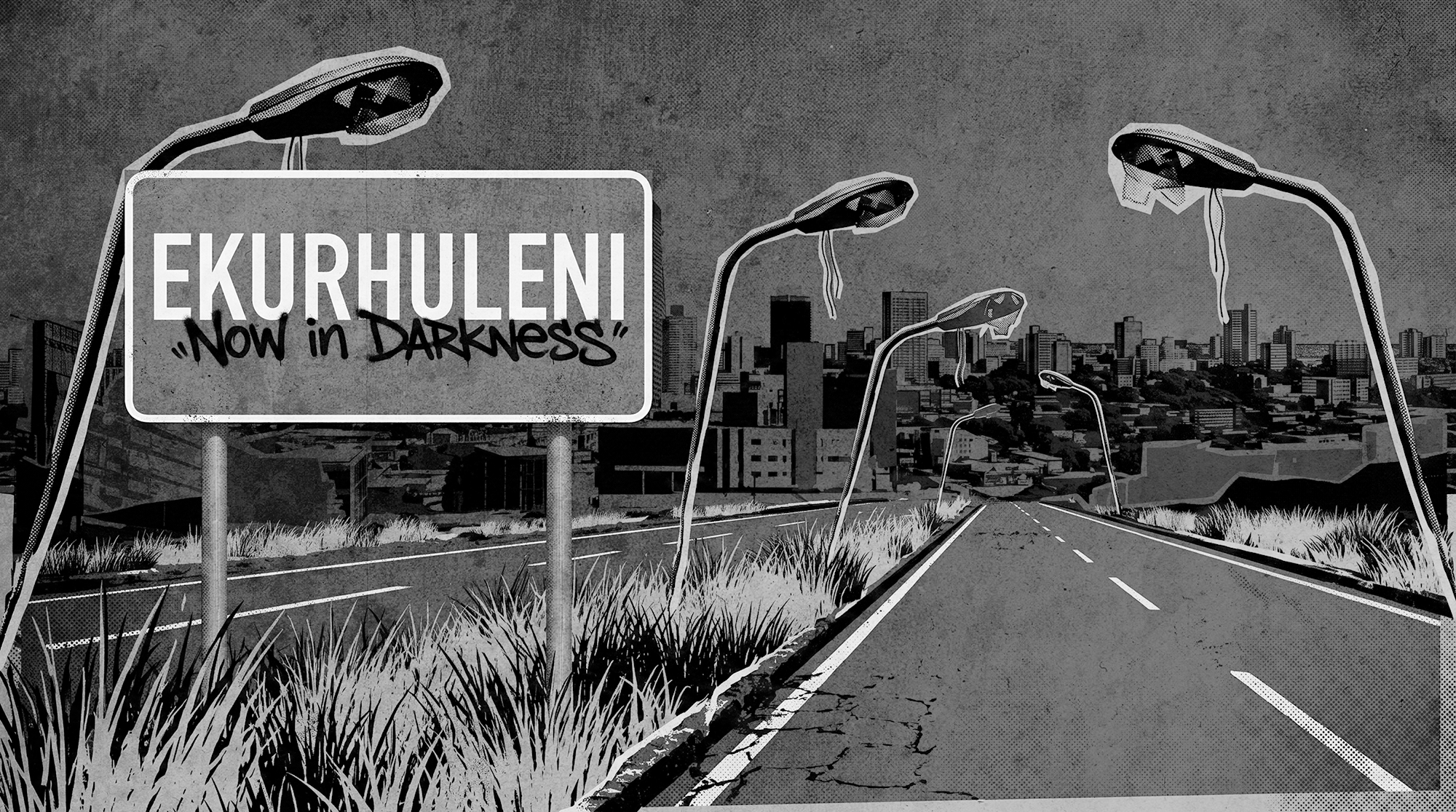
In the darkened urban landscape of Johannesburg and the East Rand, women face significant safety risks while navigating the city's under-paved streets. The recent wave of murders in Ekurhuleni, South Africa, has shed light on the under-reported issue of women's vulnerability at night. The city's infrastructure, which should serve as their first line of protection, is woefully inadequate.
A lack of working streetlights, overgrown grass, abandoned public spaces, and nonexistent police presence create a dangerous environment for women who run, travel, walk, fetch, carry, work, and post after dark. Elizabeth "Tsontso" Moselakgomo, the only identified victim among eight in the past two months, is a symbol of the nation's fury.
Feminist urban safety practitioner Dr Barbara Holtmann argues that the police should take responsibility, while the city must do more in the short term to improve safety. She emphasizes the importance of creating safe cities for women by addressing issues such as lighting, walk paths, openness, visibility, and maintenance. Holtmann calls for collaboration between the police and municipalities to identify and address unsafe areas, while also recognizing the need for long-term strategies to protect women from gender-based violence.
Written by urgent.news from Daily Maverick's reporting — not their text. Machine-written — may contain errors; check the original before relying on it.