Hong Kong mourns Mao Zedong’s death in 1976 – SCMP archive
This article was first published on September 10, 1976. Sense of grief in Hongkong A deep sense of grief was felt by great numbers of the people in Hongkong yesterday (September 9, 1976) when radio and television stations flashed the news of the Chairman’s passing. The news brought a cloud of gloom over celebrations of the mid-autumn festivities. Flags at a number of major building and hotels, –…
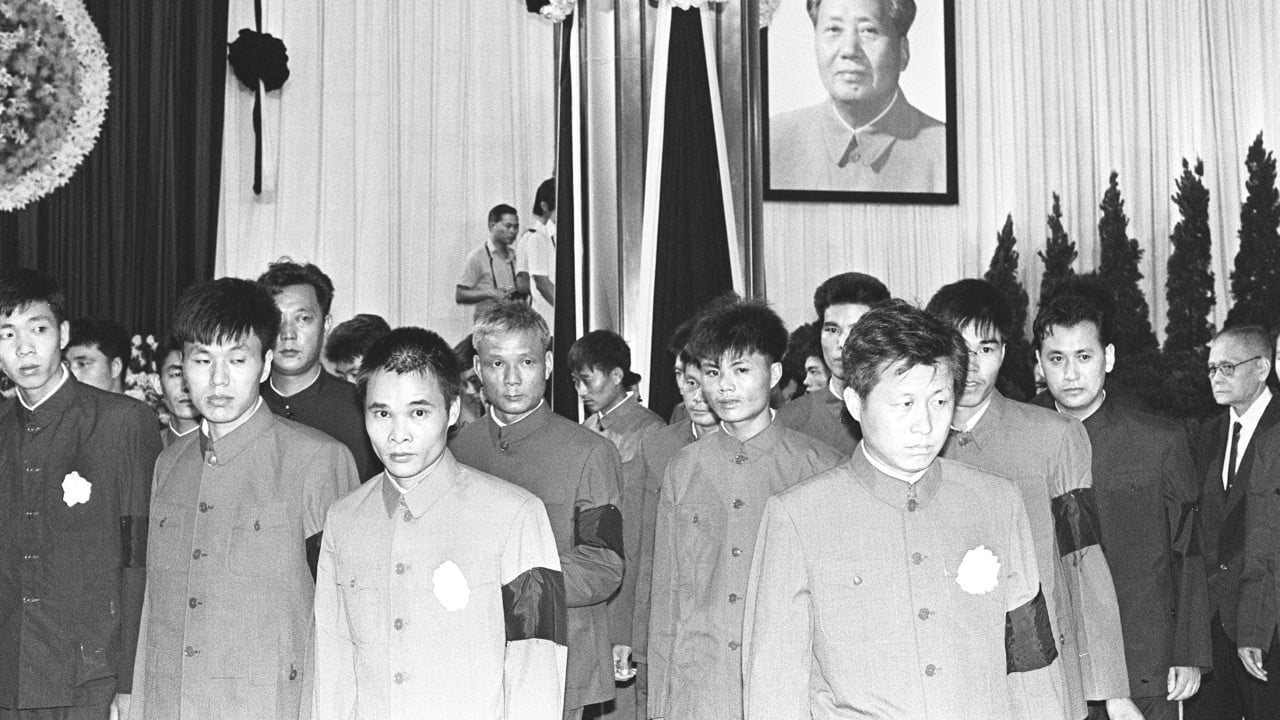
On September 9, 1976, Hong Kong experienced an overwhelming sense of grief as news spread of Mao Zedong's passing. The announcement, carried by Radio Hong Kong and Commercial Radio, sparked a wave of sadness across the city, particularly during the mid-autumn festivities. Flags at prominent buildings and hotels, including the Bank of China, were lowered to half-mast within an hour of the news.
Radio and television stations in Hong Kong broadcast the official announcement from Radio Peking, with the English Channel of Commercial Radio following soon after. Crowds gathered outside television shops, eager to witness further developments.
Hong Kong's academic experts shared differing views on the political implications of Mao's death. Professor P. B. Harris of the University of Hong Kong suggested that the passing marked the beginning of a new era for China, where uncertainty loomed larger than ever before. He acknowledged that Hong Kong had been prepared for the leader's demise for several months, but noted that the impact was less severe than it would have been a year prior.
Political correspondent Tseng Man-kiu, with his 18 years of teaching experience both inside and outside China, expressed confidence that Hong Kong would weather the storm, emphasizing that time would be needed for a clear assessment of the situation once a new leadership emerged.
Foreign diplomats and consuls in Hong Kong also expressed their sorrow over Mao's death. The Deputy Consul-General for Japan, Yoshiyasu Sato, paid tribute to Mao's historical achievements and acknowledged his significant contribution to Chinese history and politics. Consul-General Ayoub Sharara of the United Arab Republic described the loss as a great shock, emphasizing Mao's status as a great genius and friend.
Consul-General Dag Bergman of Sweden highlighted Mao's significant contributions to China, emphasizing that his legacy would remain etched in history. Consul-General Manaspas Xuto of Thailand expressed shock, stating that Mao's health had not shown any signs of deterioration before his passing. Consuls-General from the Netherlands, Pakistan, Canada, India, New Zealand, and Australia all conveyed their condolences and admiration for Mao's leadership, calling his passing a great loss to the Chinese people and the world at large.
Written by urgent.news from Reuters Business via SCMP's reporting — not their text. Machine-written — may contain errors; check the original before relying on it.